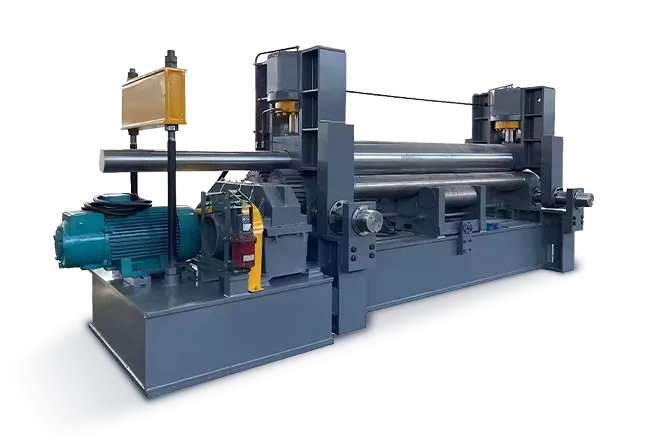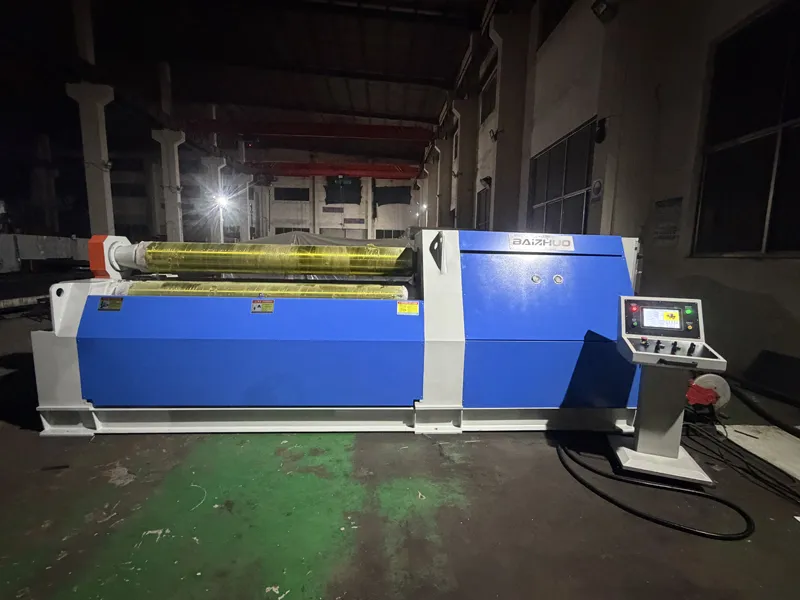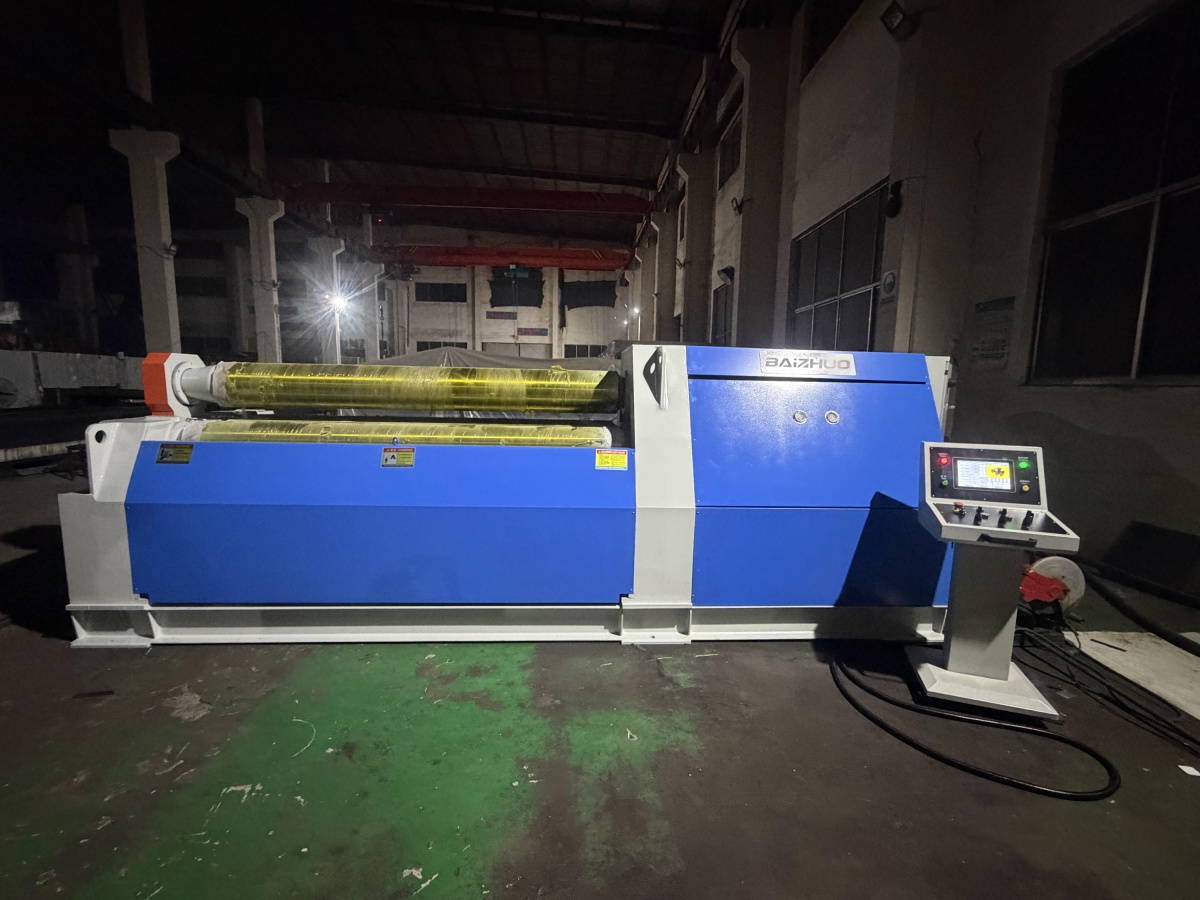
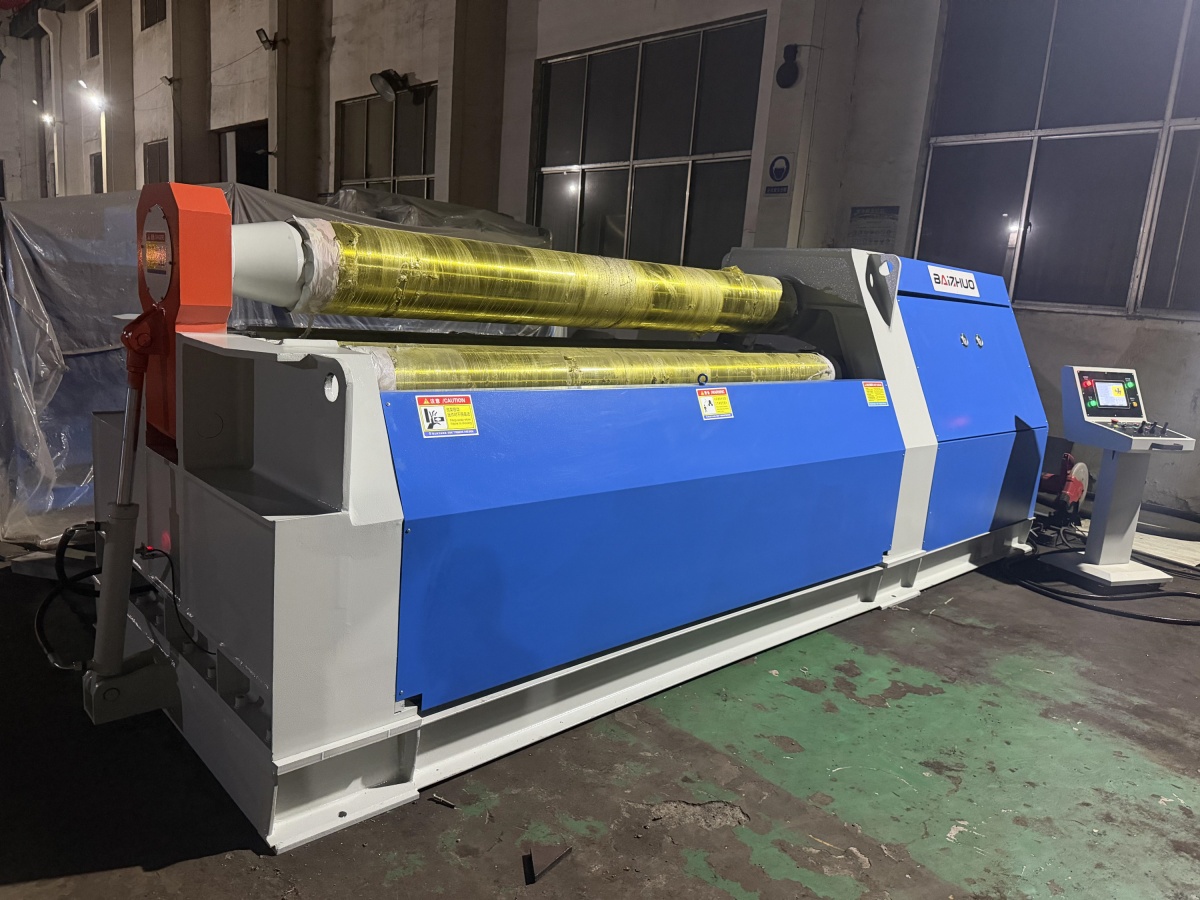
As industries such as pressure vessel manufacturing, steel structure construction, shipbuilding, wind energy, and storage tank production continue to expand, the demand for high-precision plate rolling equipment is growing rapidly. Choosing the right 4-roll plate rolling machine can significantly improve production efficiency, reduce material waste, and ensure consistent rolling quality.
This guide explains the key factors every buyer should consider before investing in a 4-roll plate rolling machine.
Why Choose a 4-Roll Plate Rolling Machine?
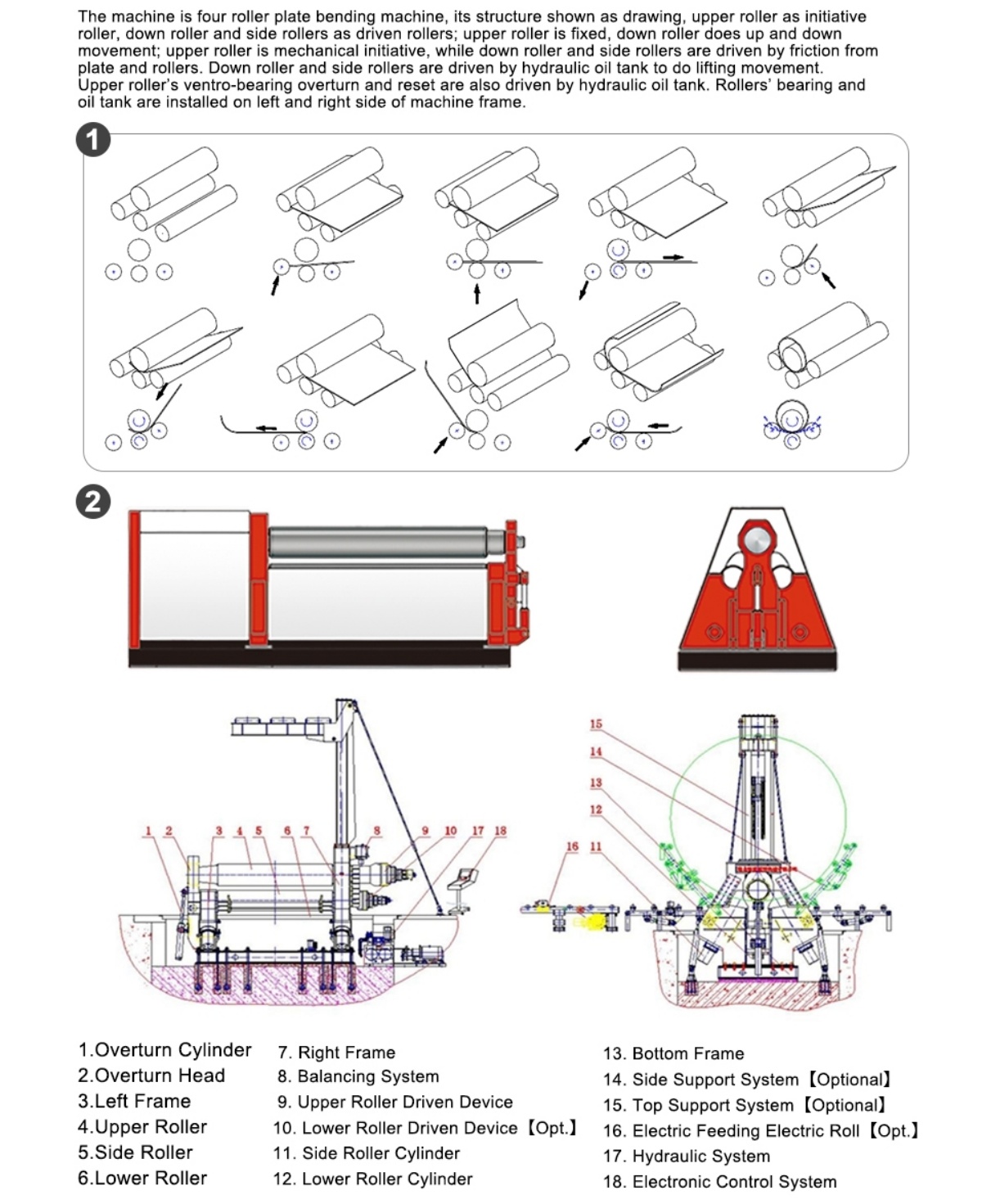
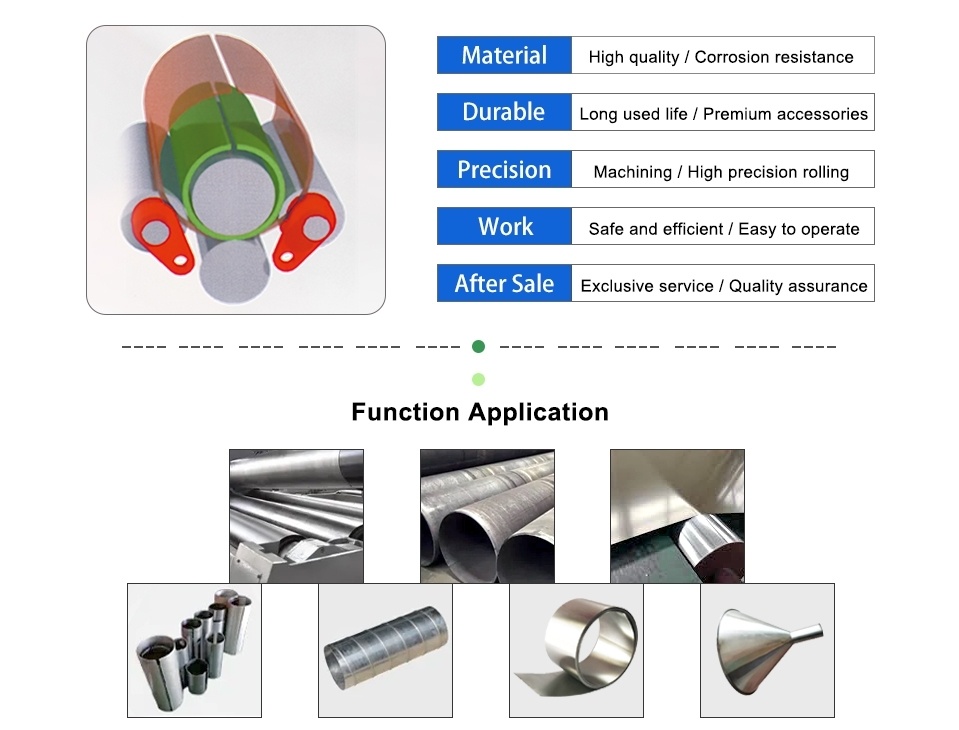
Compared with traditional 3-roll plate rolling machines, 4-roll machines offer several advantages:
Because the plate remains clamped throughout the rolling process, operators can achieve more consistent results while reducing setup time.
Key Factors to Consider Before Purchasing
1. Plate Thickness
Plate thickness is one of the most important factors when selecting a rolling machine.
Typical applications include:
Always select a machine with sufficient capacity to handle your maximum material thickness while maintaining a safety margin for future projects.
2. Plate Width
The effective working length of the machine should exceed the maximum width of the material you process.
Common working lengths include:
2000 mm
2500 mm
3200 mm
4000 mm
6000 mm
Wider plates require stronger machine frames and larger roller diameters to maintain rolling accuracy.
3. Material Yield Strength
The hydraulic clamping force and rolling capacity required for standard structural carbon steel, such as Q235 or ASTM A36 (yield strength approximately 235 MPa), are significantly lower than those required for high-strength alloy steels, stainless steels, or pressure vessel plates such as Q345B, Hardox wear-resistant steel, and 316L stainless steel.
Materials with higher yield strength generate greater springback during the rolling process. Therefore, the machine should be equipped with:
These features ensure accurate forming and stable machine performance even when processing demanding materials.
4. Width-to-Diameter Ratio
The relationship between plate width and rolling diameter plays an important role in machine selection.
When rolling a very wide plate into a small-diameter cylinder, roller deflection becomes a critical factor. Excessive roller deformation can affect:
Roundness
Parallelism
Dimensional accuracy
To achieve superior rolling performance, especially for wide plates and small diameters, buyers should choose machines featuring:
High-rigidity machine frames
Large-diameter rollers
Deflection compensation systems
Precision-machined components
These features help minimize mechanical deformation and maintain consistent rolling quality.
5. Hydraulic System Quality
The hydraulic system directly affects machine stability, rolling force, and service life.
A high-quality 4-roll plate rolling machine should include:
A robust hydraulic system ensures smooth operation and accurate plate positioning.
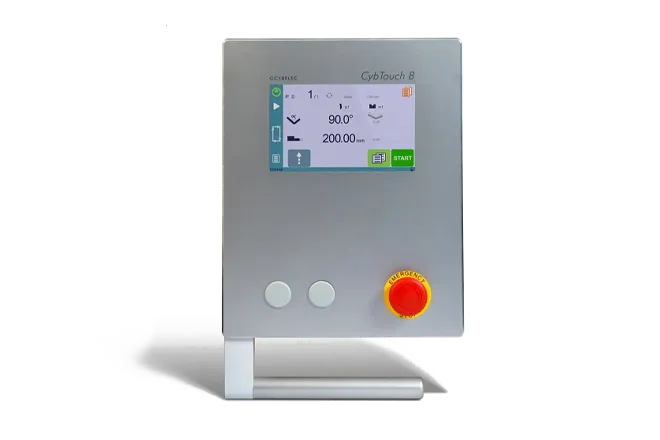
6. CNC Control Options
Modern CNC plate rolling machines offer significant advantages over conventional machines.
Benefits include:
For manufacturers handling large production volumes, CNC control systems can significantly improve efficiency and consistency.
7. Future Production Requirements
When investing in a plate rolling machine, it is important to consider future business growth.
Questions to ask include:
Will thicker materials be processed in the future?
Will larger diameter cylinders be required?
Is automation planned for future production lines?
Choosing a machine with expansion capability can provide long-term value and reduce future equipment replacement costs.
Why Choose BAIZHUO 4-Roll Plate Rolling Machines?
BAIZHUO CNC specializes in sheet metal forming equipment and provides advanced plate rolling solutions for customers worldwide.
Our advantages include:
Heavy-duty welded steel construction
High-precision roller machining
Advanced hydraulic systems
CNC control options
CE-compliant manufacturing standards
Professional technical support
BAIZHUO plate rolling machines are widely used in:
Pressure vessel manufacturing
Steel structure fabrication
Wind power equipment
Shipbuilding industry
Storage tank production
Industrial metal fabrication
Conclusion
Selecting the right 4-roll plate rolling machine requires careful evaluation of plate thickness, material type, yield strength, plate width, rolling diameter, hydraulic system quality, and future production needs.
A properly configured machine will improve efficiency, enhance rolling accuracy, and provide long-term reliability for your fabrication business.
If you are looking for a reliable and cost-effective plate rolling solution, BAIZHUO CNC can provide customized machines tailored to your production requirements.

 English