
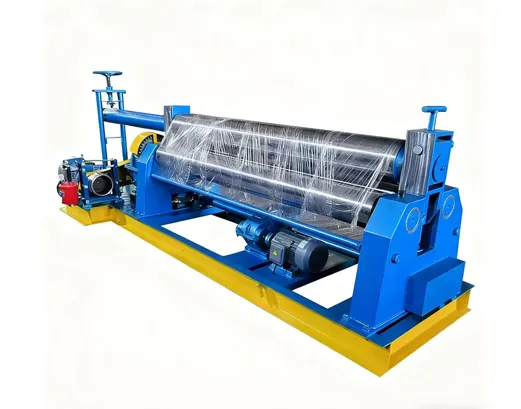
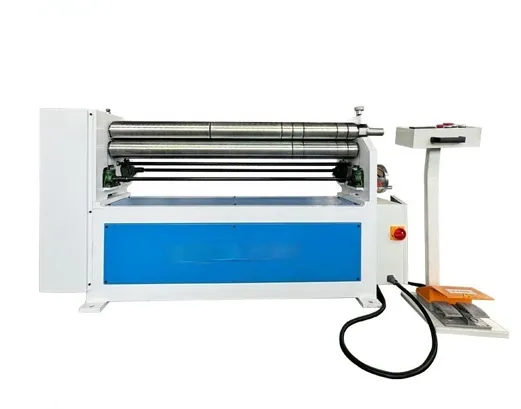
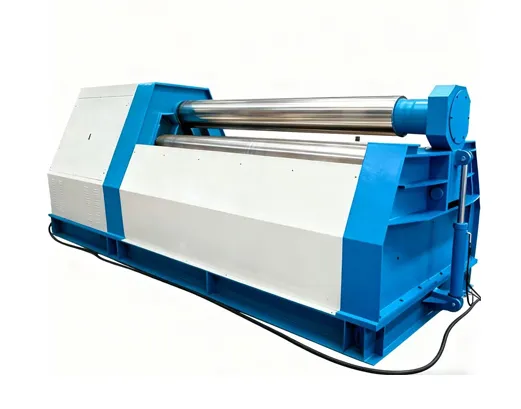

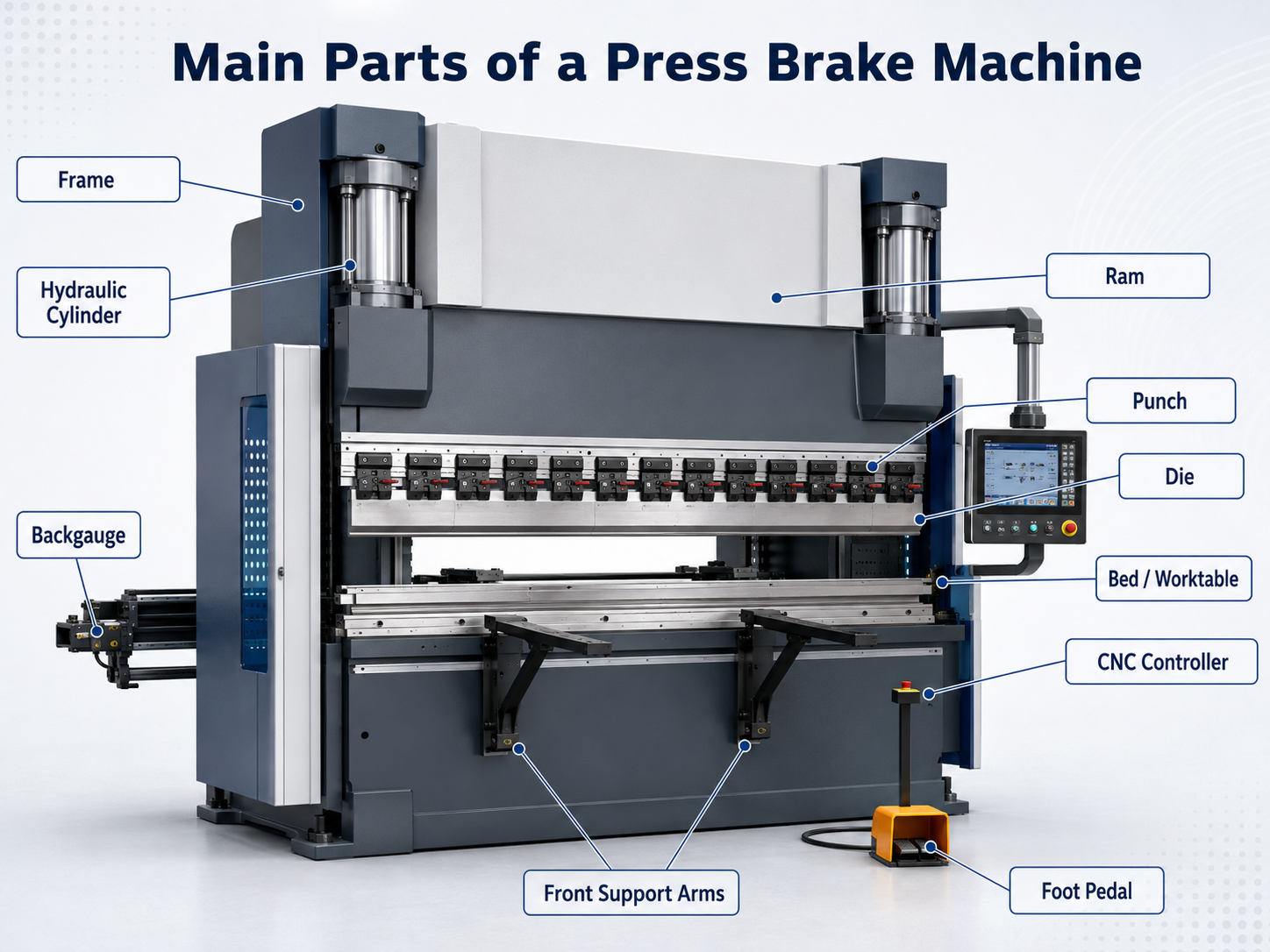
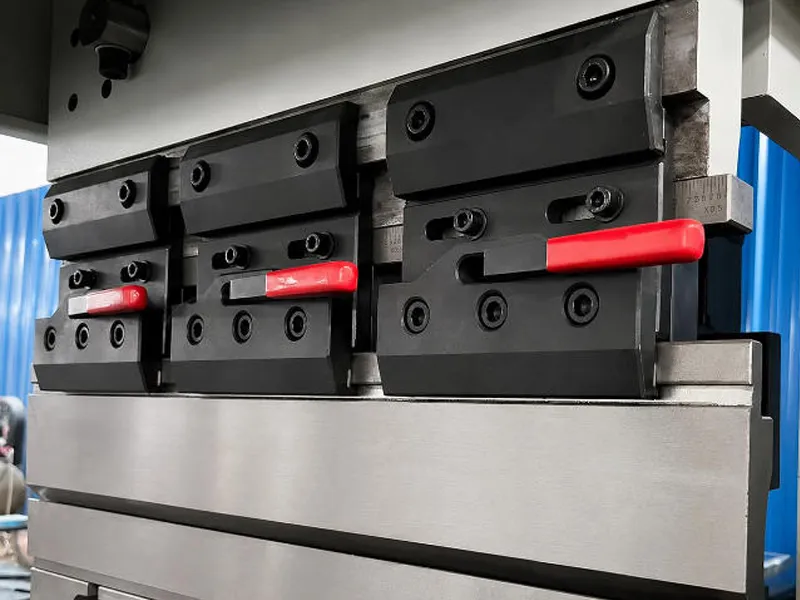

The metal plate is positioned on the machine’s working table. Correct alignment is crucial to ensure a uniform bend.
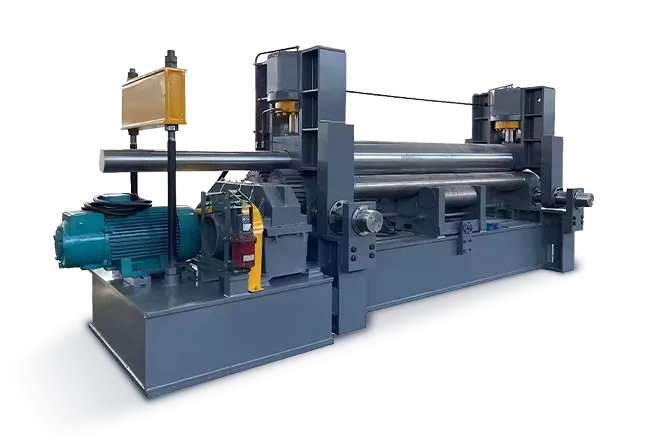
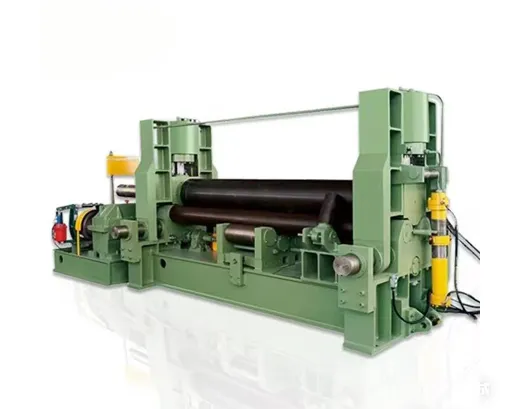
The hydraulic cylinder raises the top roll to press the plate against the bottom rolls, initiating plastic deformation.
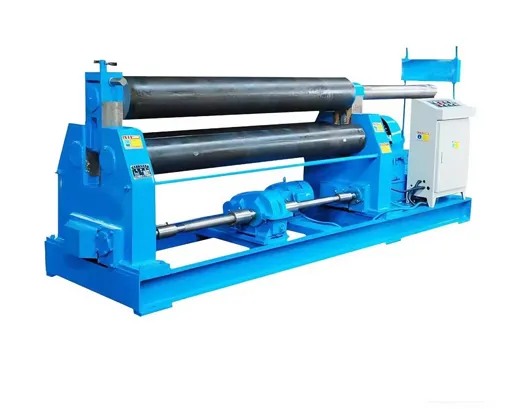
The bottom and side rolls rotate under hydraulic drive to exert torque and guide the direction and radius of the bend. Side rolls, often adjustable in inclination, are used to pre-bend plate ends and minimize straight edges.
As the rolls continue to operate, the plate gradually takes on the desired shape—whether circular, conical, or curved.
After bending, the machine's hydraulic system actuates the unloading device, allowing easy removal of the formed workpiece.
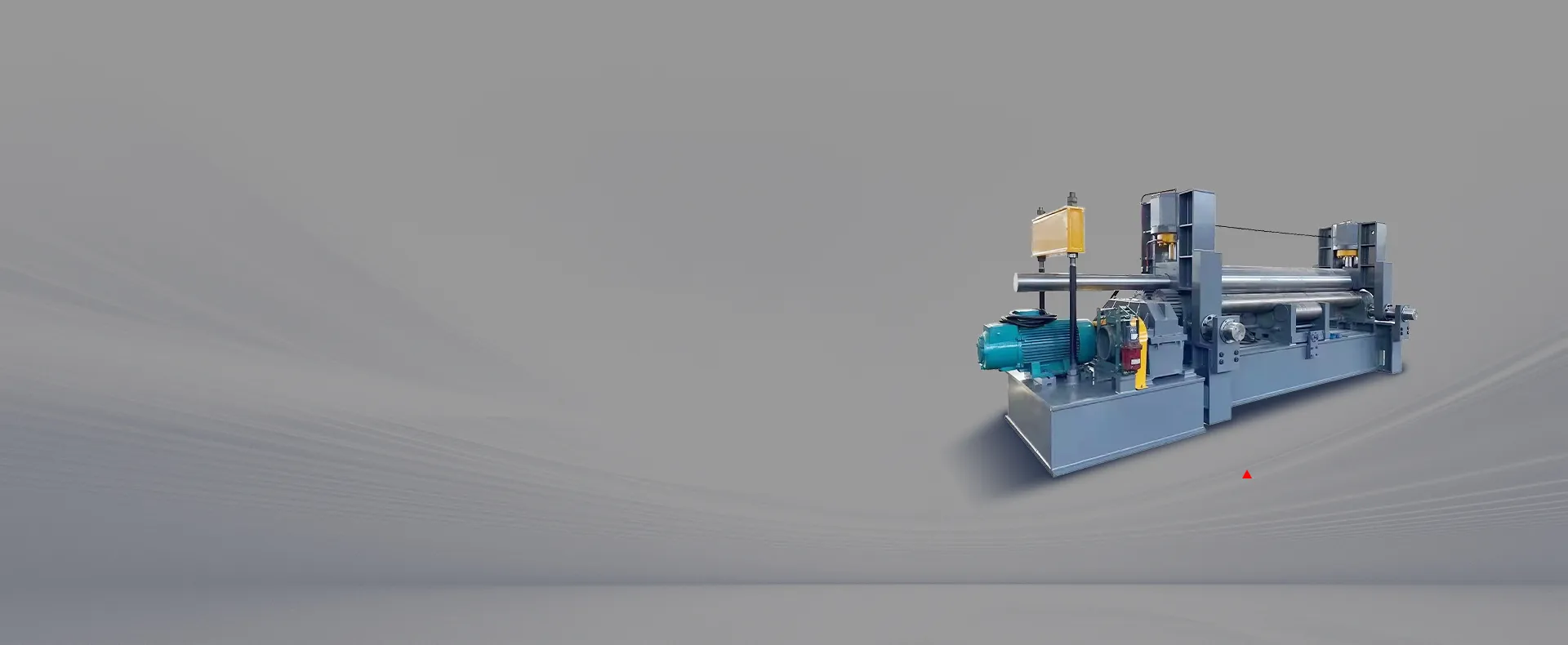
At the heart of a hydraulic plate rolling machine is its robust hydraulic system. Using hydraulic pumps and cylinders, the system drives the vertical movement of the top roll to exert pressure on the metal plate. This setup ensures a stable, powerful, and consistent bending force, delivering high precision and repeatability throughout the forming process.
Equipped with advanced digital control systems (CNC or TNC), hydraulic plate rolling machines allow precise positioning and pressure control of each roll. 4-roll machines, in particular, are known to boost production efficiency by 50%–80% over 3-roll systems and can often complete a part in a single pass, reducing secondary processing.
These machines are highly versatile and can handle a broad range of plate thicknesses and materials, including carbon steel, stainless steel, and aluminum alloys. Depending on the model, machines can be tailored to specific production needs—ranging from cost-effective NC models to fully automated CNC solutions.
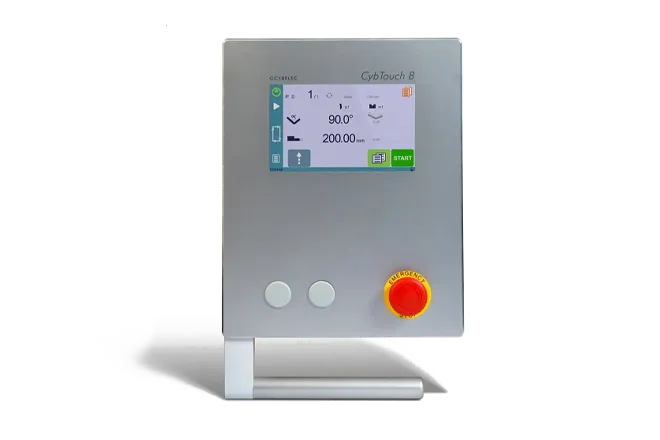
Modern hydraulic plate rollers feature intuitive human-machine interfaces (HMI) with touchscreen controls, making operation more straightforward and reducing the learning curve. Many models also integrate automatic lubrication and self-leveling systems to enhance machine reliability and longevity.
High-end models are often equipped with NC or CNC systems that enable fully automated operation. This minimizes manual intervention, streamlines the bending process, and ensures consistent quality across large production runs.