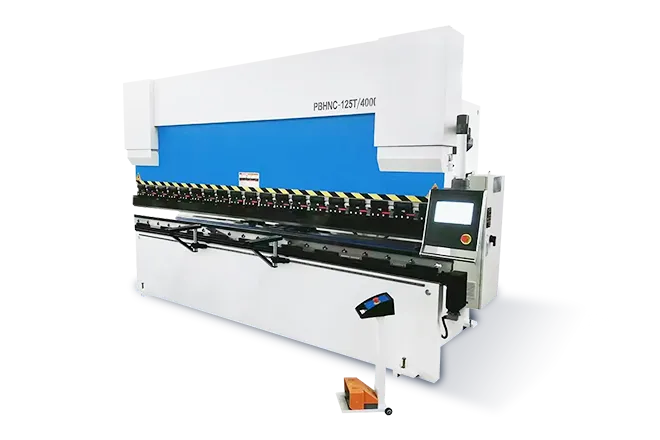
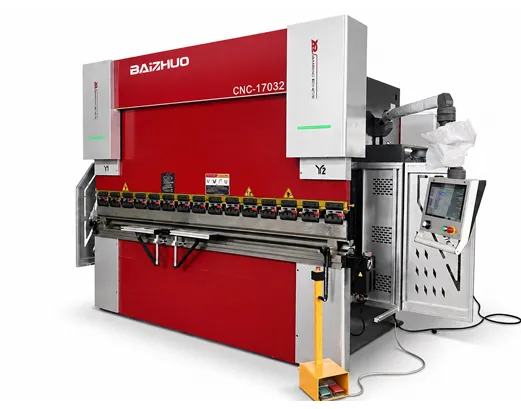
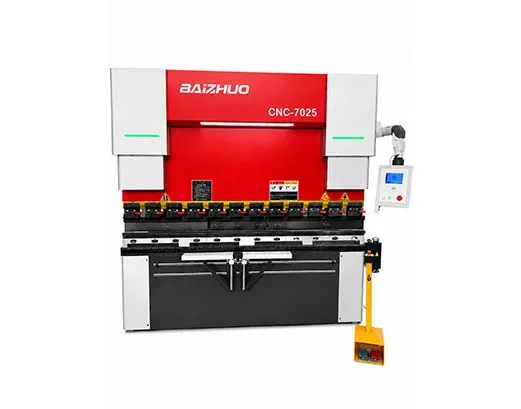
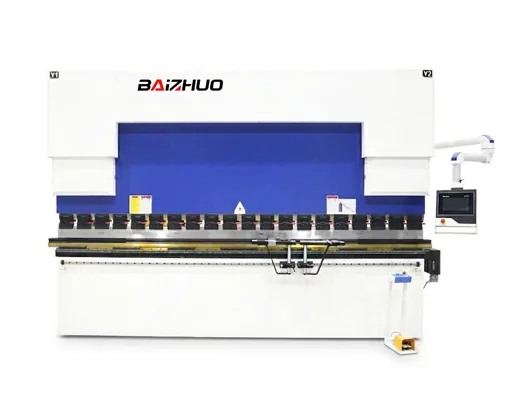
In sheet metal fabrication and heavy machinery manufacturing, while the performance of the press brake is critical, the tooling—as the "cutting edge" in direct contact with the sheet material—is the core component that determines workpiece bending accuracy, surface quality, and production efficiency.
After purchasing CNC press brakes from Nantong Baizhuo, many customers often ask: "How do I choose the most suitable tooling for different workpiece processing needs?" Today, the technical team at Baizhuo CNC outlines a clear, practical, and safe tooling selection guide from the perspectives of upper punches, lower dies, and practical application scenarios.
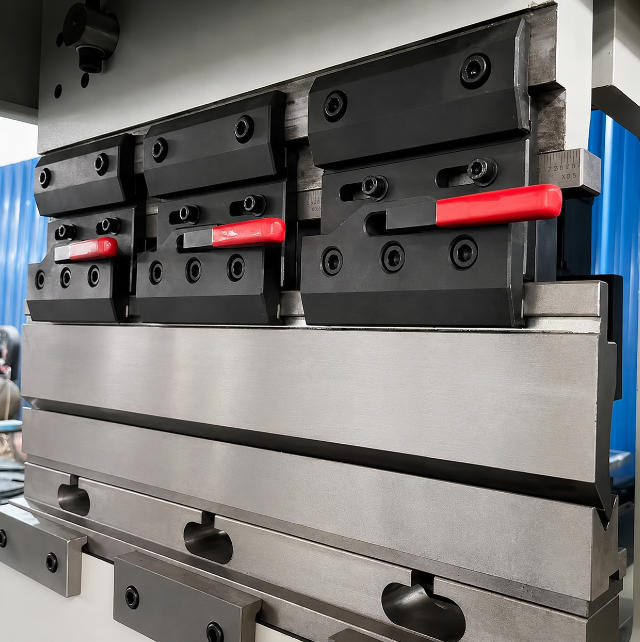
Upper Punch Selection: Prioritizing Safety and Interference Prevention
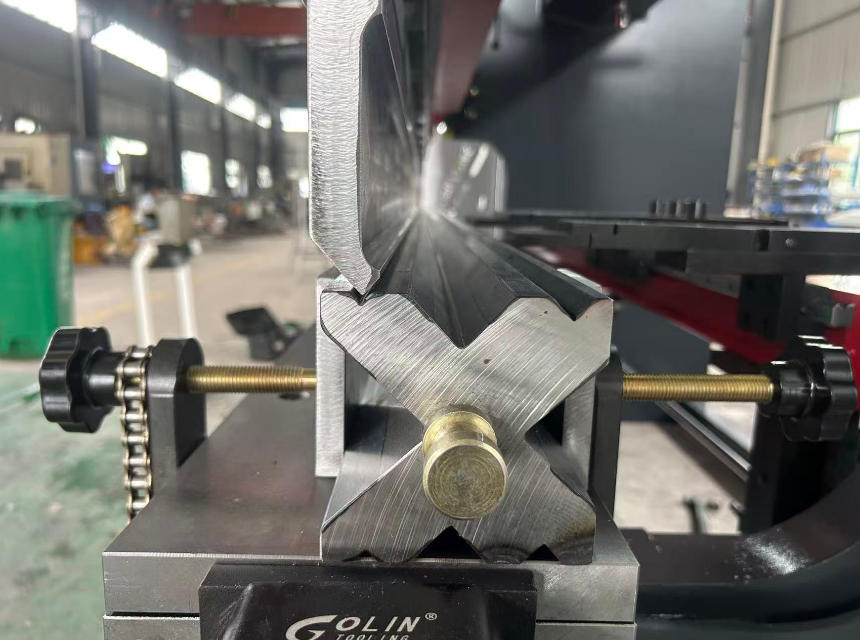
The upper punch primarily determines the internal bend radius and shape of the workpiece. When selecting a punch, focus on the following two factors:
1. Strictly Adhere to Tonnage and Load Limits
· Calculate Bending Force: Before selecting a punch, calculate the required tonnage based on the material type (e.g., carbon steel, stainless steel, aluminum alloy), plate thickness, and bending length.
· Punch Load Safety: The force applied to the upper punch must never exceed its maximum allowable load limit per unit length.
· Prevent Cracking on Special Tooling: The load-bearing capacity of specialized tooling—such as acute punches, gooseneck punches, or custom non-standard dies—is typically lower than that of standard straight punches. Overloading can easily lead to punch chipping, breakage, or even safety incidents.
2. Avoid Workpiece-Tooling Interference
· Shape Matching: When processing U-channels, multi-bend profiles, or deep box structures, prioritize gooseneck punches or sash punches to prevent collision between the previously bent sides and the tooling.
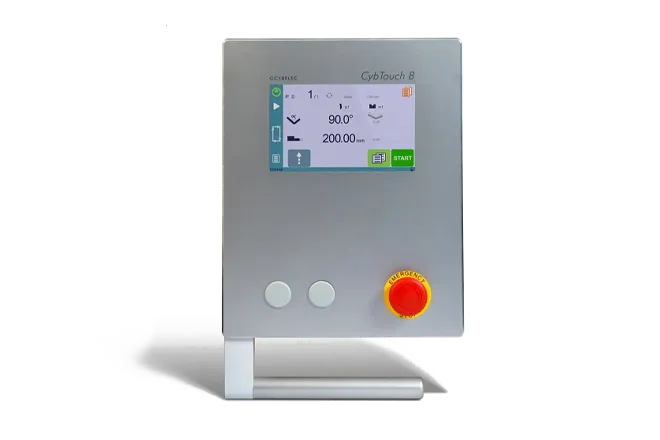
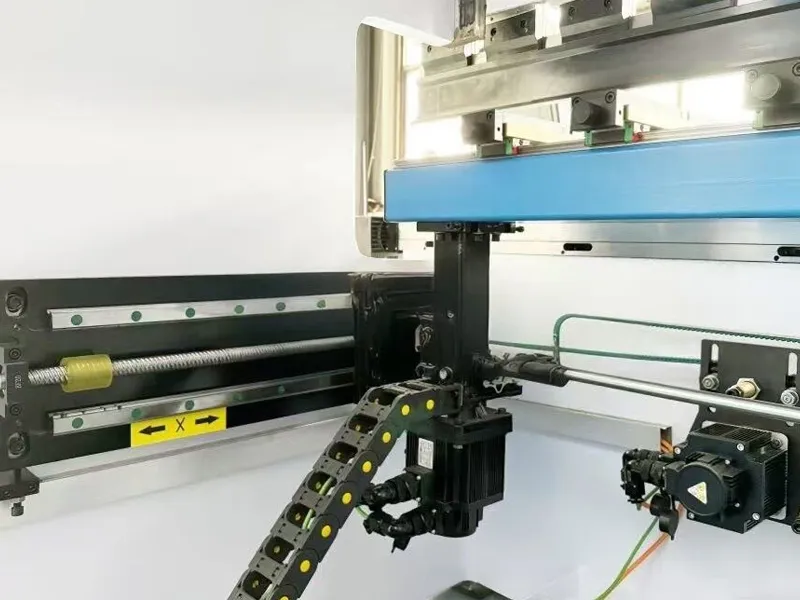
· CNC System Graphical Simulation: The high-performance CNC systems equipped on Nantong Baizhuo press brakes support complete tool library management. Once precise upper punch dimensions are entered into the system, it automatically runs 2D/3D bending simulations prior to processing to identify potential interference risks in advance.
Lower Die Selection: Precise Matching by Sheet Thickness and Process
The lower die (primarily the V-opening) directly determines the forming force, internal bend radius ($R$ radius), and minimum flange length.
1. The Classic "Rule of 8" and V-Opening Selection
Generally, the V-opening width (V) and sheet thickness (T) follow the empirical V = 8T rule. In actual production, minor adjustments can be made based on plate thickness:
Sheet Thickness Type | Thickness Range (T) | Recommended V-Opening (V) | Process Characteristics |
Thin Plate | T ≦3mm | V = (6 - 8)T | Smaller V-opening results in smaller R radius and higher precision |
Medium Plate | 3mm < T≦ 8mm | V = (8 -10)T | Balances bending tonnage and springback while protecting the die |
Heavy Plate | T > 8mm | V = (10 - 12)T | Reduces machine tonnage requirements and minimizes surface markings |
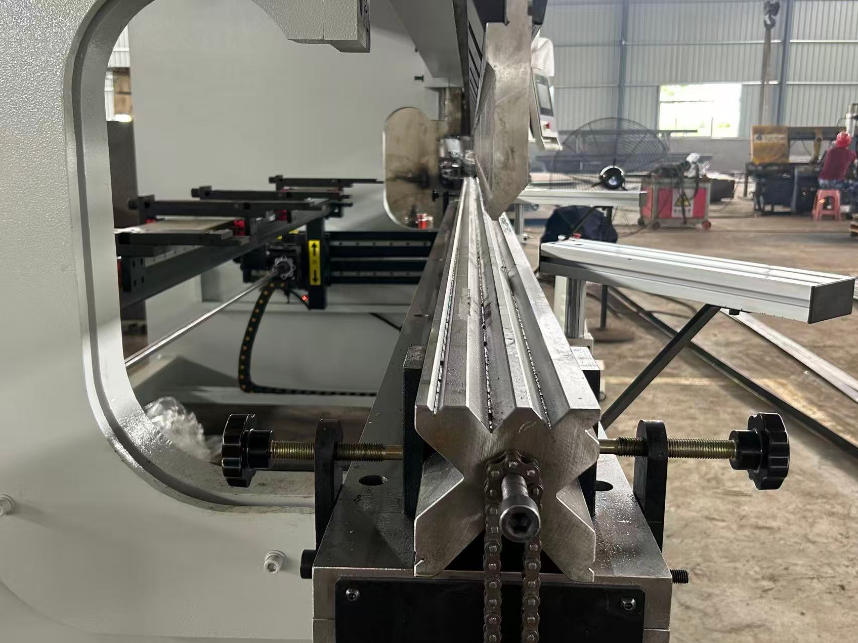
Baizhuo Tip: Reducing the V-opening increases workpiece accuracy, but significantly spikes the required bending tonnage and leaves more noticeable pressing marks on the sheet surface. Increasing the V-opening reduces machine load, but increases the internal bend radius (R radius).
2. Pay Attention to Minimum Flange Length
The flange length of the workpiece must be greater than half of the lower die's V-opening width (typically requiring a flange length ≧ 0.7V). If the flange is too short, the sheet will slip into the V-groove during bending, causing forming failure or positioning errors.
3. Die Angles and Springback Control
Considering material springback characteristics (e.g., stainless steel has significantly higher springback than carbon steel), in air bending mode, select V-grooves with appropriate angular compensation (such as 86° or 88°). Combined with the CNC system's automatic angle compensation, this achieves precise 90° forming.
4. Nantong Baizhuo Provides One-Stop Sheet Metal Forming Solutions
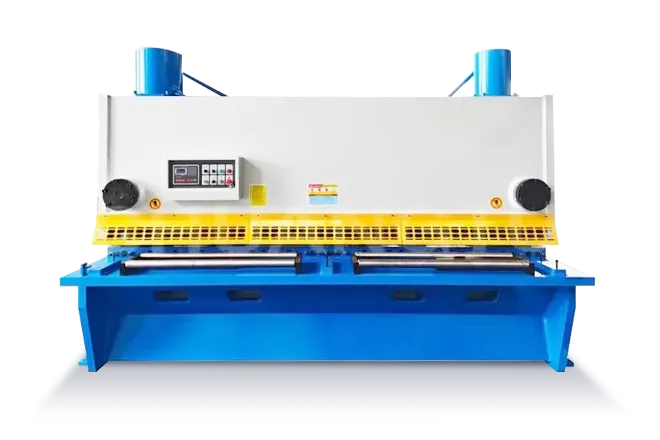
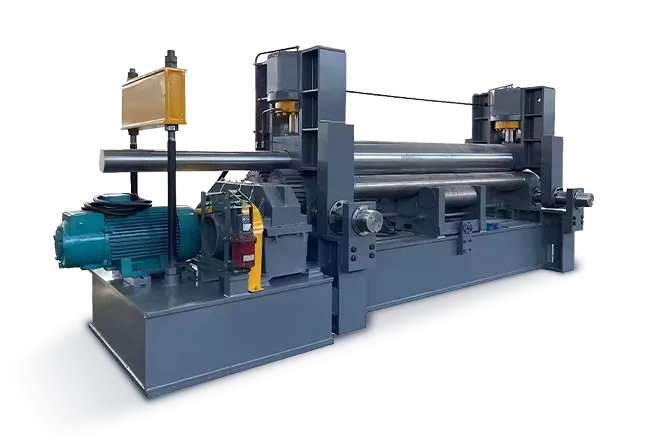
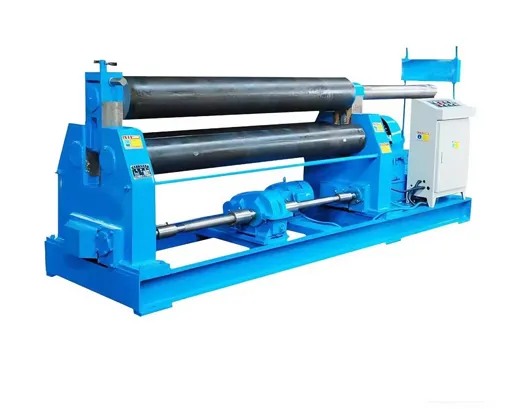
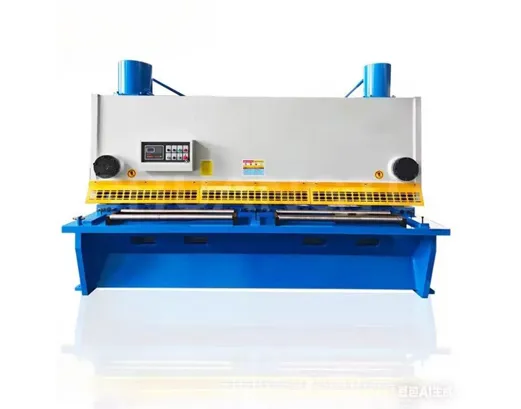
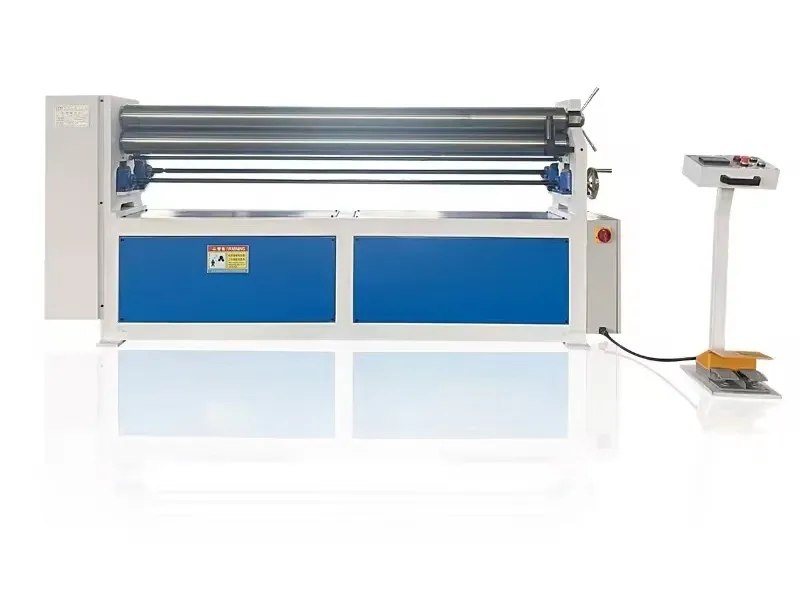
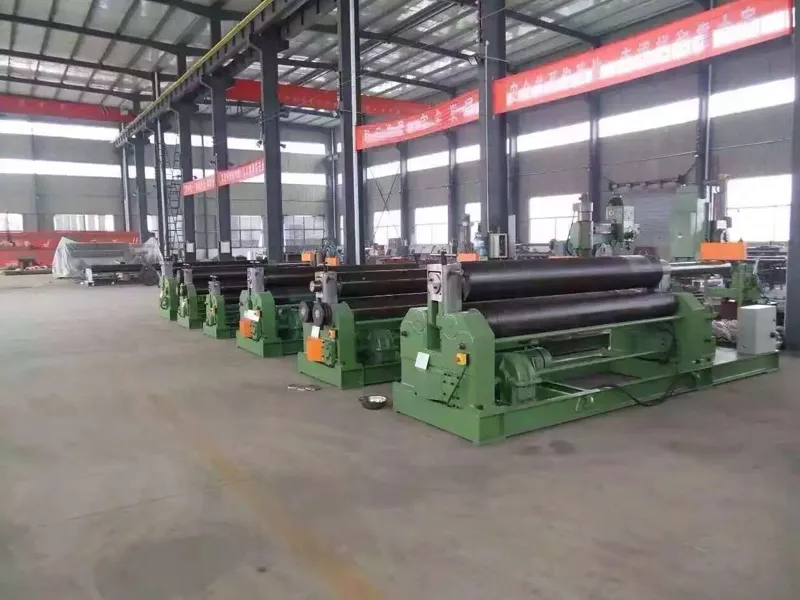
As a professional manufacturer of press brakes, shearing machines, and plate rolling machines, Nantong Baizhuo CNC Machine Tool Co., Ltd. is dedicated to providing high-quality heavy industrial equipment and customized tooling solutions for global customers.
· Guaranteed Tooling Materials: Baizhuo dies are crafted from high-strength alloy steel (such as 42CrMo), undergoing full-body hardening and precision grinding for strong wear resistance and long service life.
· Custom Sectional Tooling: We offer standard segmented lengths (e.g., combinations of 100mm,200mm,300mm, etc.) to enable quick assembly and disassembly for various workpiece widths and closed box profiles.
· Technical Support Services: Our engineering team can recommend the ideal press brake model and tooling configuration tailored to your drawings and processing needs, helping your factory reduce costs and increase productivity.

 English