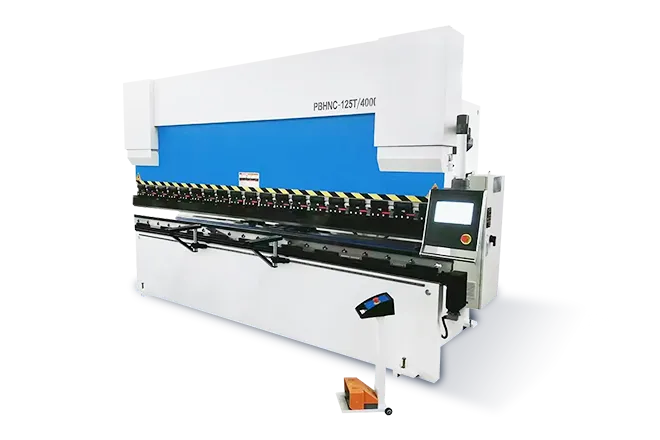
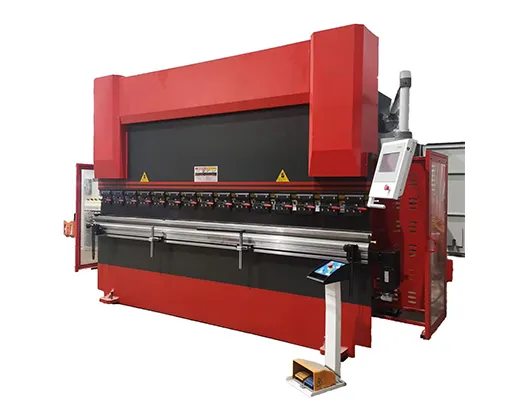
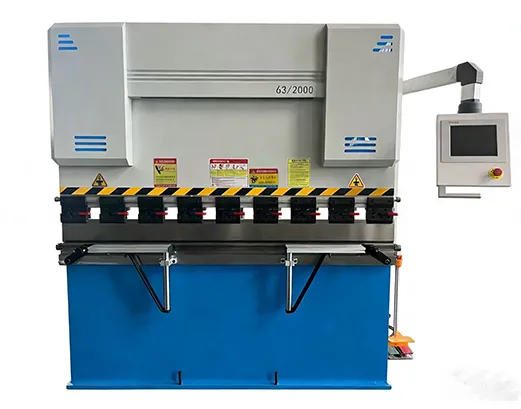
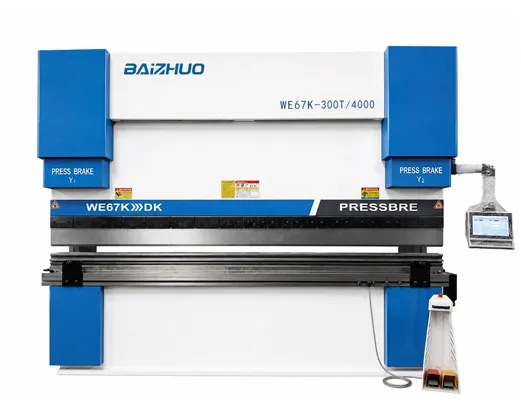
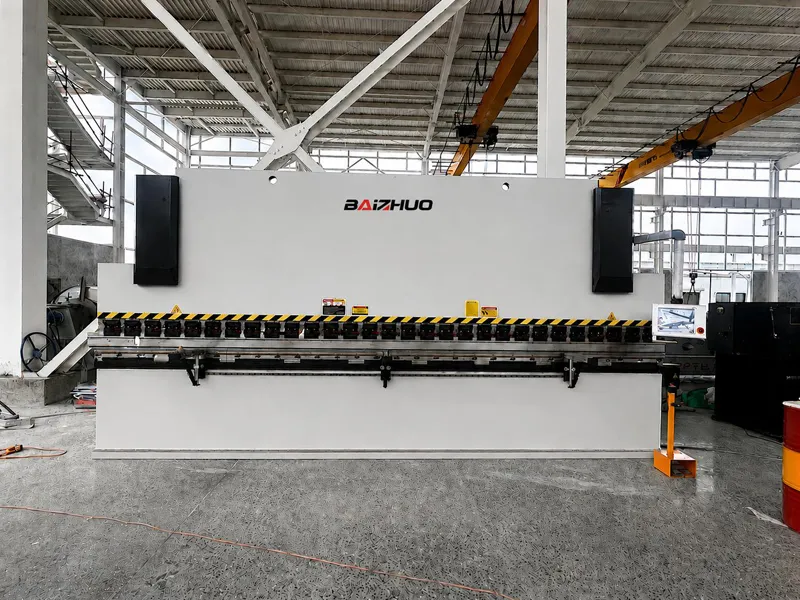
As the sheet metal fabrication industry continues to evolve, manufacturers are increasingly seeking equipment that delivers higher precision, improved efficiency, and greater flexibility. A 4+1 Axis CNC Press Brake has become one of the most popular choices for workshops that require accurate and repeatable bending operations.
However, choosing the right CNC press brake is not simply about selecting the largest machine or the lowest price. Understanding your production requirements, material specifications, controller options, and machine configurations is essential for making the best investment.
In this guide, we will explain the key factors to consider when selecting a 4+1 Axis CNC Hydraulic Press Brake for your workshop.
What Is a 4+1 Axis CNC Press Brake?
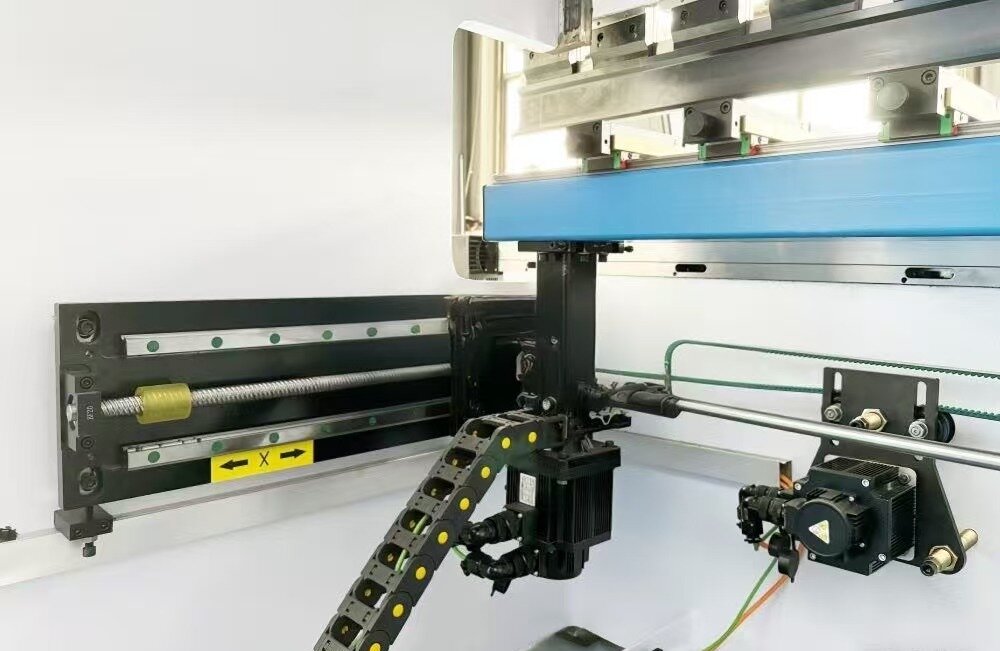
A 4+1 Axis CNC Press Brake typically consists of:
Y1 Axis: Left hydraulic cylinder control
Y2 Axis: Right hydraulic cylinder control
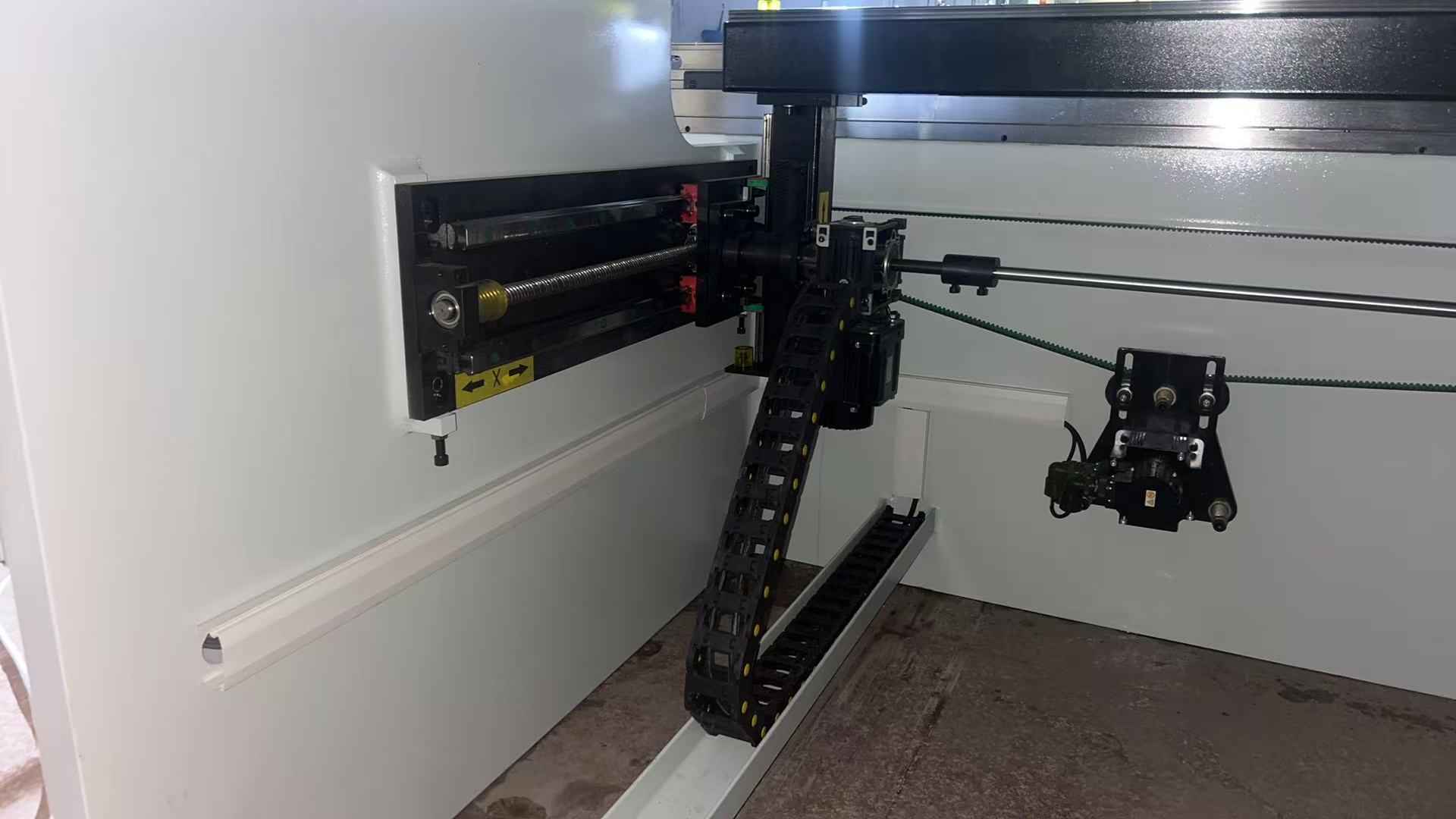
X Axis: Backgauge forward and backward movement
R Axis: Backgauge vertical movement
V Axis: CNC crowning compensation system
This configuration provides excellent bending accuracy and allows operators to produce complex sheet metal components with greater consistency and efficiency.
Compared with traditional torsion-bar press brakes, electro-hydraulic servo press brakes offer superior synchronization, higher positioning accuracy, and easier programming.
Evaluate Your Production Requirements
Before purchasing a CNC press brake, it is important to understand your production needs.
Material Type
Different materials require different bending forces and tooling configurations.
Common materials include:
Carbon Steel
Stainless Steel
Aluminum
Galvanized Steel
Copper
Stainless steel generally requires more tonnage than mild steel of the same thickness.
Material Thickness
The thickness of the material directly affects the required machine tonnage.
Choosing insufficient tonnage may result in inaccurate bending and increased machine wear.
Bending Length
The working length of the machine should exceed the maximum length of your workpieces.
Popular options include:
2500 mm
3200 mm
4100 mm
6000 mm
For most fabrication workshops, 3200mm and 4100mm models provide excellent flexibility and productivity.
Choose the Right CNC Controller
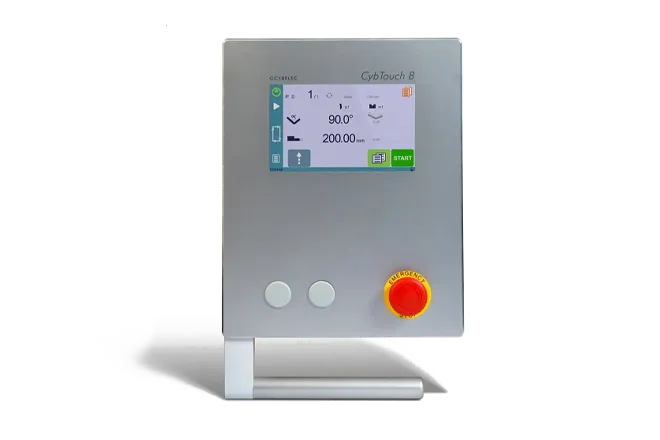
The controller is the brain of the machine and significantly impacts productivity.
Delem DA53T Controller
One of the most popular CNC systems in the industry.
Features include:
10.1-inch touchscreen display
2D graphical programming
Automatic bend sequence calculation
Tool library management
Angle correction functions
The Delem DA53T is ideal for manufacturers seeking a balance between functionality and ease of use.
ESA S630 Controller
Suitable for advanced bending applications requiring more programming flexibility and precision.
MT15 Controller
A cost-effective option for small and medium-sized fabrication companies looking for reliable performance and simple operation.
Consider the Backgauge System
The backgauge plays a critical role in positioning accuracy.
A high-quality CNC press brake should include:
Accurate backgauge movement improves repeatability and reduces setup time.
Check the Crowning Compensation System
During long-length bending operations, machine deflection may affect angle consistency.
The V-axis crowning system automatically compensates for bed deflection, ensuring uniform bending angles across the entire workpiece.
This feature is particularly important when processing:
Evaluate the Hydraulic System
The hydraulic system directly influences machine stability and service life.
Look for machines equipped with:
A premium hydraulic system ensures smooth operation, improved accuracy, and lower maintenance costs.
Examine Machine Frame Construction
The frame serves as the foundation of the press brake.
Choose machines manufactured with:
A rigid frame minimizes deformation and maintains long-term bending accuracy.
Safety Features Matter
Operator safety should always be a priority.
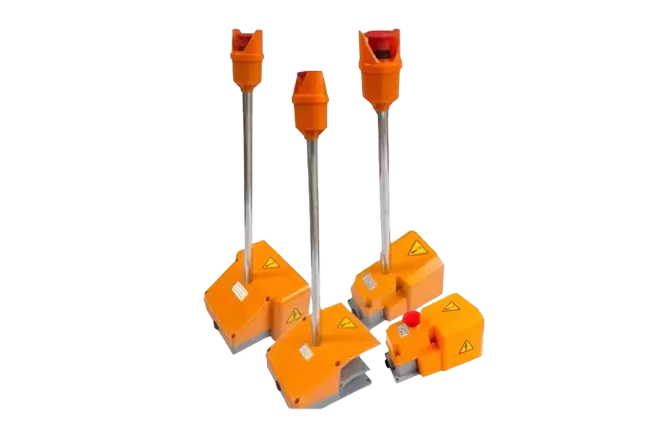
Modern CNC press brakes should include:
Advanced safety devices help protect operators while maintaining production efficiency.
Consider Future Expansion
As production requirements grow, your equipment should be able to adapt.
Look for machines that support:
Future-ready machines provide better long-term value and investment protection.
Why Choose an Electro-Hydraulic 4+1 Axis Press Brake?
Compared with conventional hydraulic press brakes, electro-hydraulic servo machines offer several advantages:
These benefits make them the preferred choice for modern sheet metal fabrication facilities.
Conclusion
Choosing the right 4+1 Axis CNC Press Brake requires careful consideration of your material type, thickness, production volume, controller requirements, and future growth plans.
A machine equipped with a reliable CNC controller such as the Delem DA53T, precision backgauge system, electro-hydraulic synchronization technology, and automatic crowning compensation can significantly improve productivity and bending quality.
Investing in the right CNC hydraulic press brake today will help your workshop achieve greater efficiency, higher product quality, and long-term business growth.

 English