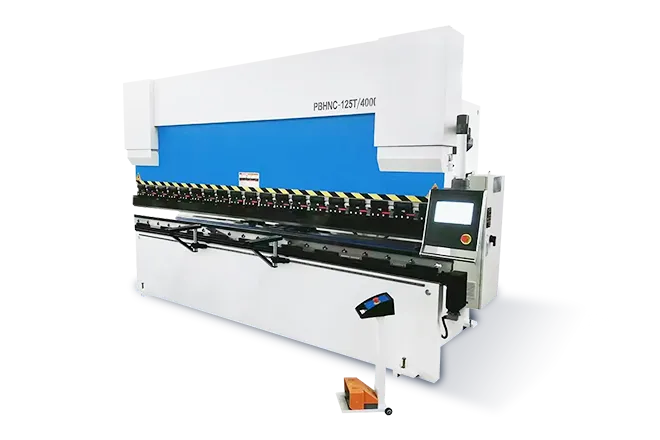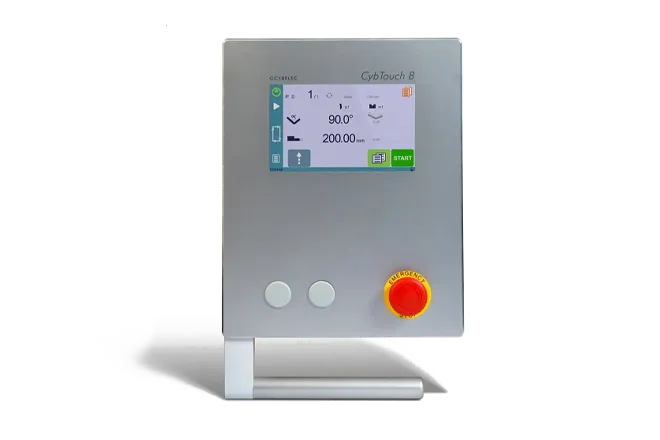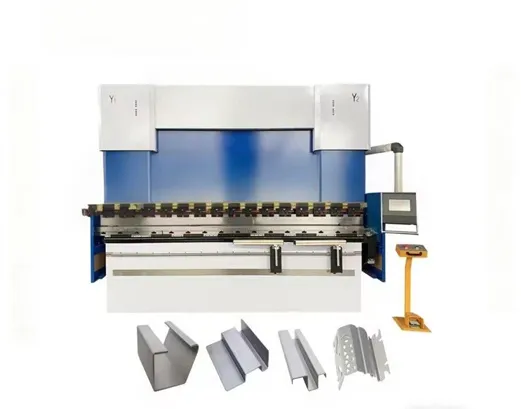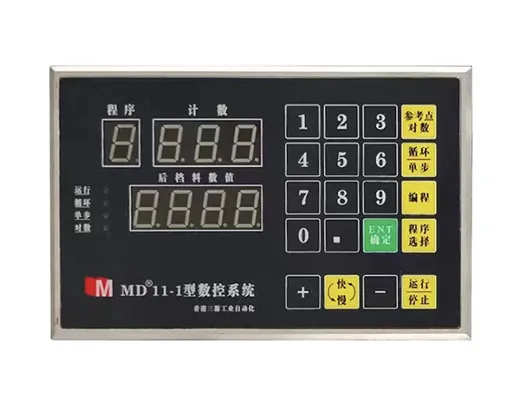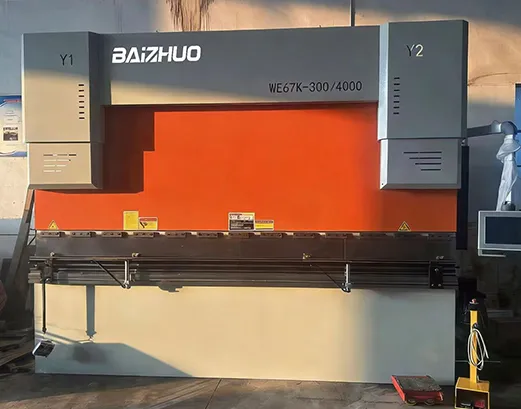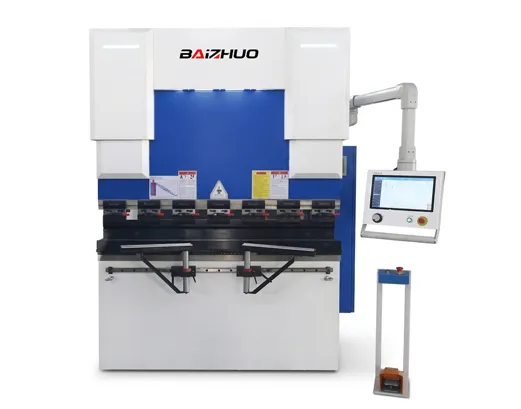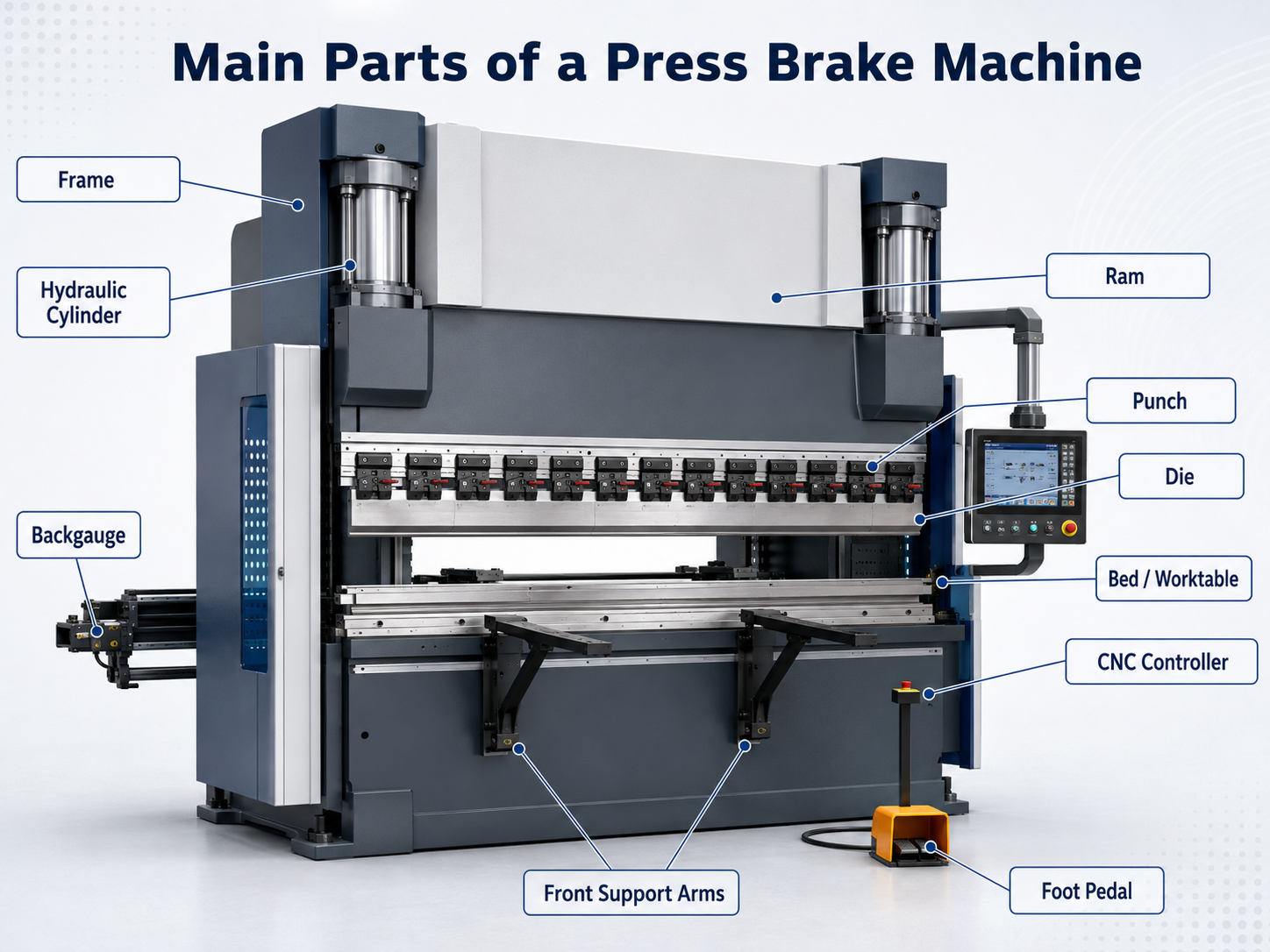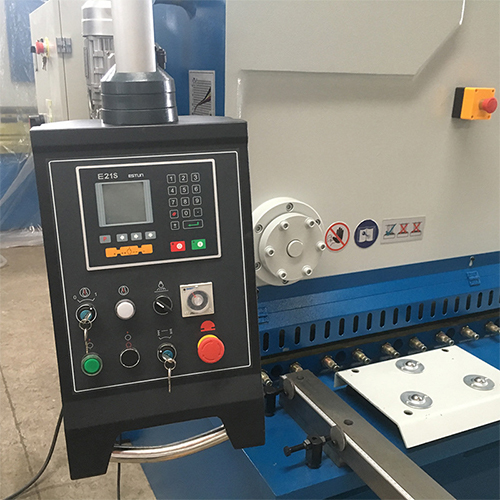
The Estun E21 controller is one of the most widely used NC control systems in hydraulic press brakes. Its simple operation, reliable performance, and cost-effectiveness make it a popular choice for small and medium-sized sheet metal fabrication workshops.
However, like any industrial equipment, an E21 hydraulic press brake may occasionally experience operational issues. Understanding the most common faults and their solutions can help operators minimize downtime and maintain stable production.
1. Press Brake Ram Does Not Move Down
Possible Causes
X-axis and Y-axis actual values do not match the preset target values
Emergency stop circuit activated
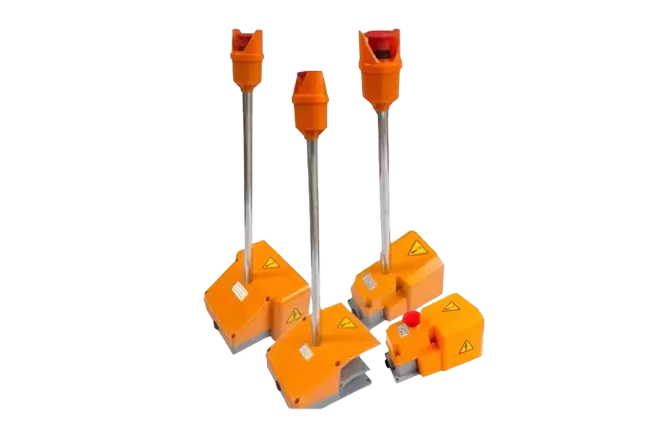
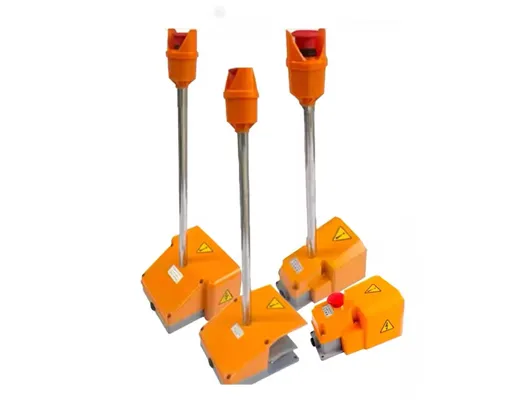
Foot switch malfunction
Hydraulic pump not running
Electrical wiring failure
Solutions
Check the E21 controller display and verify that X and Y values correspond to XP and YP settings.
Reset the machine and perform a reference return procedure.
Inspect the foot pedal and emergency stop button.
Verify hydraulic pump operation.
Check electrical connections inside the control cabinet.
In many cases, correcting the X and Y axis values on the E21 controller restores normal ram movement.
2. E21 Displays “OUT OF UDP” Alarm
Possible Causes
Solutions
Raise the ram to its highest position.
Check whether the limit switch is properly activated.
Adjust the travel stop.
Verify sensor wiring and connections.
The OUT OF UDP alarm is commonly caused by incorrect ram position feedback and can often be resolved through limit switch adjustment.
3. Insufficient Bending Pressure
Possible Causes
Low hydraulic oil level
Blocked hydraulic filter
Relief valve malfunction
Hydraulic pump wear
Prefill valve leakage
Solutions
Check and replenish hydraulic oil.
Replace contaminated filters.
Inspect pressure control valves.
Test hydraulic pump performance.
Check prefill valve sealing condition.
Insufficient pressure can prevent the machine from achieving the required bending force, especially when processing thicker materials.
4. Inaccurate Bending Angle
Possible Causes
Incorrect material parameters
Tooling wear
Improper pressure settings
Machine calibration error
Solutions
Verify material thickness and tensile strength.
Inspect punch and die condition.
Recalibrate machine parameters.
Check backgauge positioning accuracy.
Regular calibration helps maintain consistent bending accuracy and repeatability.
5. Main Motor Stops Unexpectedly
Possible Causes
Overloaded hydraulic system
Clogged oil filter
Poor hydraulic oil quality
Thermal relay protection triggered
Solutions
Clean or replace hydraulic filters.
Replace hydraulic oil according to maintenance schedules.
Check pressure valve operation.
Inspect circuit breakers and thermal relays.
Poor oil quality and blocked filters are among the most common reasons for motor overload.
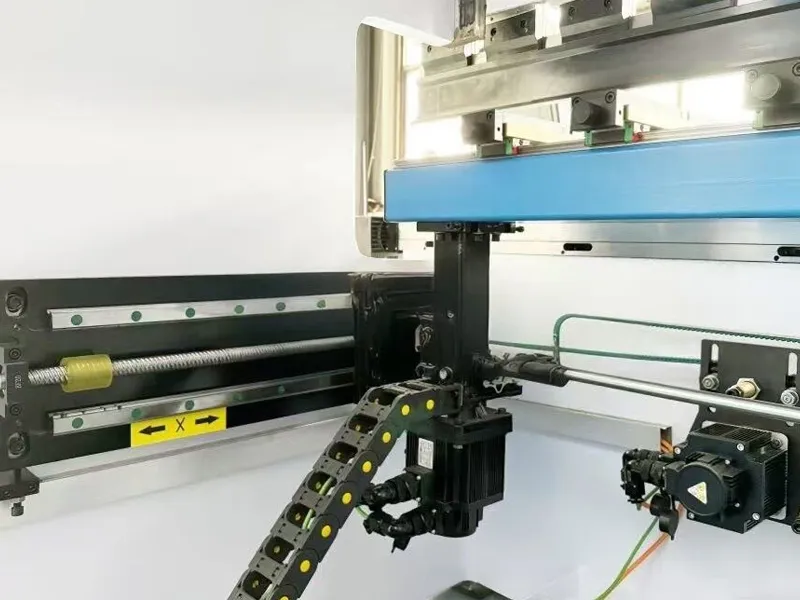
6. Backgauge Does Not Move Correctly
Possible Causes
Servo drive alarm
Encoder failure
Damaged signal cable
Mechanical obstruction
Solutions
Check servo driver error codes.
Inspect encoder wiring.
Clean guide rails and ball screws.
Verify motor coupling condition.
Accurate backgauge movement is essential for maintaining bending precision.
Preventive Maintenance Tips
To reduce E21 press brake failures, operators should perform routine maintenance:
Daily
Weekly
Monthly
Regular preventive maintenance can significantly extend machine service life and reduce unexpected downtime.
Why Choose BAIZHUO Hydraulic Press Brakes?
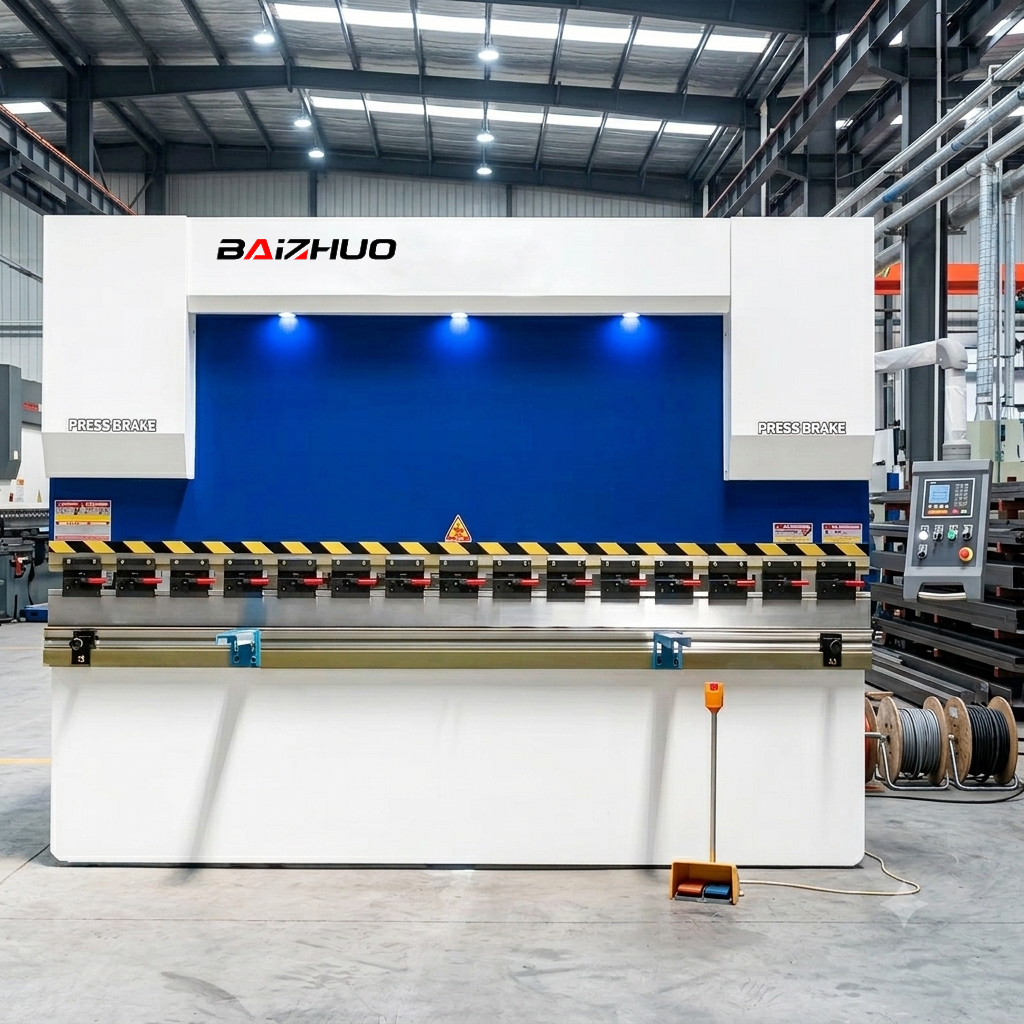
BAIZHUO CNC provides reliable hydraulic press brakes equipped with E21, Delem DA53T, ESA, and other CNC control systems.
Our machines feature:
High-strength welded steel frames
Precision hydraulic systems
Stable backgauge positioning
Professional technical support
Global after-sales service
Whether you require an economical E21 hydraulic press brake or a high-precision CNC press brake, BAIZHUO offers customized solutions for your sheet metal fabrication needs.
Conclusion
Most E21 hydraulic press brake faults can be resolved through systematic troubleshooting and routine maintenance. By understanding common issues such as ram movement failures, pressure loss, alarm messages, and backgauge errors, operators can maintain efficient production and maximize equipment reliability.

 English