When choosing a plate rolling machine for metal fabrication, one of the most common questions buyers ask is:
Should I choose a 3-roll plate rolling machine or a 4-roll plate rolling machine?
Both machines are widely used for rolling metal plates into:
However, their structures, working methods, rolling precision, and production efficiency are significantly different. Choosing the right machine can directly impact:
At Baizhuo CNC, we help customers worldwide select the most suitable plate rolling solution based on their production requirements.
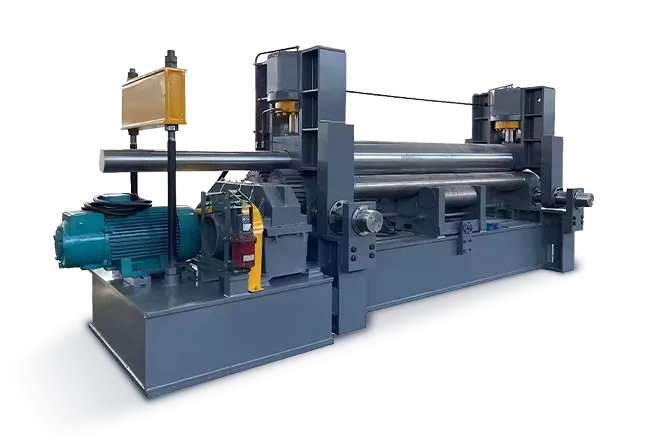
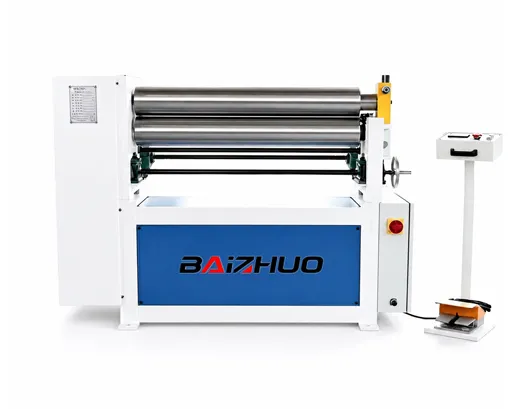
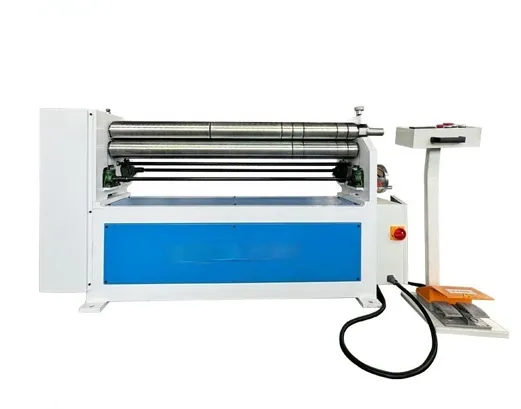
What Is a 3-Roll Plate Rolling Machine?
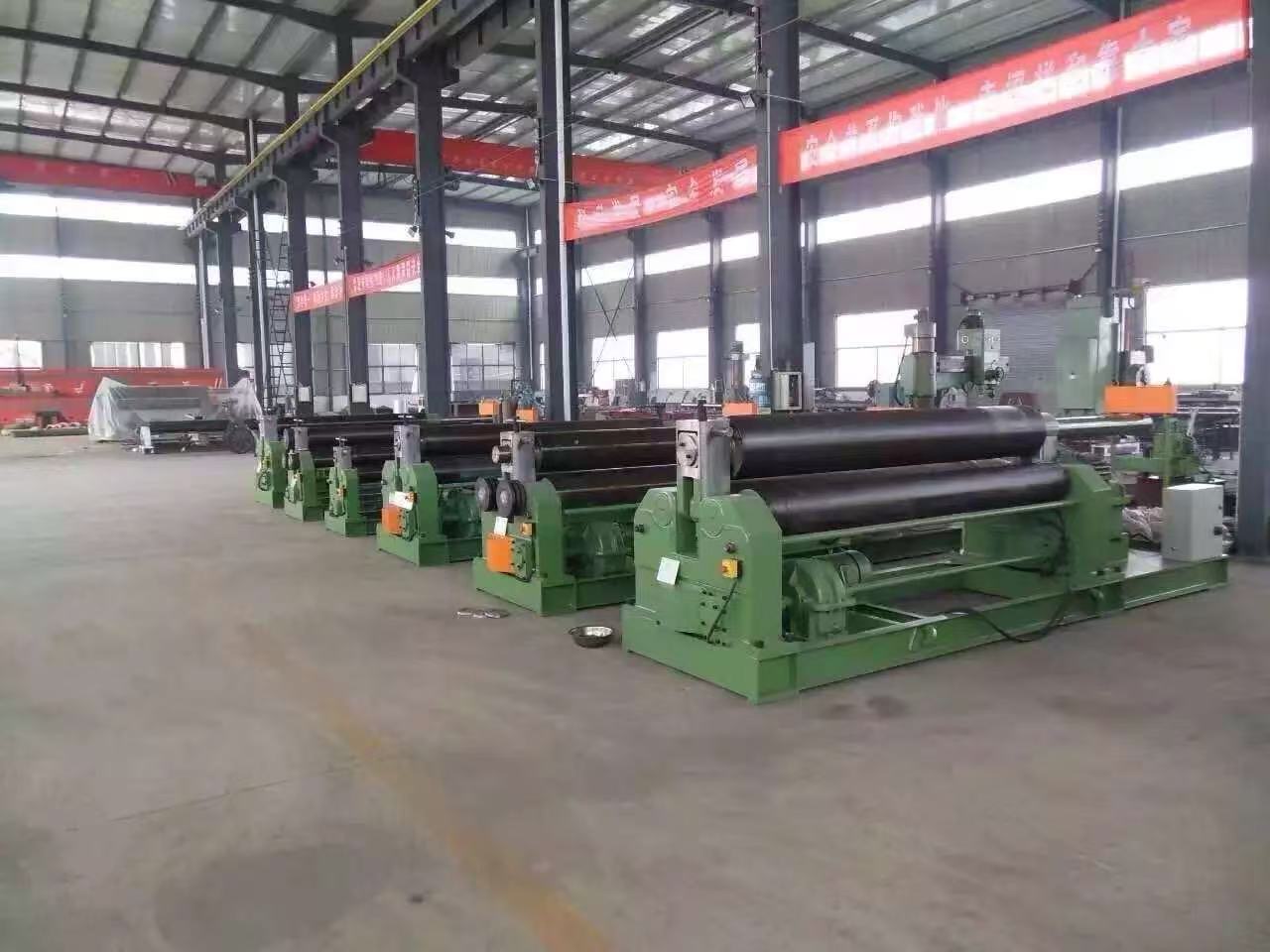
A 3-roll plate rolling machine uses:
One upper roll
Two lower rolls
arranged in a triangular structure. This design has been widely used in the metal fabrication industry for decades.
Main Advantages of 3-Roll Machines
Lower Equipment Cost
3-roll machines have:
Simpler mechanical structures
Lower manufacturing costs
Lower maintenance expenses
This makes them ideal for:
Better for Heavy Thick Plate Rolling
Many heavy-duty 3-roll machines can handle:
They are commonly used in:
Simple and Durable Structure
Because of the simpler structure:
This is especially valuable in factories with continuous production.
Limitations of 3-Roll Plate Rolling Machines
Requires Multiple Rolling Steps
Traditional 3-roll machines usually require:
Separate pre-bending
Plate repositioning
Manual reversing
This increases:
Operator workload
Production time
Skill requirements
More Flat Ends
Because the plate edges cannot always be fully pre-bent in one pass:
Lower Automation Level
Most standard 3-roll machines:
This makes repeatability more difficult in mass production.
What Is a 4-Roll Plate Rolling Machine?
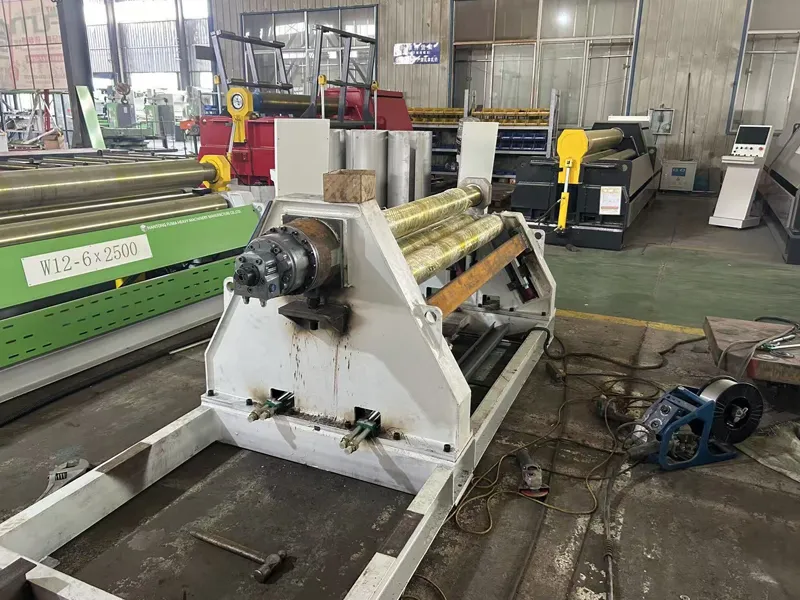
A 4-roll plate rolling machine uses:
One top roll
One bottom pinch roll
Two side rolls
This design allows the plate to remain clamped during the entire rolling process.
Main Advantages of 4-Roll Machines
Higher Rolling Precision
Because the plate is continuously clamped:
This is especially important for:
Faster Production Efficiency
A 4-roll machine can perform:
Pre-bending
Rolling
Final forming
in a single operation.
Compared with traditional 3-roll machines:
Easier CNC Automation
Modern 4-roll plate rolling machines often support:
Even less experienced operators can achieve stable rolling results.
Better for High-Volume Manufacturing
4-roll machines are widely used in:
where:
Consistency
Speed
Precision
are critical.
Main Disadvantages of 4-Roll Machines
Higher Investment Cost
Compared with 3-roll machines:
Hydraulic systems are more complex
CNC systems increase cost
Manufacturing precision requirements are higher
Initial investment is usually significantly higher.
More Complex Maintenance
4-roll machines require:
More advanced hydraulic systems
More electrical components
Professional technical service
However, modern CNC systems also reduce operator mistakes and improve long-term efficiency.
Which Plate Rolling Machine Should You Choose?
Choose a 3-Roll Machine If:
Your budget is limited
You mainly process thick plates
Production volume is moderate
You prioritize durability
Precision requirements are not extremely high
Ideal for:
Steel structure factories
General fabrication shops
Heavy industrial applications
Choose a 4-Roll Machine If:
You require high rolling precision
You need faster production speed
You want CNC automation
You process stainless steel regularly
You handle batch production
Ideal for:
Baizhuo CNC Plate Rolling Machine Solutions
Baizhuo CNC Official Website
Baizhuo CNC provides:
W11 Mechanical 3-Roll Plate Rolling Machines
Hydraulic 3-Roll Rolling Machines
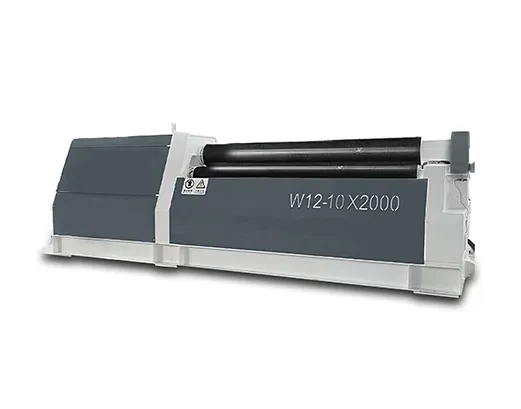
W12 4-Roll CNC Plate Rolling Machines
Customized metal rolling solutions
Our equipment is widely exported to:
Southeast Asia
Europe
South America
Middle East
Africa
We focus on:
Final Thoughts
Both 3-roll and 4-roll plate rolling machines have their own advantages.
In simple terms:
The best choice depends on:
Your production goals
Budget
Automation requirements
Material thickness
Precision standards
Selecting the right plate rolling machine can significantly improve production efficiency and reduce long-term operating costs.

 English
![[January 2025] Baizhuo CNC Holds 2025 Annual Work Conference, Deploying Key Development Points for the New Year](/uploads/image/20260226/January-2025-0.webp "[January 2025] Baizhuo CNC Holds 2025 Annual Work Conference, Deploying Key Development Points for the New Year")