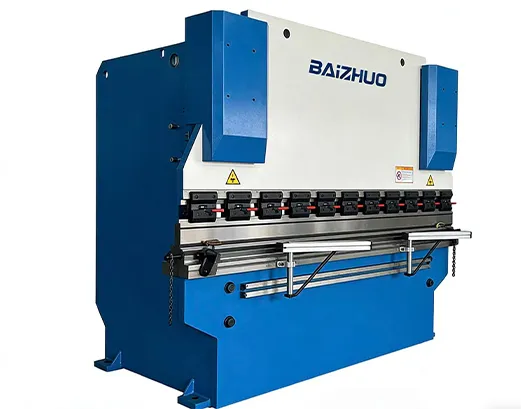
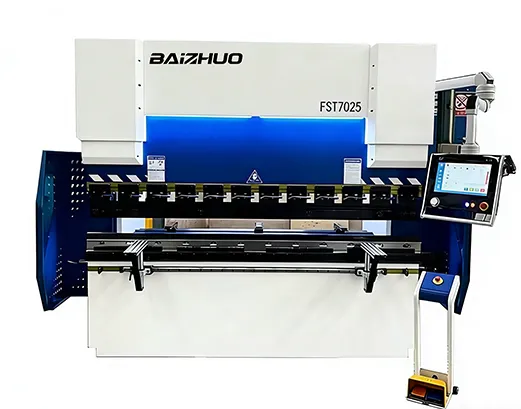
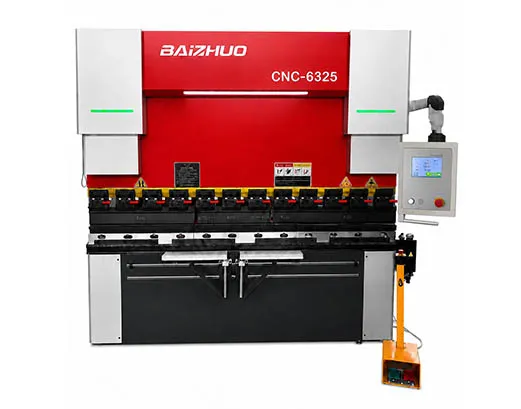
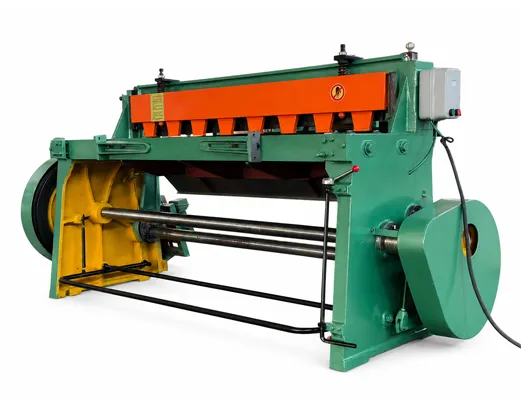
Choosing the right sheet metal bending machine is not just about tonnage or advanced features. The best machine is the one that matches your material range, part size, bending accuracy, production volume, and future workshop growth.
For modern fabricators, the right bending machine can improve productivity, reduce scrap, and shorten setup time. Whether you produce electrical cabinets, automotive parts, construction machinery components, or custom sheet metal structures, the machine you choose will directly affect quality and efficiency. Baizhuo CNC provides hydraulic press brakes, CNC press brakes, and customized bending solutions designed to meet different workshop requirements with reliable performance and practical value.
Understand Your Production Needs
The first step in machine selection is to define what you actually need to produce. A workshop making simple brackets has very different requirements from a factory producing large enclosures, elevator panels, or structural parts.
Before choosing a machine, you should review:
Material types such as carbon steel, stainless steel, and aluminum.
Sheet thickness and maximum part size.
Required bend angles and accuracy.
Production volume and job change frequency.
Part complexity and future product plans.
Defining these points early helps you avoid buying a machine that is too small for future work or too expensive for your current production needs.
Choose the Right Bending Force and Working Length
Bending force, usually measured in tons, is one of the most important selection factors. It depends on material type, sheet thickness, bend length, die opening, and bending method.
For example, stainless steel usually requires more force than mild steel because of its higher strength and greater springback. A longer bend length also increases the required tonnage. If the machine force is too low, the bend may be unstable or inaccurate. If it is too high, you may pay for capacity you do not need.
Working length is equally important. It should be long enough to handle your largest parts without limiting future production. For best results, the machine should match your regular production range instead of being selected only for rare maximum-size jobs.
Evaluate Machine Structure and Stability
A machine’s structure has a major impact on bending accuracy. Frame rigidity, throat depth, open height, stroke length, and column spacing all influence how well the machine handles large or complex parts.
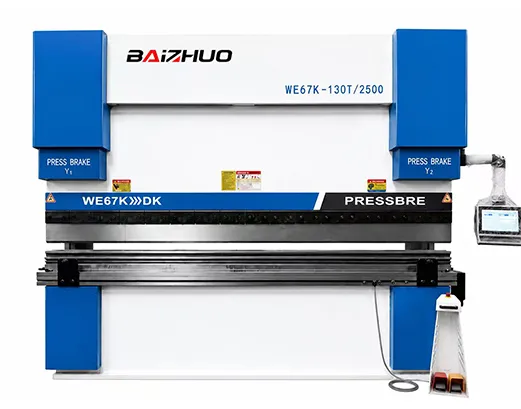
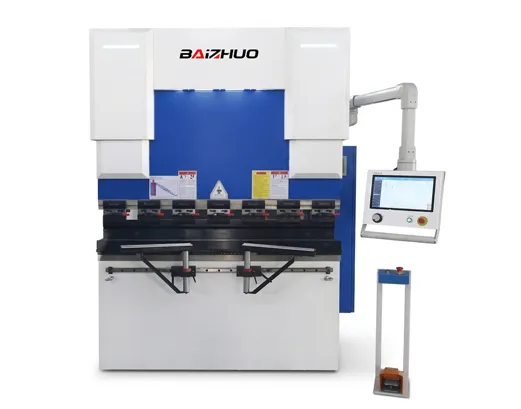
If the structure is too weak, the machine may deflect during bending, which can affect angle consistency along the full length of the sheet. A well-designed frame and stable synchronization system help maintain accuracy during repeated production. Baizhuo CNC offers different press brake configurations, from compact models for general fabrication to larger machines for long sheet processing.
Hydraulic, CNC or Electric: Which Bending Machine Type Fits Your Workshop?
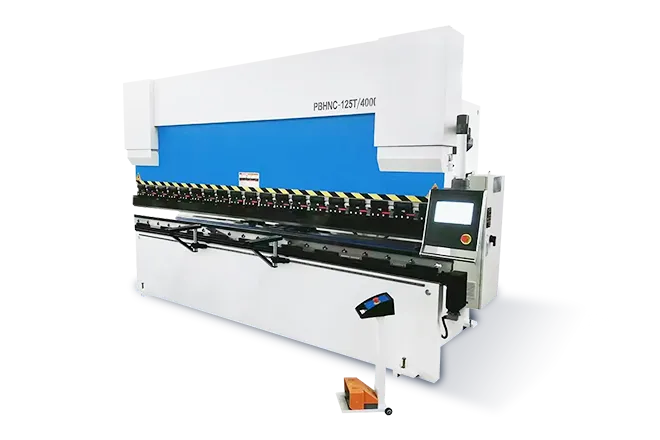
Hydraulic press brakes are widely used because they provide strong force, stable operation, and broad material compatibility. They are suitable for general fabrication, heavy sheet work, and medium to large production environments.
CNC press brakes add programmable control, automatic positioning, and stored bending programs. They are especially suitable for workshops that handle multiple part designs, repeated orders, or jobs requiring consistent accuracy. Advanced CNC systems can also control multiple axes, optimize bending sequences, and reduce manual adjustment.
Electric press brakes use servo-driven systems instead of hydraulic power. They are often selected for lower energy consumption, quiet operation, and precision bending of smaller parts. However, buyers should always match the machine type to real production demands rather than choosing based on one advantage alone.
Comparison Table
Check the CNC Control and Tooling Options
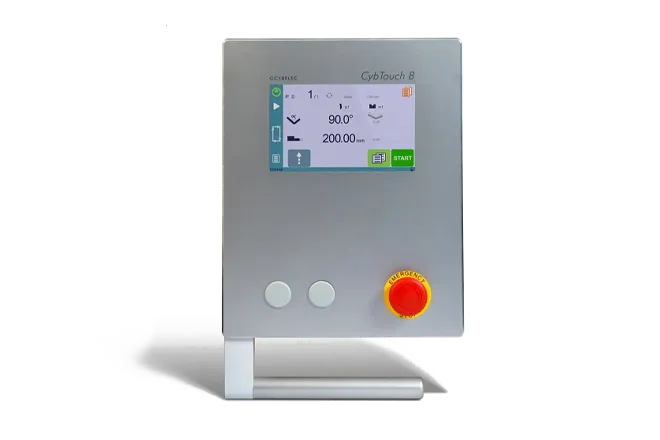
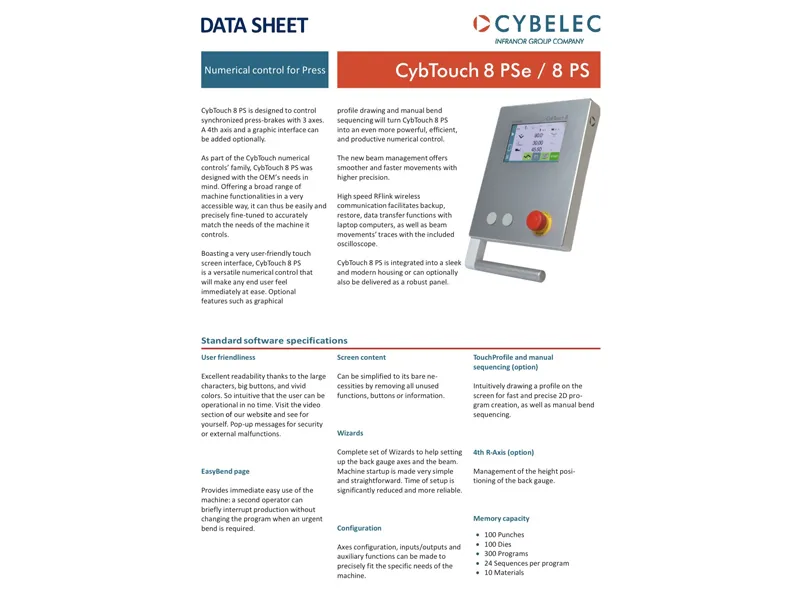
The control system strongly affects usability, setup speed, and repeatability. Simple jobs may only need basic CNC functions, while more complex work benefits from features such as multi-axis back gauges, automatic programming, angle compensation, and 3D simulation.
Tooling is another important factor. The punch and die influence bending force, flange size, bending radius, surface quality, and final accuracy. A machine with strong specs but limited tooling compatibility may restrict your future production flexibility. Workshops with different product types should look for flexible tooling support and quick setup options.
Do Not Overlook Supplier Support
A bending machine is a long-term investment, so supplier support matters as much as machine specification. Before buying, you should check technical communication, installation support, operator training, spare parts availability, and response time for service issues.
A reliable supplier can help with machine configuration, tooling recommendations, and future upgrades. For international buyers, after-sales support is especially important because any downtime directly affects delivery schedules and operating costs. Choosing the right supplier is part of choosing the right machine.
Practical Checklist Before Buying
Before placing an order, make sure the following points are clear:
The machine capacity matches your material range.
The working length fits your current and future parts.
The tooling is suitable for your applications.
The CNC functions match your production complexity.
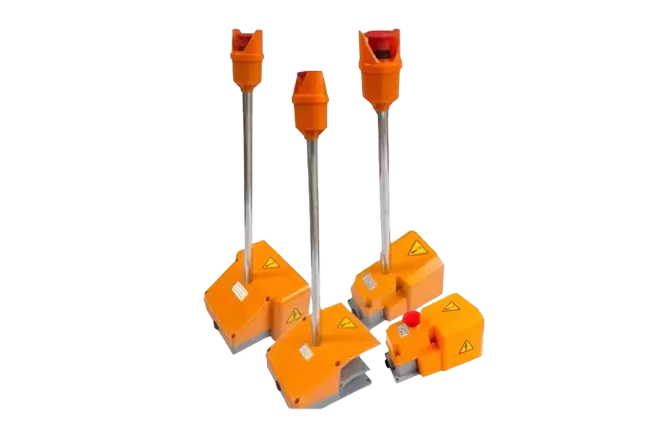
The safety system meets workplace requirements.
The supplier provides technical support and documentation.
If possible, ask for a bending test using your actual material and drawings. This is one of the best ways to confirm whether the machine can meet your production expectations.
Frequently Asked Questions
What is the difference between a sheet metal bending machine and a press brake?
A press brake is one type of sheet metal bending machine that uses punch and die tooling to create precise straight bends. The broader term may include other bending equipment depending on the application.
How do I know what tonnage I need?
Tonnage depends on material type, thickness, bend length, die opening, and bending method. Accurate part drawings and material details are needed for proper calculation.
Should I choose a hydraulic or CNC press brake?
Hydraulic press brakes are suitable for many general and heavy-duty jobs. CNC press brakes are better for repeated production, complex parts, and higher efficiency.
How important is the CNC controller?
Very important. The controller affects programming speed, operator ease, and production consistency.
What should I ask a supplier before buying?
Ask about capacity, tooling, controller options, installation support, warranty terms, spare parts, and whether production testing is available.
Conclusion
Selecting the right sheet metal bending machine starts with understanding your production needs, material requirements, and long-term goals. The best machine is not always the largest or most advanced model, but the one that delivers the right balance of capacity, accuracy, flexibility, and efficiency.
For manufacturers looking to improve sheet metal fabrication performance, a properly configured CNC press brake can become a valuable production asset. Baizhuo CNC provides hydraulic and CNC press brake solutions with flexible configurations, reliable performance, and application-focused support.
Contact Baizhuo CNC to discuss your bending requirements and find the right machine configuration for your workshop.

 English