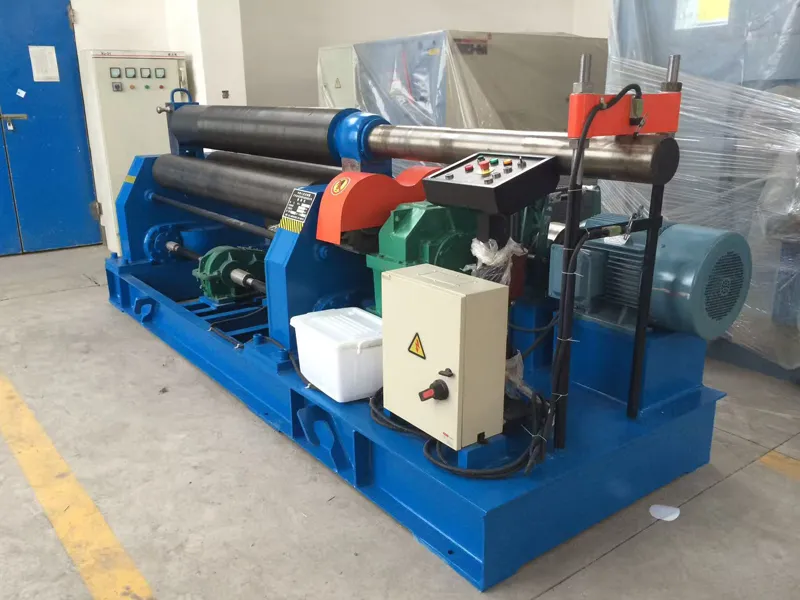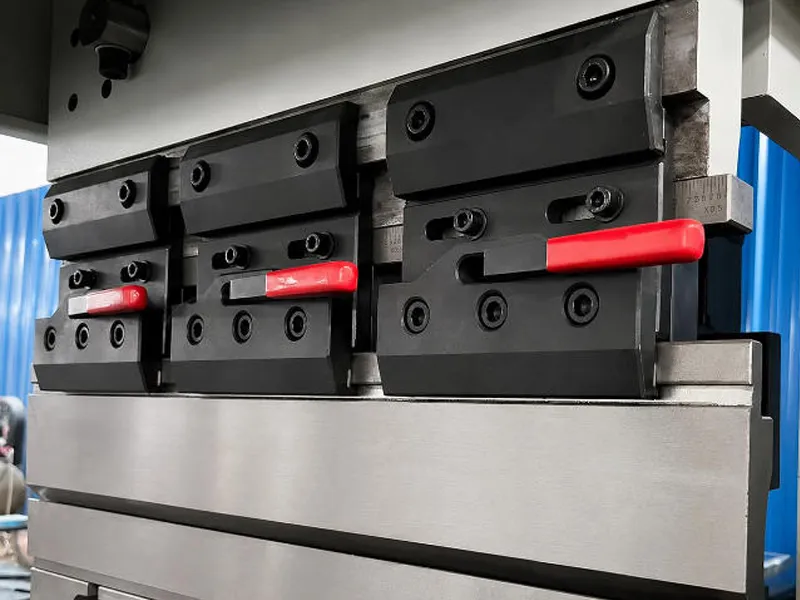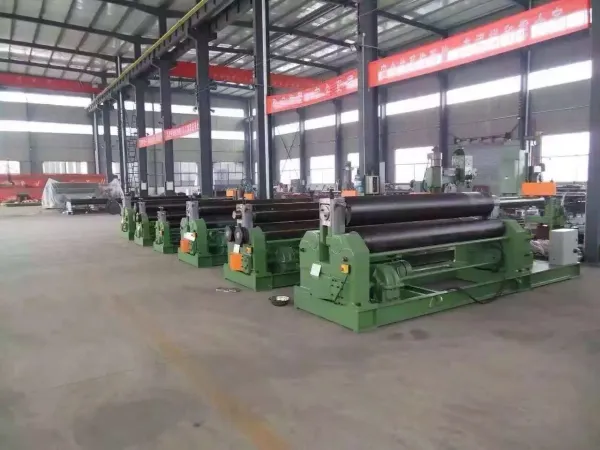
In the metal fabrication industry, a Universal Plate Rolling Machine is a versatile machine designed to bend steel plates, stainless steel sheets, aluminum plates, and other metal materials into cylinders, arcs, cones, and other curved shapes. Compared with conventional plate rolling machines, a universal plate rolling machine offers greater flexibility and can handle different plate thicknesses, widths, and diameters.
For manufacturers that need to process various metal plate specifications, choosing a high-performance Universal Plate Rolling Machine can improve production efficiency, reduce equipment investment, and provide greater flexibility for different fabrication requirements.
What Is a Universal Plate Rolling Machine?
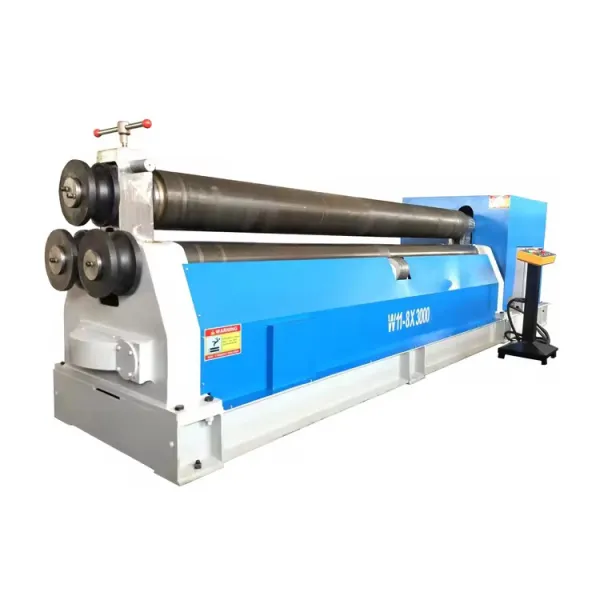
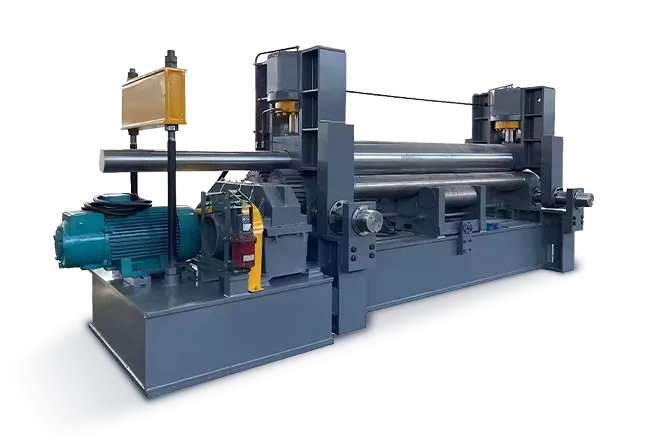
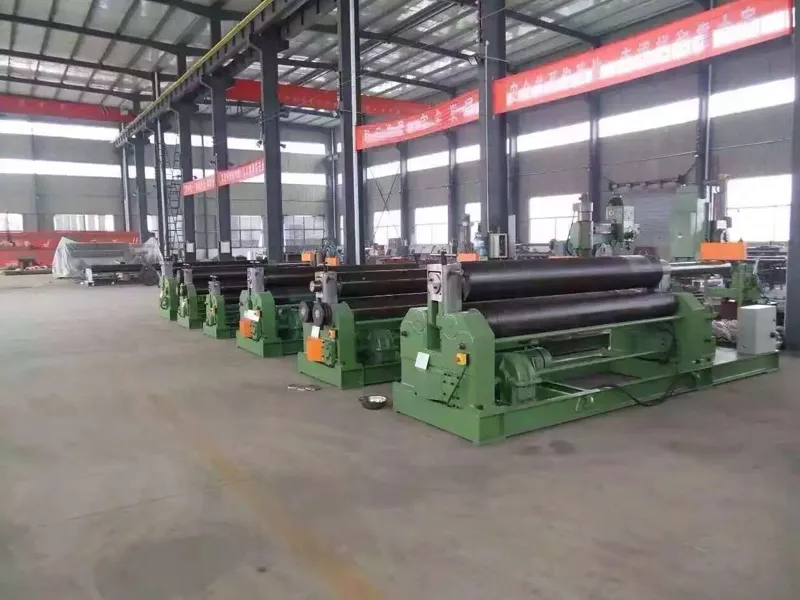
A Universal Plate Rolling Machine is a metal forming machine used to bend and roll flat metal plates into specific shapes. Its main components typically include upper rolls, lower rolls, and side rolls. Through mechanical or hydraulic movement of the rolls, the metal plate is gradually bent into the required radius and shape.
Depending on the machine design and configuration, a universal plate rolling machine can process different plate thicknesses and widths and produce cylindrical, curved, conical, and other customized workpieces.
The main advantage of a Universal Plate Rolling Machine is its versatility, making it particularly suitable for manufacturers that handle different specifications, small-batch production, and customized metal fabrication.
Why Choose a Universal Plate Rolling Machine?
1. Wide Range of Applications
A universal plate rolling machine can process metal plates with different thicknesses, widths, and diameters. One machine can handle a wide variety of plate rolling applications, reducing the need to purchase multiple specialized machines.
For companies with changing production requirements, a Universal Plate Roller provides excellent flexibility.
2. Capable of Producing Different Shapes
A universal plate rolling machine can be used to produce more than standard cylindrical workpieces. Depending on the machine configuration, it can also manufacture arcs, cones, and other curved components.
By adjusting the roll positions and operating parameters, manufacturers can achieve different forming requirements.
Typical applications include:
* Storage tank manufacturing
* Pressure vessel manufacturing
* Boiler manufacturing
* Steel structure fabrication
* Pipe manufacturing
* Wind power equipment
* Shipbuilding
* Oil and gas equipment
* General metal fabrication
3. Suitable for Different Metal Materials
Depending on the machine configuration, a Hydraulic Plate Rolling Machine can process various metal materials, including carbon steel, stainless steel, and aluminum.
When selecting a machine, it is important to consider the material type, plate thickness, plate width, and material yield strength.
4. Reduce Equipment Investment
If a company needs to process many different plate specifications, purchasing several specialized plate rolling machines can significantly increase equipment costs, installation costs, and maintenance requirements.
A versatile Universal Plate Rolling Machine can cover a wider range of production requirements with one machine, helping manufacturers reduce the number of machines required and improve equipment utilization.
5. Improve Production Efficiency
Modern hydraulic plate rolling machines are often equipped with hydraulic control systems and precision roll adjustment mechanisms, allowing operators to adjust processing parameters more conveniently.
For batch production, stable machine performance can reduce setup time, improve production efficiency, and provide more consistent finished products.
What Industries Use Universal Plate Rolling Machines?
Universal plate rolling machines are widely used in industries that require metal plate bending and forming.
For example, in storage tank manufacturing, a plate rolling machine can form steel plates into cylindrical tank shells. In the steel structure industry, it can process curved steel plates of different sizes. In pressure vessel manufacturing, the machine must be properly selected according to the material thickness, material strength, and required diameter.
Other applications include:
Energy equipment, shipbuilding, oil and gas, petrochemical equipment, wind power, boilers, pipelines, and general machinery manufacturing.
How to Choose the Right Universal Plate Rolling Machine?
When choosing a Universal Plate Rolling Machine, it is important to consider more than just the machine price. The following technical parameters should be evaluated carefully.
Maximum Plate Width
Common working widths include:
* 1500 mm
* 2000 mm
* 2500 mm
* 3000 mm
* 4000 mm
* 6000 mm
The wider the plate, the higher the requirements for the machine’s working length, frame strength, and overall structural rigidity.
Maximum Rolling Thickness
Different plate rolling machines have different thickness capacities. Typical machines may be designed for plates from 6 mm, 10 mm, 16 mm, and 20 mm to 30 mm or even thicker.
However, the actual rolling capacity also depends on the material’s yield strength, minimum rolling diameter, and effective plate width.
Minimum Rolling Diameter
If your production frequently requires small-diameter cylinders, the machine’s minimum rolling diameter is an important specification to consider.
The minimum rolling diameter is affected by factors such as machine structure, roll diameter, plate thickness, and material properties.
Roll Configuration
Universal plate rolling machines are commonly available in 3-roll and 4-roll configurations.
Four-roll plate rolling machines generally provide better plate positioning and pre-bending performance, making them suitable for applications requiring higher productivity, easier operation, and improved forming accuracy.
What Is the Difference Between a Universal Plate Rolling Machine and a Conventional Plate Rolling Machine?
The main difference is flexibility and application range.
A conventional plate rolling machine may be designed for specific plate sizes or particular production applications, while a universal plate rolling machine generally provides greater roll adjustment flexibility and can accommodate a wider range of plate specifications.
Therefore, if your company mainly processes one specific product or plate specification, a conventional machine may be sufficient.
However, if your production involves different plate thicknesses, widths, diameters, and workpiece shapes, choosing a Universal Plate Rolling Machine can provide greater flexibility.
Is a Universal Plate Rolling Machine Worth Buying?
If your company regularly processes metal plates with different specifications, a universal plate rolling machine can be a valuable investment.
One versatile machine can handle a wider variety of plate bending applications while reducing the need for multiple machines. This can improve equipment utilization, production flexibility, and overall manufacturing efficiency.
For metal fabrication companies, steel structure manufacturers, pressure vessel manufacturers, and machinery manufacturers, selecting the right Universal Plate Rolling Machine can help establish a more flexible and efficient production process.
Conclusion
What is a Universal Plate Rolling Machine?
A Universal Plate Rolling Machine is a versatile metal forming machine used to bend and roll metal plates into cylinders, arcs, cones, and other curved shapes. It can process different plate thicknesses, widths, and materials depending on its configuration.
Why choose a Universal Plate Rolling Machine?
A Universal Plate Rolling Machine offers a wide application range, high flexibility, strong adaptability, and excellent production versatility. It is especially suitable for companies that need to process different workpiece specifications.
When selecting a plate rolling machine, manufacturers should consider plate thickness, plate width, material type, material yield strength, minimum rolling diameter, roll diameter, machine configuration, and automation level.
Nantong Baizhuo CNC Machine Tool Co., Ltd. specializes in the development and manufacturing of metal forming machinery and provides customized Universal Plate Rolling Machine and Plate Rolling Machine solutions according to customers’ specific production requirements.
⸻
Frequently Asked Questions About Universal Plate Rolling Machines
Q1: What is a Universal Plate Rolling Machine?
A Universal Plate Rolling Machine is a versatile machine used to bend and form metal plates. Depending on its configuration, it can produce cylindrical, curved, conical, and other customized workpieces.
Q2: What materials can a Universal Plate Rolling Machine process?
Depending on the machine configuration, a Universal Plate Rolling Machine can process carbon steel, stainless steel, aluminum, and other metal materials.
The machine should be selected according to the material thickness and yield strength.
Q3: How thick of a steel plate can a Universal Plate Rolling Machine roll?
The maximum rolling thickness depends on the specific machine model. Actual capacity is also affected by material strength, plate width, and rolling diameter.
Therefore, manufacturers should provide detailed material and workpiece information when selecting a machine.
Q4: Which is better, a 3-roll or 4-roll plate rolling machine?
Both configurations have their advantages.
A 3-roll plate rolling machine has a relatively simple structure and is suitable for many conventional plate rolling applications.
A 4-roll plate rolling machine provides better plate clamping and positioning and generally offers more convenient pre-bending performance.
The best choice depends on the customer’s specific production requirements.
Q5: How do I choose a Universal Plate Rolling Machine?
When selecting a Universal Plate Rolling Machine, it is recommended to provide the following information:
1. Maximum plate thickness
2. Maximum plate width
3. Material type
4. Material yield strength
5. Minimum rolling diameter
6. Required workpiece shape
7. Production volume or operating frequency
Based on these parameters, the manufacturer can recommend a suitable Universal Plate Rolling Machine.
Q6: What industries use Universal Plate Rolling Machines?
Universal plate rolling machines are widely used in storage tank manufacturing, pressure vessel manufacturing, steel structures, shipbuilding, boilers, petrochemical equipment, wind power, pipeline fabrication, and machinery manufacturing.
Q7: Can a Universal Plate Rolling Machine be customized?
Yes. Depending on the customer’s production requirements, the machine can be customized in terms of working length, rolling thickness, roll diameter, drive system, hydraulic system, and automation configuration.
Q8: What are the most important parameters when buying a Universal Plate Rolling Machine?
The most important parameters include maximum rolling thickness, maximum plate width, material yield strength, minimum rolling diameter, and roll diameter.
Choosing the correct specifications is essential to ensure that the machine can meet the required production capacity and forming performance.

 English