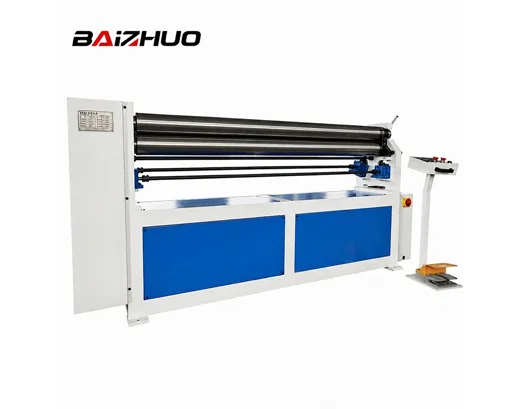
When upgrading heavy metal fabrication setups, deciding between a 3-roller plate rolling machine and a 4-roller plate rolling machine is a critical choice for workshop managers. Choosing the wrong configuration can lead to low production efficiency, inaccurate cylinder ovality, or massive material waste on the sheet edges.
As one of the professional plate rolling machine manufacturers in China, Nantong Baizhuo CNC Machine Tool Co., Ltd. (BAIZHUO) has compiled this technical buying guide to break down the core mechanical differences and help you choose the most profitable machine for your factory floor.
1. Core Mechanical Differences & Working Principles
The fundamental difference between a 3-roller and a 4-roller bending roller lies in the number of rollers, clamping structure, and how they achieve sheet "pre-bending".
3-Roller Plate Rolling Machine
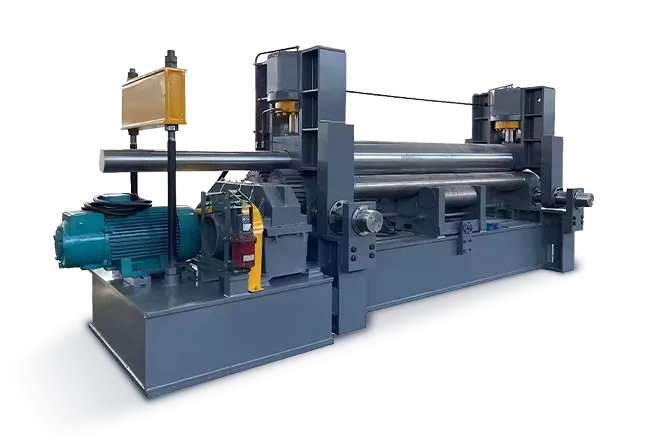
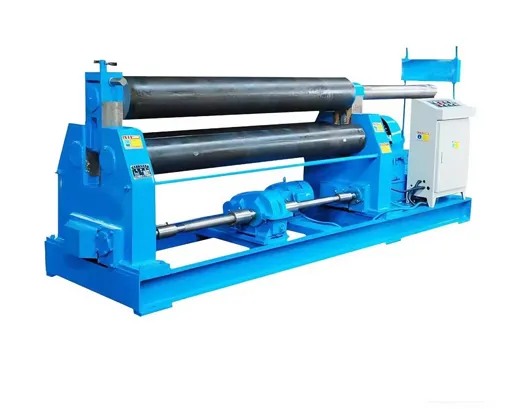
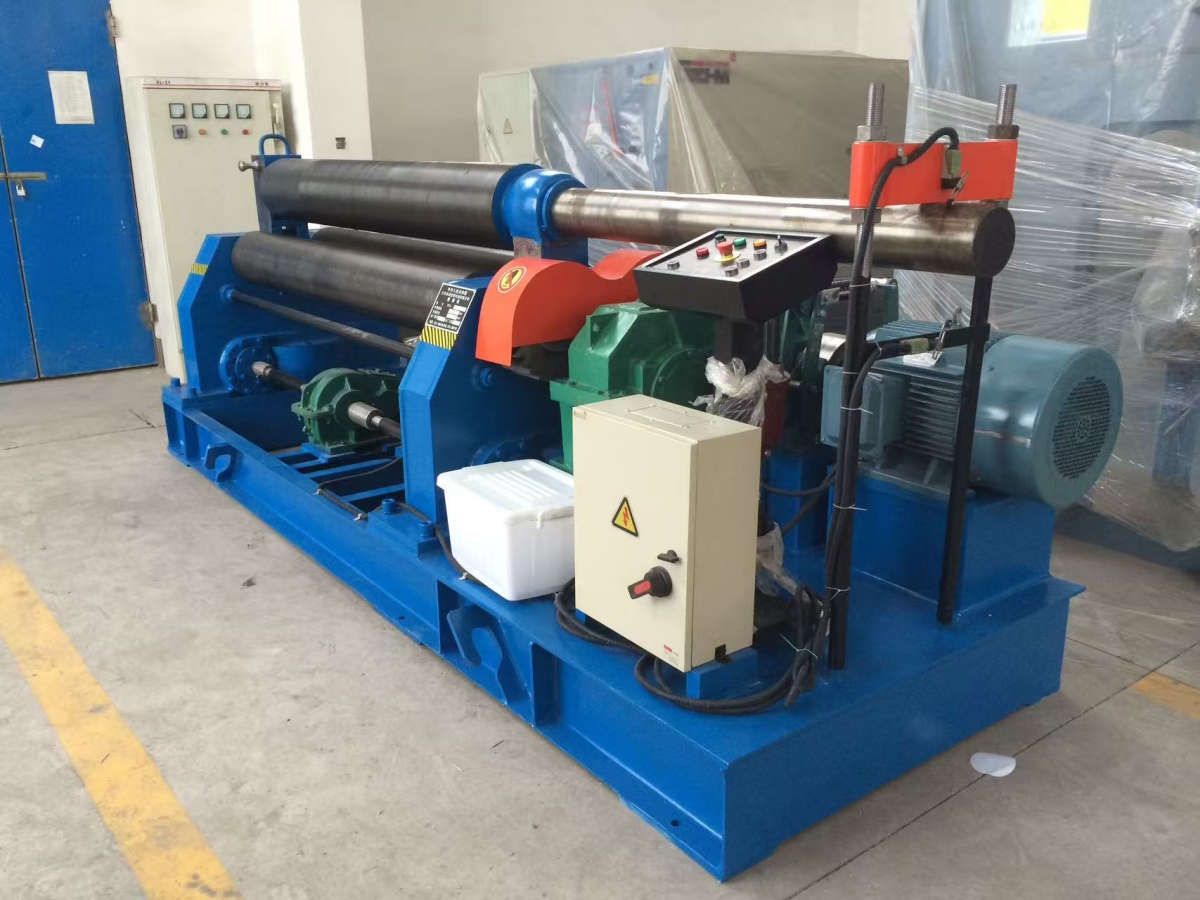
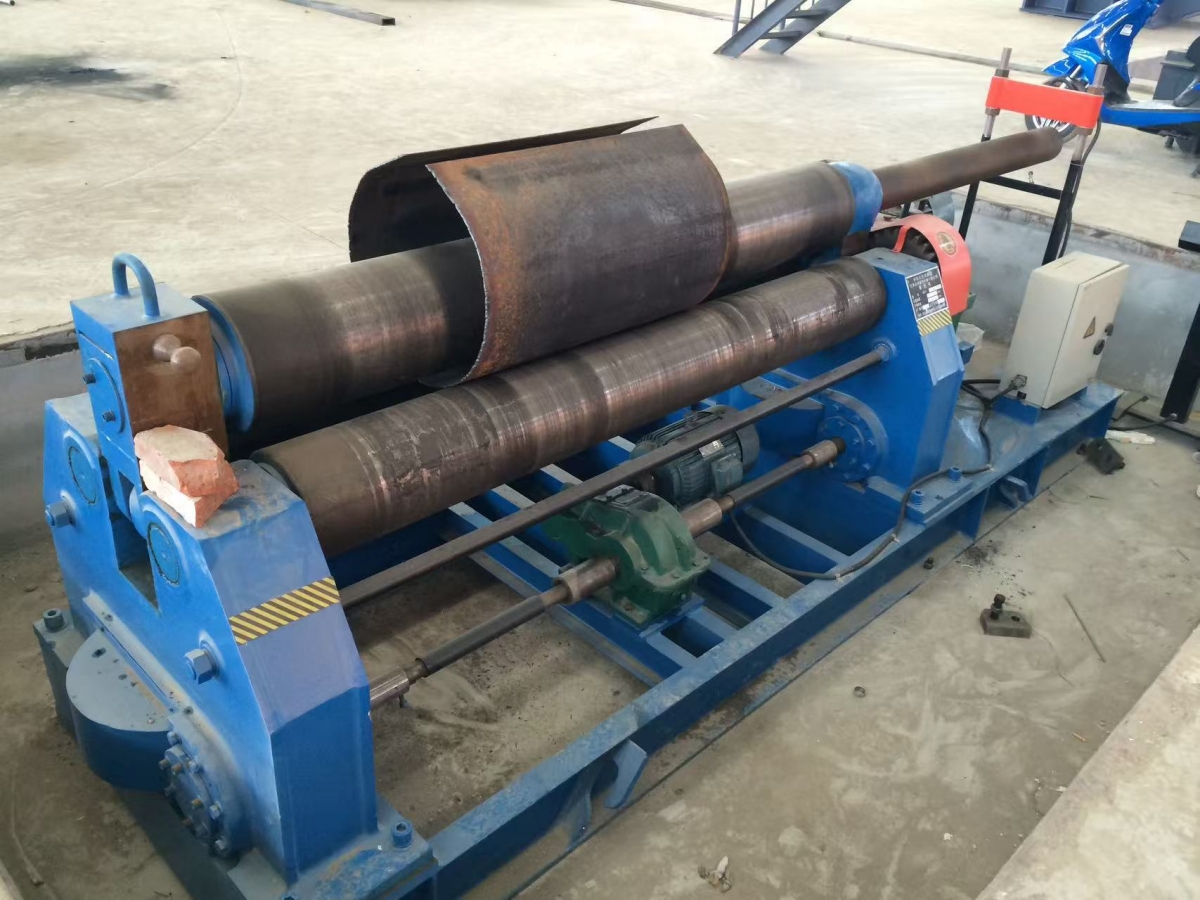
A standard 3 roller plate bending machine (whether symmetrical or asymmetrical) features one top roller in a fixed position and two bottom rollers that adjust vertically or horizontally.
The Pre-bending Gap: Because of this geometric layout, a 3-roller machine cannot fully grip the very leading edge of a metal plate. This creates a prominent unbent flat section (commonly called the "flat end" or "blind zone") at both edges of the sheet, measuring roughly $1.5\text{ to }2$ times the lower roller's radius.
The Solution: Operators must pre-bend the plate edges using an external press brake beforehand, or roll the plate first and manually trim the flat ends later, which wastes both material and labor.
4-Roller Plate Rolling Machine
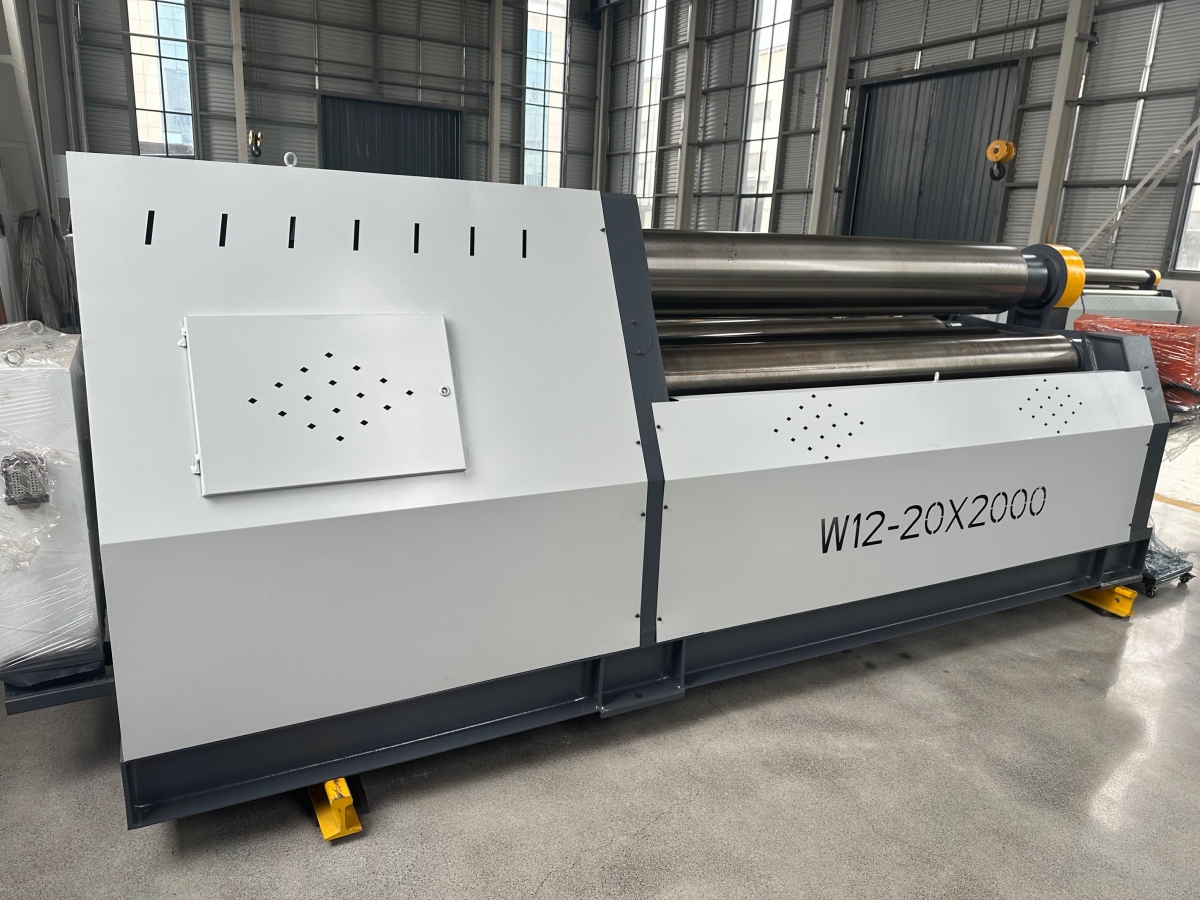
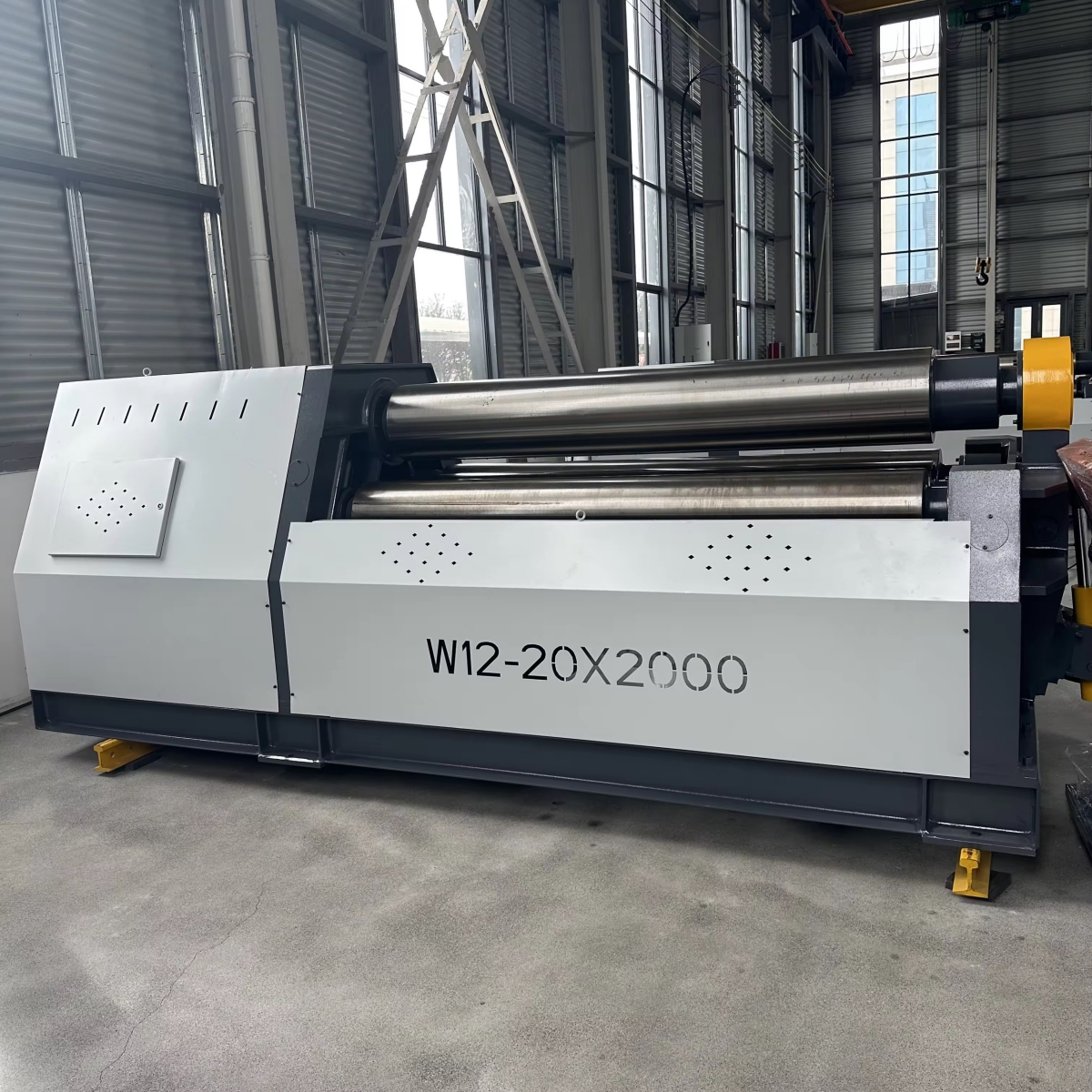
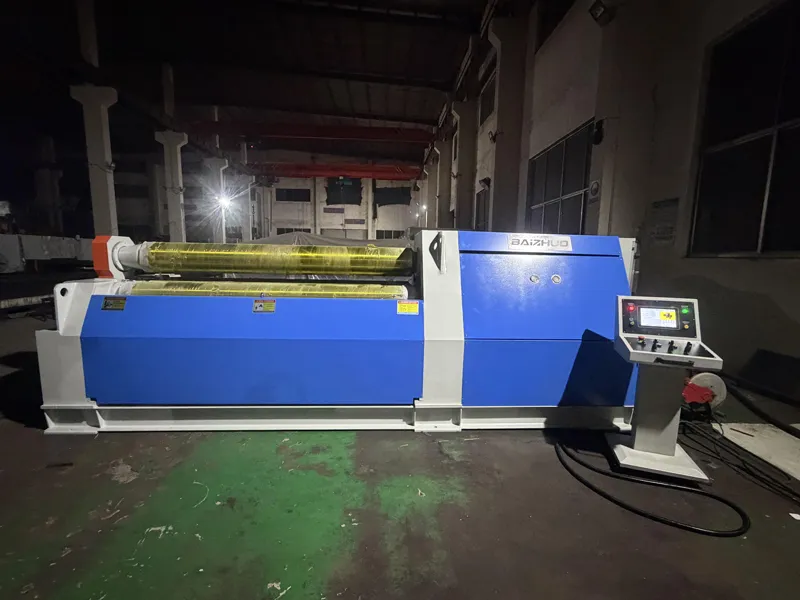
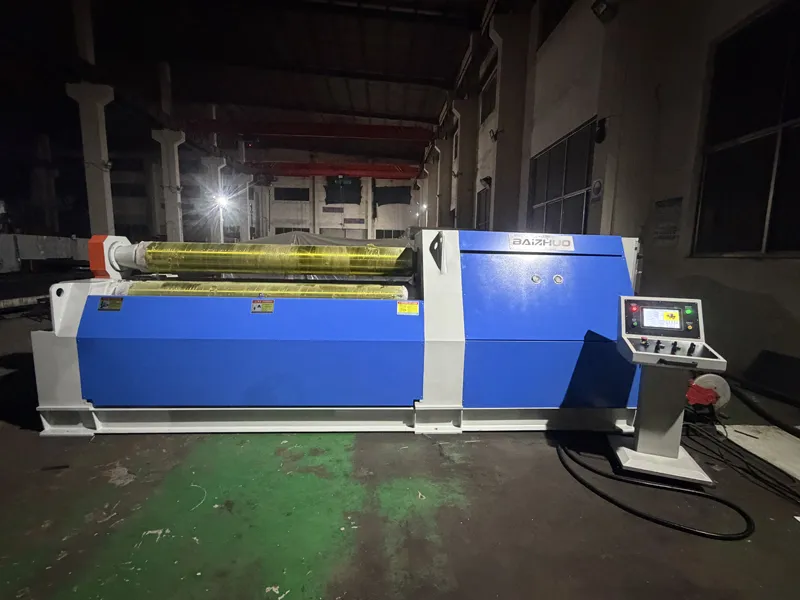
A four roll plate bending machine integrates a top roller, a bottom clamping roller, and two side rollers on moving guides.
Built-in Double Pre-bending: The top and bottom rollers act as a powerful automatic vise, locking the sheet metal securely in place. The side rollers then move upward on an arc or linear incline to perform precision dual-sided pre-bending.
The Solution: The plate is loaded just once. The machine pre-bends the front edge, rolls the entire cylinder body, and pre-bends the trailing edge in a single, continuous pass without turning the plate around. The remaining flat edge is minimized to just $1.5\text{ to }2$ times the plate thickness.
2. Technical Performance Comparison
To help your procurement team visualize the ROI (Return on Investment) of both systems, review this structured comparison matrix:
Feature & Performance 3-Roller Bending Machine 4-Roller CNC Bending Machine
Feeding & Handling Requires manual plate turning & multi-alignment; lower throughput. Single-pass feeding, no plate turnaround needed; high throughput.
Pre-Bending Capability Limited; leaves wider flat ends requiring external press pre-bending. Excellent; built-in dynamic dual-sided pre-bending with minimal waste.
Precision & Ovality Highly dependent on operator experience and manual tracking. CNC-driven synchronization; superior cylinder roundness and repeatability.
Cone Rolling Capability Demanding mechanical tilting setup; relies heavily on expert operators. Side rollers tilt independently via hydraulic CNC control; ideal for cones.
Initial Investment Cost Lower; cost-effective for customized, low-volume job shops. Higher; comes standard with advanced hydraulic and CNC automation systems.
3. Buying Guide: How to Select the Ideal Rolling Machine?
When choosing between these two systems, evaluate your shop's needs across these 3 core dimensions:
Dimension 1: Evaluate Part Tolerance and Edge Requirements
If your factory fabricates pressure vessels, high-pressure tanks, wind towers, or laser-welded pipes that demand tight ovality tolerances without secondary manual trimming, a 4-roller machine is non-negotiable.
If you are rolling structural components (such as heavy pipeline supports, base rings, or infrastructure casing) where flat ends can be easily trimmed or welded without structural risks, a 3-roller machine provides excellent value.
Dimension 2: Analyze Labor Costs & Production Volume
Go with 4-Roller: If you operate in markets with high labor costs or are dealing with tight delivery timelines. When paired with a CNC controller, a 4-roller system allows a single operator to run an automated rolling cycle with "one-button" start, drastically lowering dependency on high-skilled labor.
Go with 3-Roller: If your facility runs small-batch, customized fabrication where you only roll a few plates a day and have an experienced technician who can manually adjust the feeding strokes.
Dimension 3: Check Material Thickness and Surface Type
Thin Sheets ($<6\text{mm}$) or Polished Stainless Steel/Aluminum: Choose a 4-roller unit. Thin sheets tend to slip in 3-roller configurations, whereas the constant clamping pressure of a 4-roller machine prevents slippage and surface scratching.
Heavy-Duty Thick Plates ($>50\text{mm}$): If budget is limited, heavy horizontal down-adjustment 3-roller machines remain highly reliable and cost-effective in heavy industries like shipbuilding and mining.
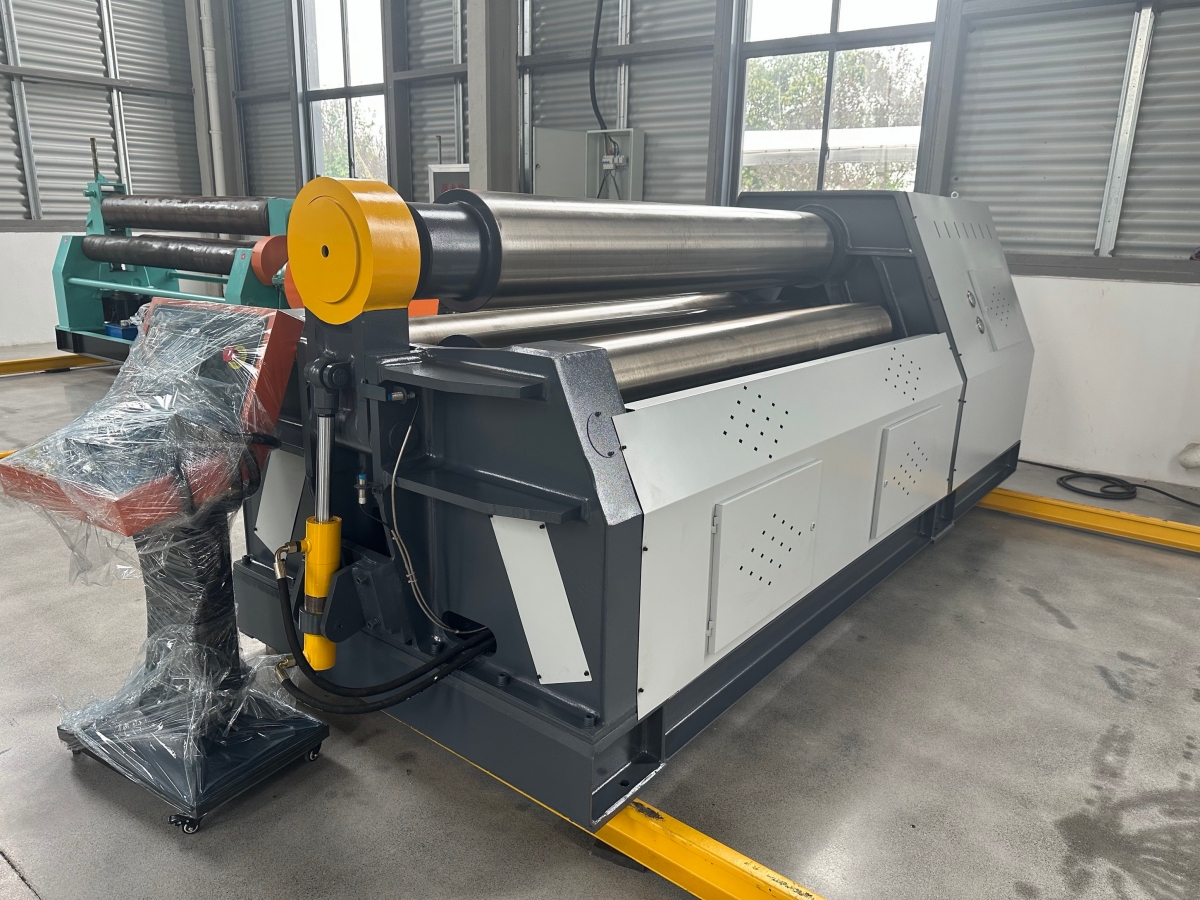
How to Tell a 3-Roller vs. 4-Roller Plate Rolling Machine Apart by Appearance
When browsing factory floors or machinery catalogs, experienced procurement managers and workshop engineers don't even need to look at a spec sheet to distinguish between a 3-roller bending machine and a 4-roller CNC plate rolling machine. Their external structures and geometric profiles are completely different.
If you are evaluating suppliers or trying to identify a machine on a shop floor, here are the 3 most obvious visual differences to look for from the front and side views:
1. The Front View: The Roller "Formation and Alignment"
The quickest way to identify the machine is to stand directly in front of the working area and count the rollers and their geometric layout:
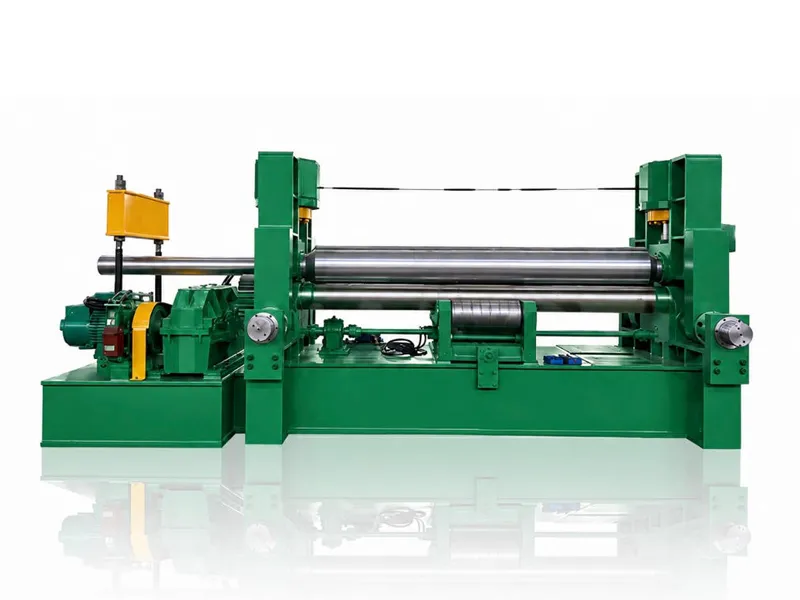
3-Roller Plate Rolling Machine (The "Pyramid / Triangle" Profile):
When looking straight at the machine, you will see exactly three heavy-duty rollers.
They are arranged in a classic symmetrical triangle (pyramid) formation. There is one top roller centered perfectly above two horizontally aligned bottom rollers. If you imagine a line connecting the centers of the three shafts, it forms a distinct triangle.
4-Roller Plate Rolling Machine (The "Vertical Vise + Flank" Layout):
Looking at a 4-roller machine, the central area looks much more packed because there are four distinct rollers.
Its signature visual trait is the central vertical pair: the top roller and the main bottom roller are aligned perfectly over one another, pressing together like a giant motorized vise to clamp the plate. Flanking this central pair on the far left and right are two slightly lower side (lateral) rollers.
2. The Side View: The Profile of the "Sliding Guide Framework"
To bend heavy steel plates, the rollers must move under immense hydraulic force. The machined tracks or guide slots on the heavy-duty side frames (housing/side structures) create highly distinct visual patterns:
3-Roller Bending Machine (Vertical or Straight Linear Tracks):
On a standard symmetrical 3-roller machine, you will notice a single, prominent vertical "I"-shaped slide track or a large hydraulic cylinder exposed at the very top center of each side frame. This mechanism moves the top roller straight up and down.
On a horizontal down-adjustment 3-roller machine, the side frames will instead feature robust horizontal or slightly angled linear guide rails near the bottom to move the lower rollers inward and outward.
4-Roller Bending Machine (The Unique "Inverted V" or "Arc" Rocker Tracks):
If you look at the side frame of a 4-roller unit, the central bearing housings for the clamping rolls are fixed, but on the left and right flanks, you will see two distinct, angled or curved guide slots forming an inverted "V" shape ($/ \backslash$) or a banana-shaped arc.
These stylized, high-tech-looking tracks guide the lateral side rollers as they swing up and inward to execute precise dual-sided plate pre-bending.
3. The Discharge End: The Design of the Hydraulic "Drop End"
Once a steel plate is successfully rolled into a complete, closed cylinder, the finished workpiece must be removed from the machine. The mechanism at the drop end (the side frame that tilts open) presents clear aesthetic differences:
On a 3-Roller Machine: Because there are only three support points, the top roller bears massive upward cantilever force during rolling. Consequently, the hydraulic drop-end housing is usually massive, and the back-end of the top roller often extends far past the rear frame, equipped with a heavy counter-balance tail structure to keep the shaft stable when the drop-end opens.
On a 4-Roller Machine: When the rolling cycle finishes, the lower clamping roller and both side rollers can retract fully downward, allowing the finished steel cylinder to rest stably on the lower bed. Because the cantilever load on the top shaft is distributed more evenly, the hydraulic drop-end mechanism on a 4-roller machine is typically sleeker, more compact, and neatly integrated into the streamlined chassis.

 English