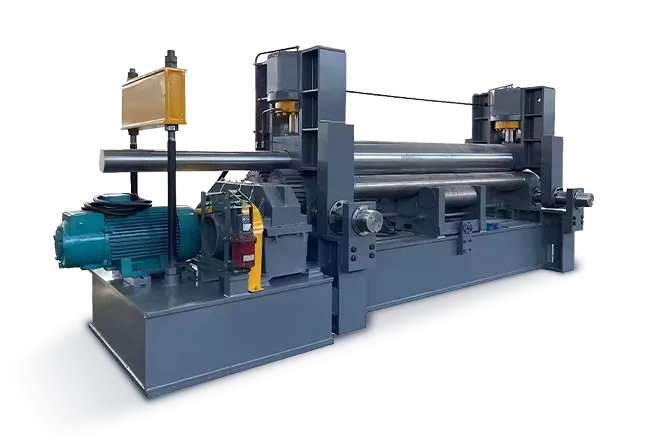
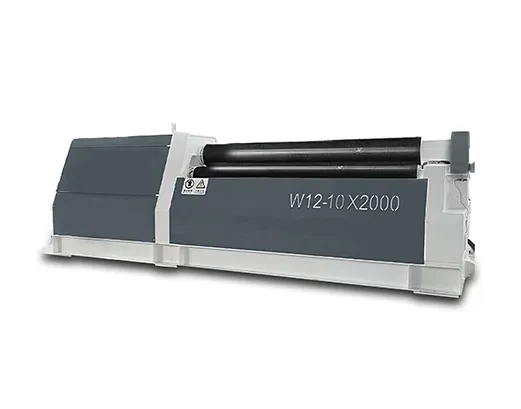
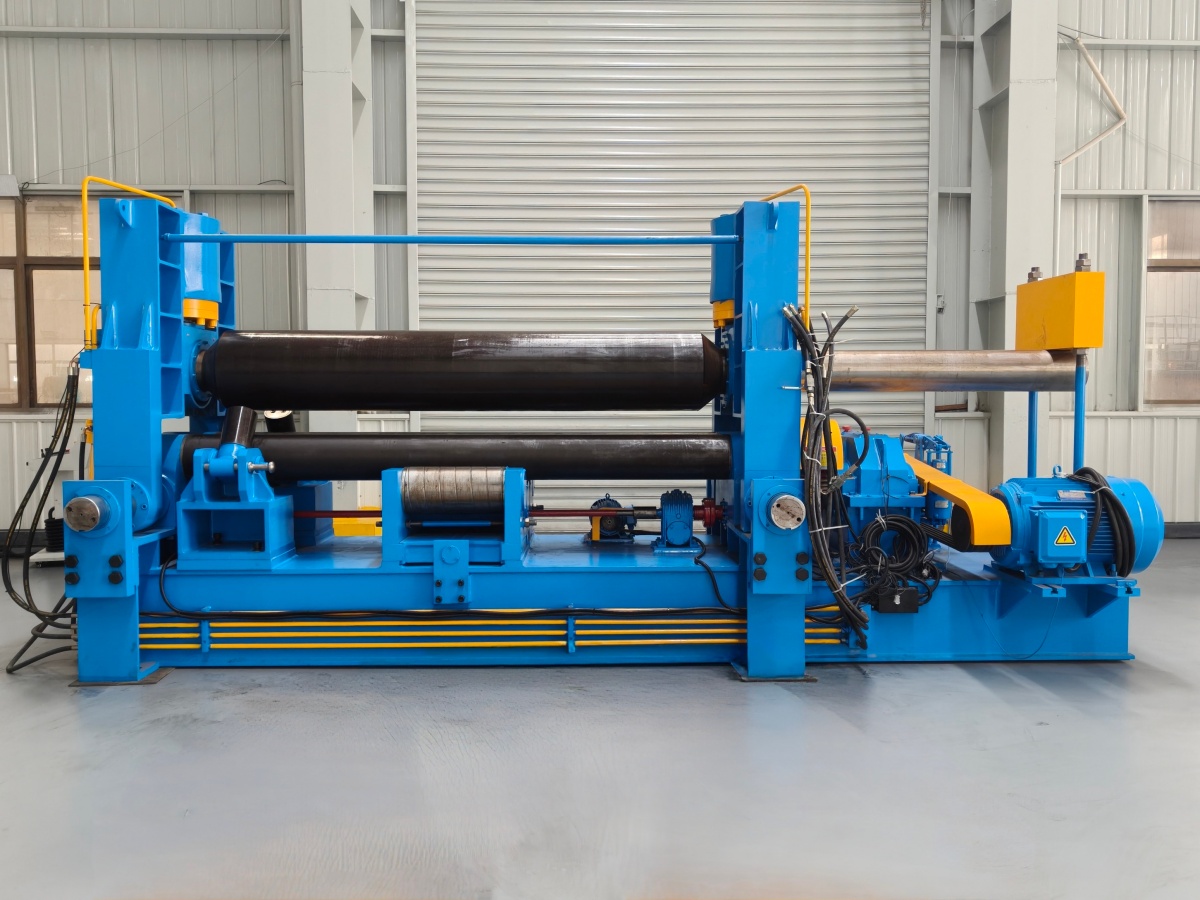
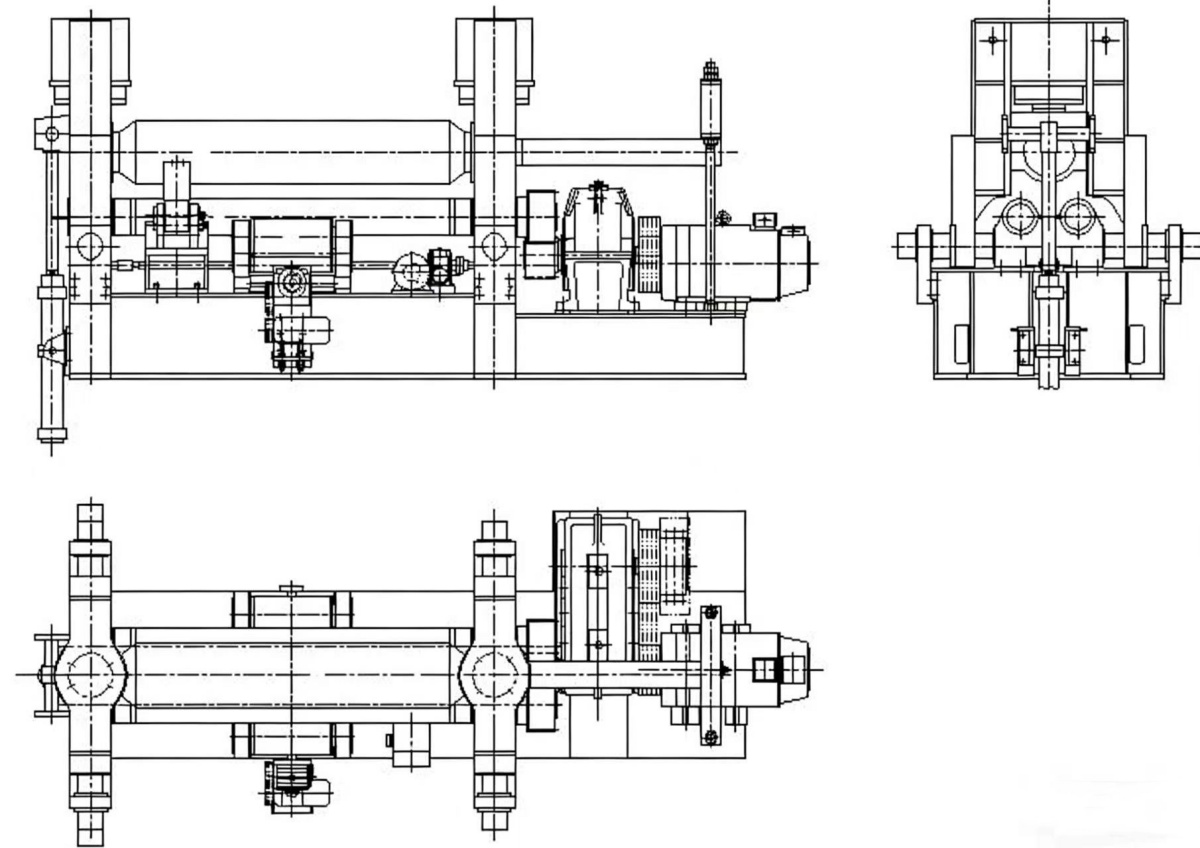
Operating a 3-roller plate bending machine (also referred to as a 3-roller plate rolling machine) demands absolute precision and strict adherence to workshop safety standards. Whether you run a mechanical pyramid style or a hydraulic variable-position machine, skipping standard operating steps can damage the equipment or cause severe workplace accidents.
As a premier manufacturer of heavy-duty industrial forming machinery, Nantong Baizhuo CNC Machine Tool Co., Ltd. (BAIZHUO) has structured this comprehensive handbook based on real-world factory workflows. Follow these four phases to ensure peak bending accuracy and maximize the service life of your machine.
1. Crucial Pre-Start Inspection & Safety Protocols
Before initiating the main electrical isolator or turning on the hydraulic pump motor, operators must execute these non-negotiable inspection steps:
Clear the Working Envelope: Walk around the rolling mill. Ensure the entire perimeter is completely clear of debris, scrap metal, unrolled plates, or unauthorized personnel.
Verify Centralized Lubrication: Heavy-duty rolling generates immense pressure between components. Check all sliding tracks, open gear meshes, and bearing journals.
The BAIZHUO Advantage: While many standard machines require tedious manual greasing, BAIZHUO 3 roller plate bending machine features an integrated centralized lubrication system to ensure all critical friction pairs are automatically oiled before startup.
Inspect Safety Guarding & Limits: Physically verify that the red emergency stop punch-buttons function correctly. Ensure that all mechanical limit switches controlling the maximum stroke of the rollers are clean, responsive, and unobstructed.
2. Step-by-Step Rolling and Forming Operation
To avoid structural machine overload and prevent plate deformation (such as out-of-roundness or twisting), strictly implement the following multi-pass workflow:
Step 1: Plate Prep & Square Alignment
Ensure the metal plate is clean of thick rust, heavy mill scale, or welding slag. Feed the plate between the open rollers, tracking it to ensure its leading edge is perfectly square to the longitudinal centerlines of the lower rolls. If loaded crookedly, the plate will roll into a defective spiral cone.
The BAIZHUO Advantage: To eliminate material slippage during entry, BAIZHUO’s lower drive rollers undergo specialized induction hardening and feature high-traction knurled surfaces.
Step 2: Managing Pre-Bending and Flat Ends
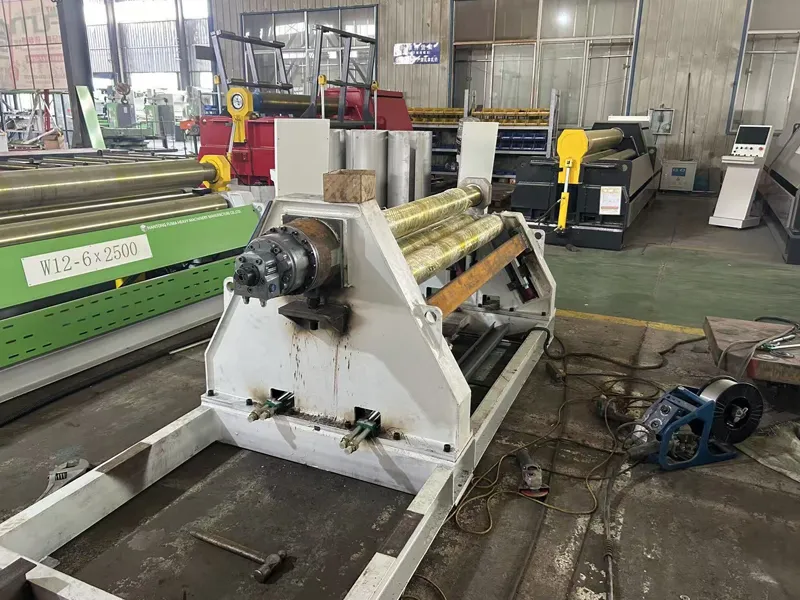
Because symmetrical 3-roller machine profiles cannot bend the very tip of the metal plate where it loses leverage between the rolls, an unbent flat end (blind zone) is inevitable. Operators must carefully step-feed the plate, utilizing small downward strokes of the top roller to stamp-form the profile, or pre-form the sheet edges on an external press brake prior to loading.
Step 3: Multi-Pass Incremental Pressing
Never attempt to crush a heavy steel plate down to the final target diameter in a single pass. Doing so will spike the hydraulic system pressure, strain the main motor, and risk twisting the chassis. Always apply load over multiple, progressive passes—down-adjusting the top roller slightly, rolling the cylinder forward, reversing, and down-adjusting further until the exact target radius is met.
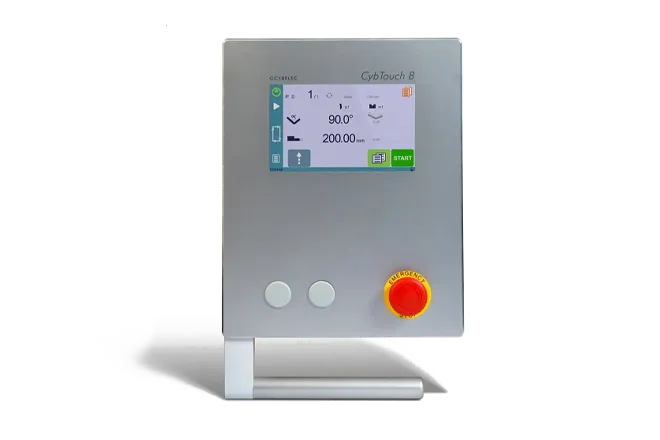
The BAIZHUO Advantage: To take the guesswork out of multi-pass rolling, BAIZHUO machines can be equipped with high-precision Digital Readouts (DRO) or smart PLC touchscreen displays, allowing operators to monitor roller positioning down to $0.1\text{mm}$.
3. Material Discharge & Drop-End Safety Rules
Safely removing a completely rolled, closed steel cylinder requires following a precise mechanical sequence to keep the upper cantilever shaft perfectly stable:
1. Decompress the Working Rolls: Move the lower assemblies or side guides downward to entirely transfer the workpiece's dead weight onto the lower chassis bed, releasing the clamping forces on the upper shaft.
2. Lock the Rear Tail Balance: Confirm that the automated hydraulic counter-balance cylinder is firmly engaged on the extended rear tail sleeve of the top roller. This ensures the heavy upper shaft remains perfectly horizontal in mid-air when the support frame is opened.
3. Actuate the Hydraulic Drop End: Lower the front hinged bearing housing (drop end) out of the way. The operator can then safely pull the completed steel cylinder forward off the cantilevered top roller without any tilting hazards.
4. Comprehensive Machinery Maintenance Checklist
Post-Shift Slag Clearance: Scale dust and oxide particles act as severe abrasives. Wipe down the faces of all three rollers and clean the sliding guides at the end of every work day to preserve the hardened roll finish.
Hydraulic System Fluid Care: Monitor the hydraulic oil condition via the site glass. Flush and replace the main reservoir's hydraulic fluid after the first 500 operating hours (break-in phase), and then every 2,000 operational hours to maintain peak valve responsiveness.
Scale Your Manufacturing Precision with BAIZHUO
From standard mechanical 3-roller options to highly automated CNC 4-roller heavy-duty production setups, Nantong Baizhuo CNC Machine Tool Co., Ltd. builds rugged equipment engineered for global export markets. Our stress-relieved heavy-duty frames and premium hydraulic valves ensure consistent performance under maximum load.
Contact our factory application engineers today with your material types, maximum plate widths, and target dimensions to receive an optimized production quote!

 English