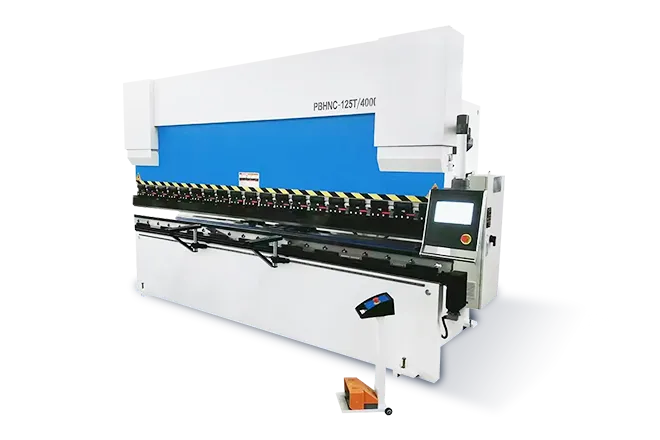
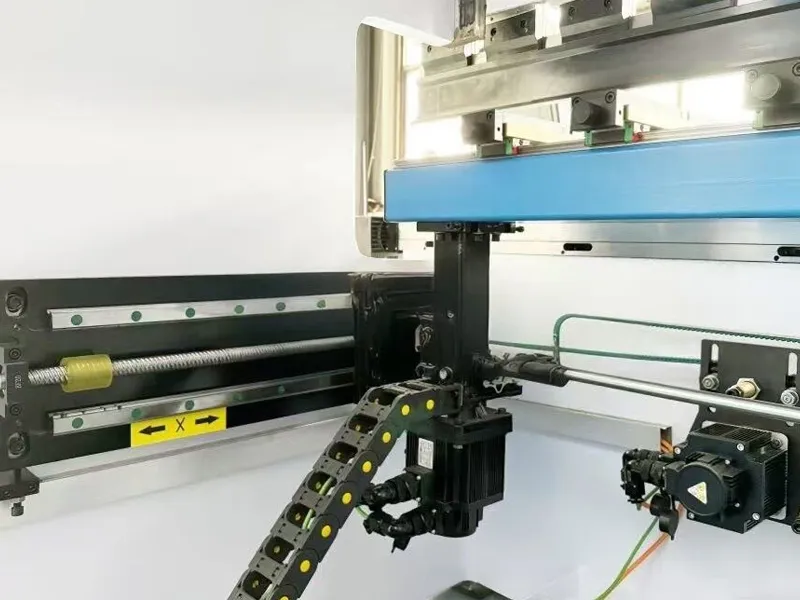
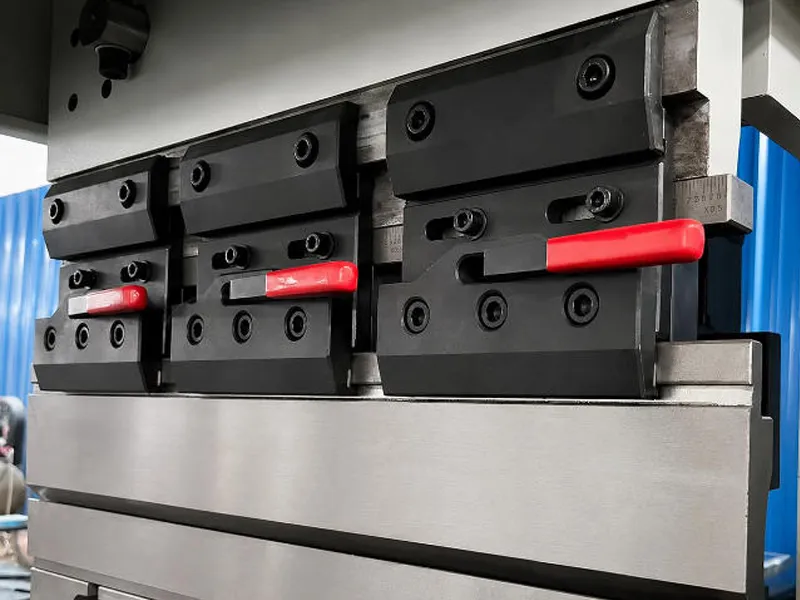
The proportional valve is one of the most critical hydraulic components in a CNC press brake. It directly affects bending accuracy, Y-axis synchronization, hydraulic pressure stability, and overall machine performance.
Regular maintenance of the hydraulic system can significantly extend the service life of the proportional valve and reduce unexpected downtime.
Safety Precautions Before Disassembly
Before disassembling the proportional valve, always complete the following steps:
1. Completely shut down the machine power
2. Release all hydraulic system pressure
3. Clean the area around the valve body
4. Wear safety gloves and protective goggles
5. Prepare clean maintenance tools and containers
Hydraulic systems operate under high pressure. Incorrect operation may cause component damage or personal injury.
Tools Required for Proportional Valve Repair
Prepare the following tools before starting maintenance:
Allen wrench set
Torque wrench
Multimeter
Clean hydraulic oil
Dust-free wiping cloth
Hydraulic cleaning fluid
Screwdrivers
Soft cleaning brush
For high-precision proportional valves, professional hydraulic cleaning methods are strongly recommended.
Step-by-Step CNC Press Brake Proportional Valve Disassembly Guide
Step 1: Shut Down the Hydraulic System
Turn off the main power supply of the CNC press brake and fully release hydraulic pressure before maintenance.
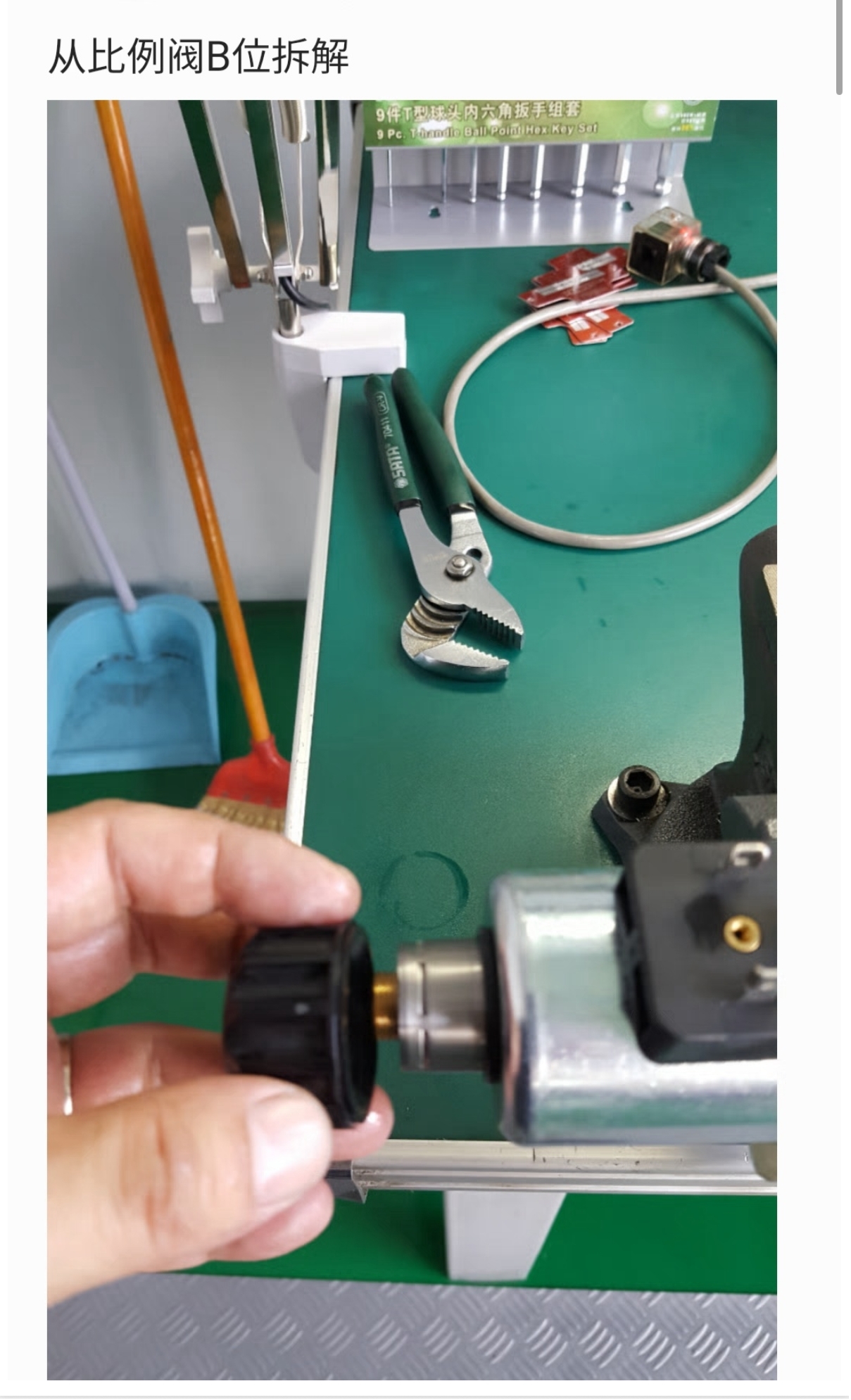
Step 2: Mark All Electrical Connections
Before disconnecting wires, label all electrical connections carefully to avoid wiring mistakes during reassembly.
Pay special attention to:
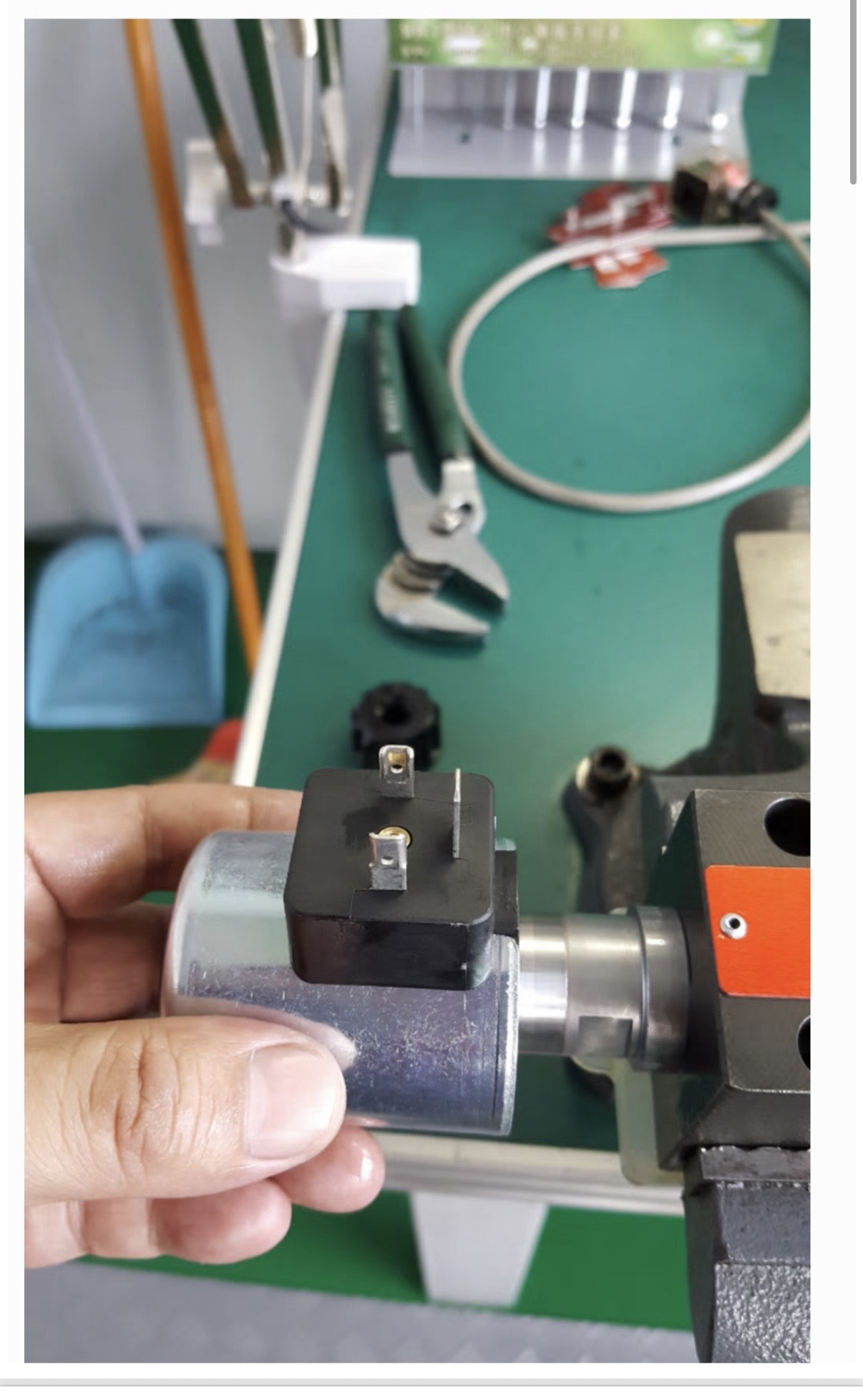
Step 3: Remove the Solenoid Coil
Loosen the fixing nut and carefully remove the proportional valve coil.
Inspect for:
Burn marks
Coil deformation
Loose connectors
Moisture or water damage
A multimeter can be used to test coil resistance.
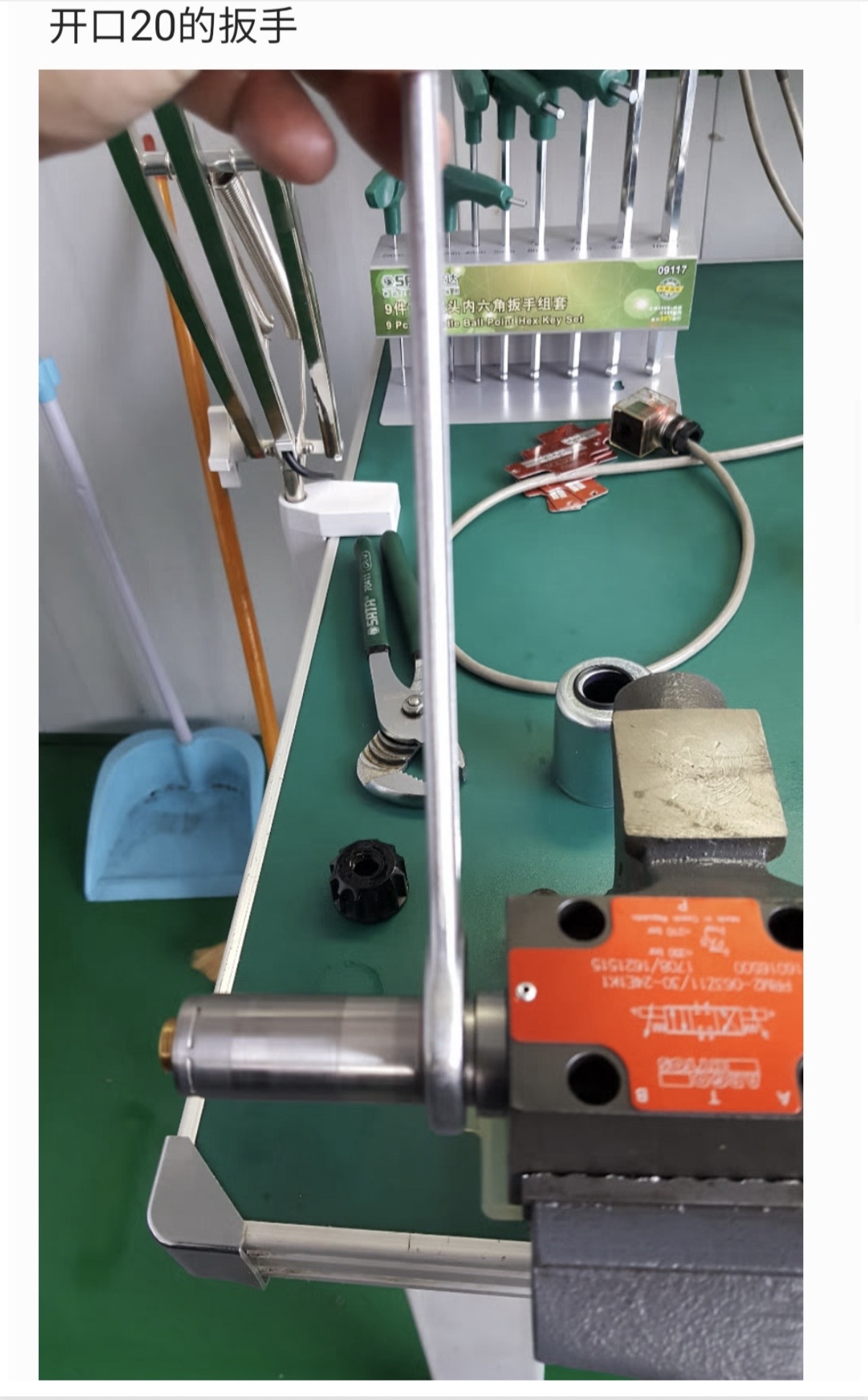
Step 4: Remove the Valve Body
Use the correct Allen wrench to evenly loosen the fixing bolts.
Avoid:
Place all removed components in a clean working area.
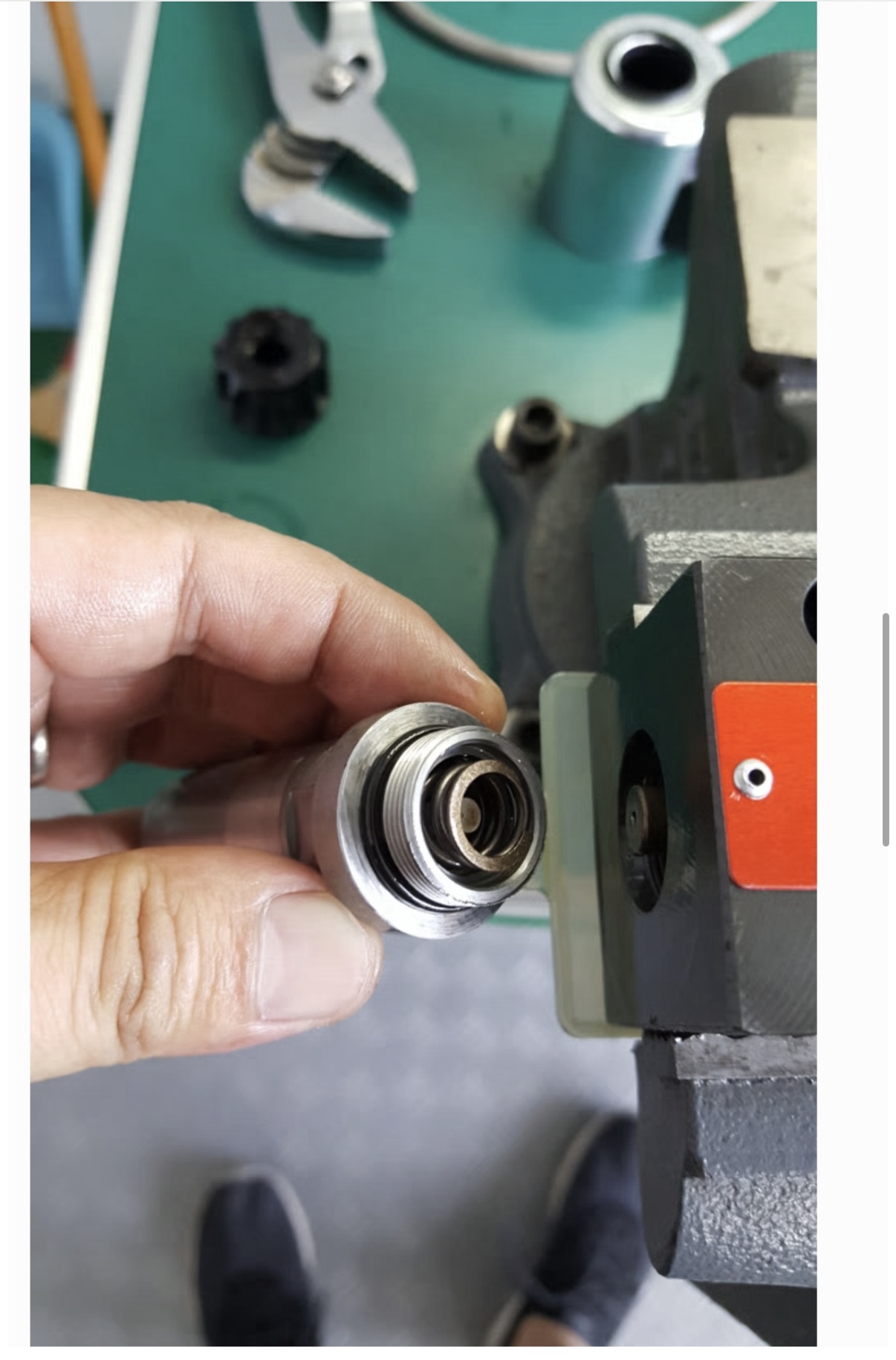
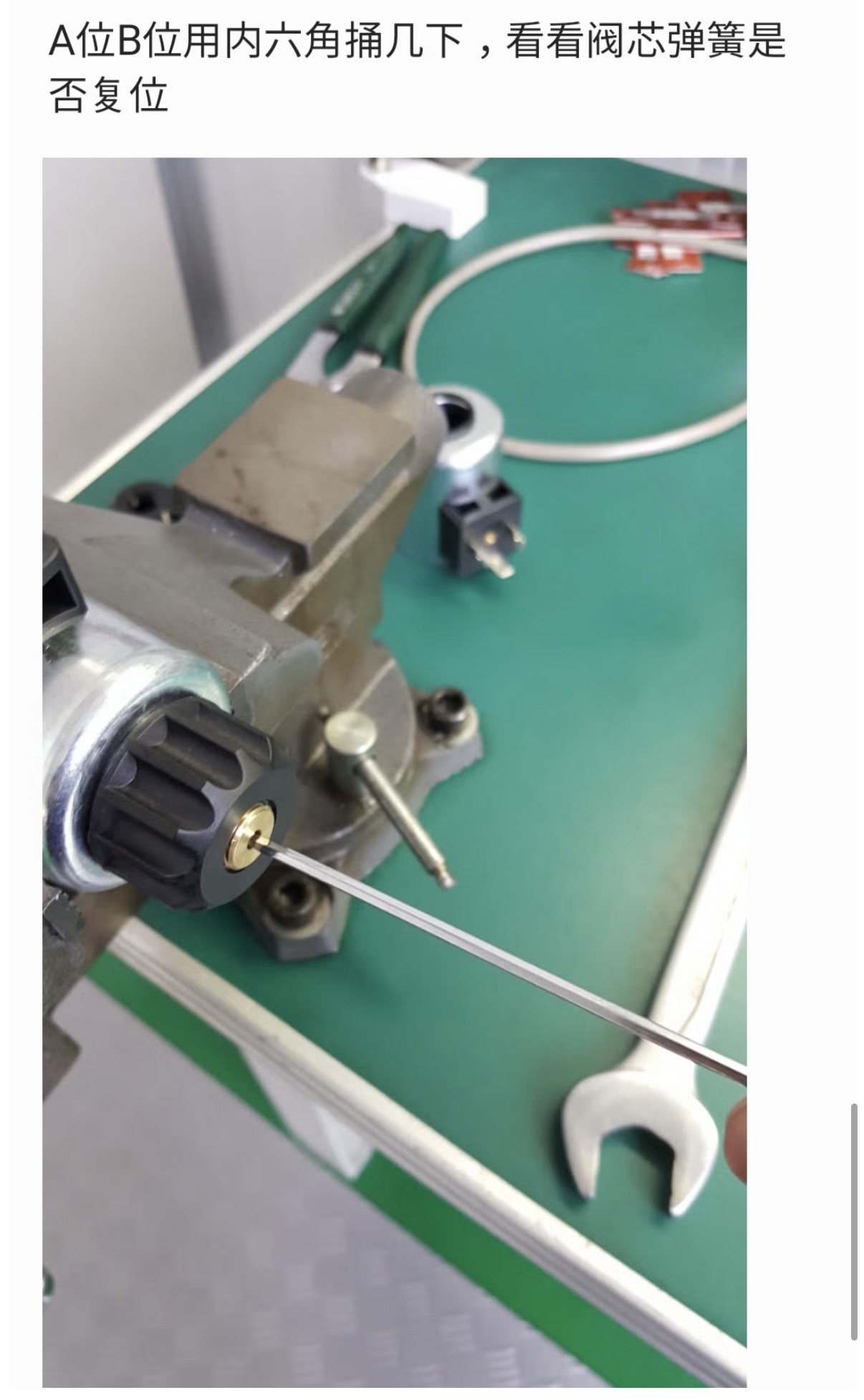
Step 5: Inspect Internal Components
Carefully inspect the valve spool and sleeve.
Check for:
Scratches
Metal debris
Oil sludge buildup
Corrosion
Abnormal wear
Even tiny contaminants can affect proportional valve accuracy.
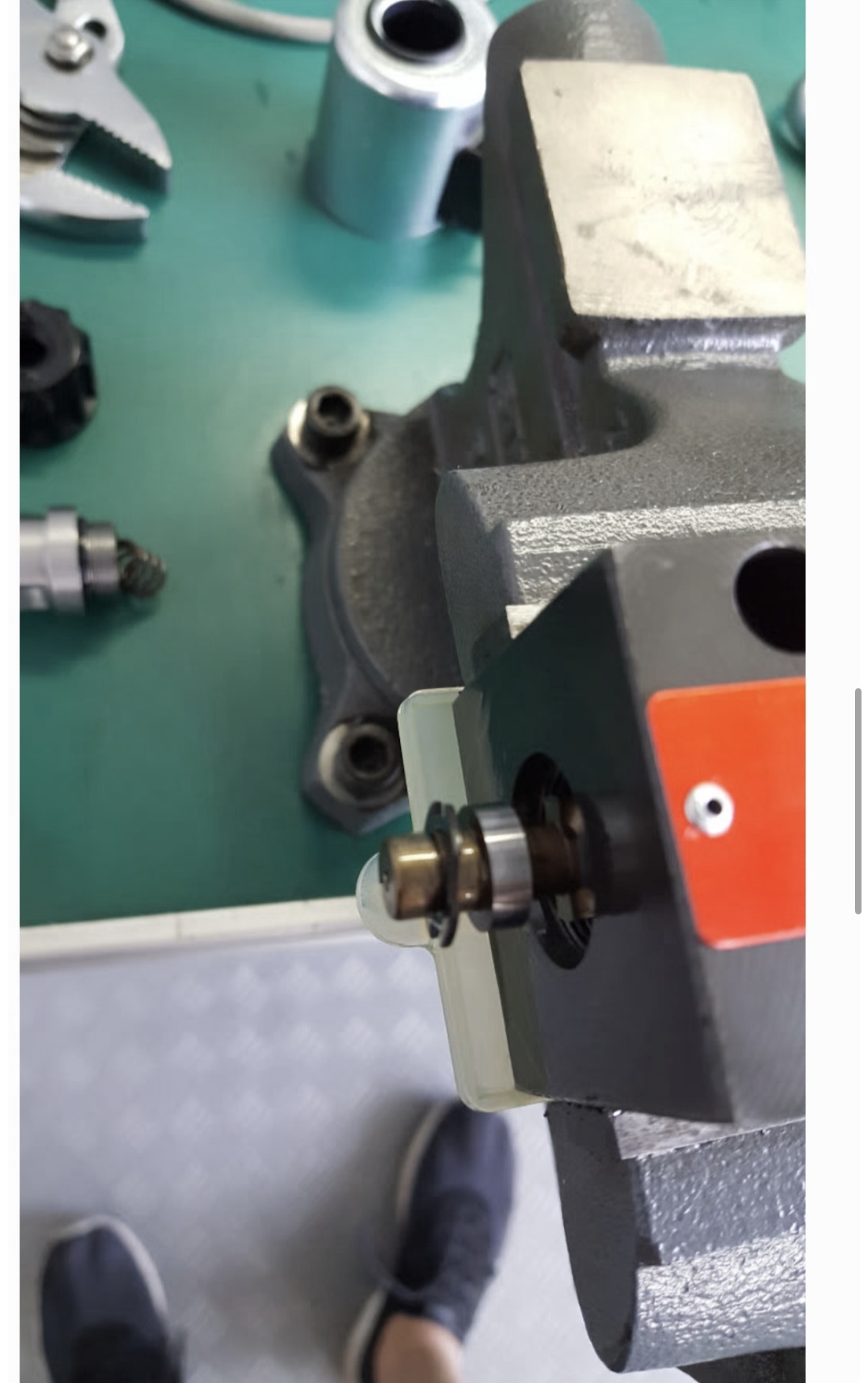
Step 6: Thoroughly Clean the Proportional Valve
Use professional hydraulic cleaning fluid for cleaning.
Never:
Carefully clean all oil passages and moving components.
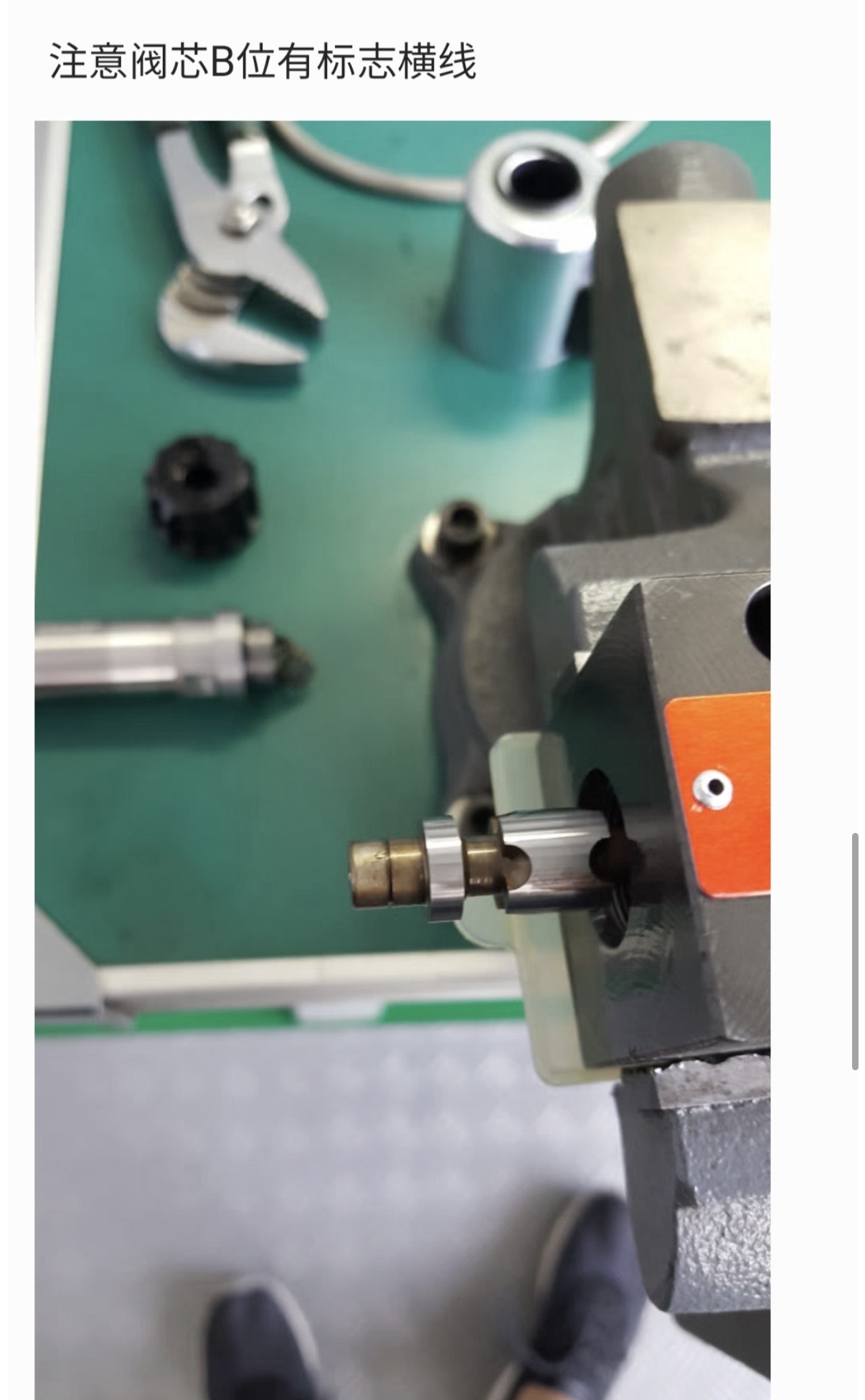
Step 7: Reassemble the Proportional Valve
Reinstall all components in the correct order.
Important points:
Incorrect installation may cause oil leakage or synchronization failure.
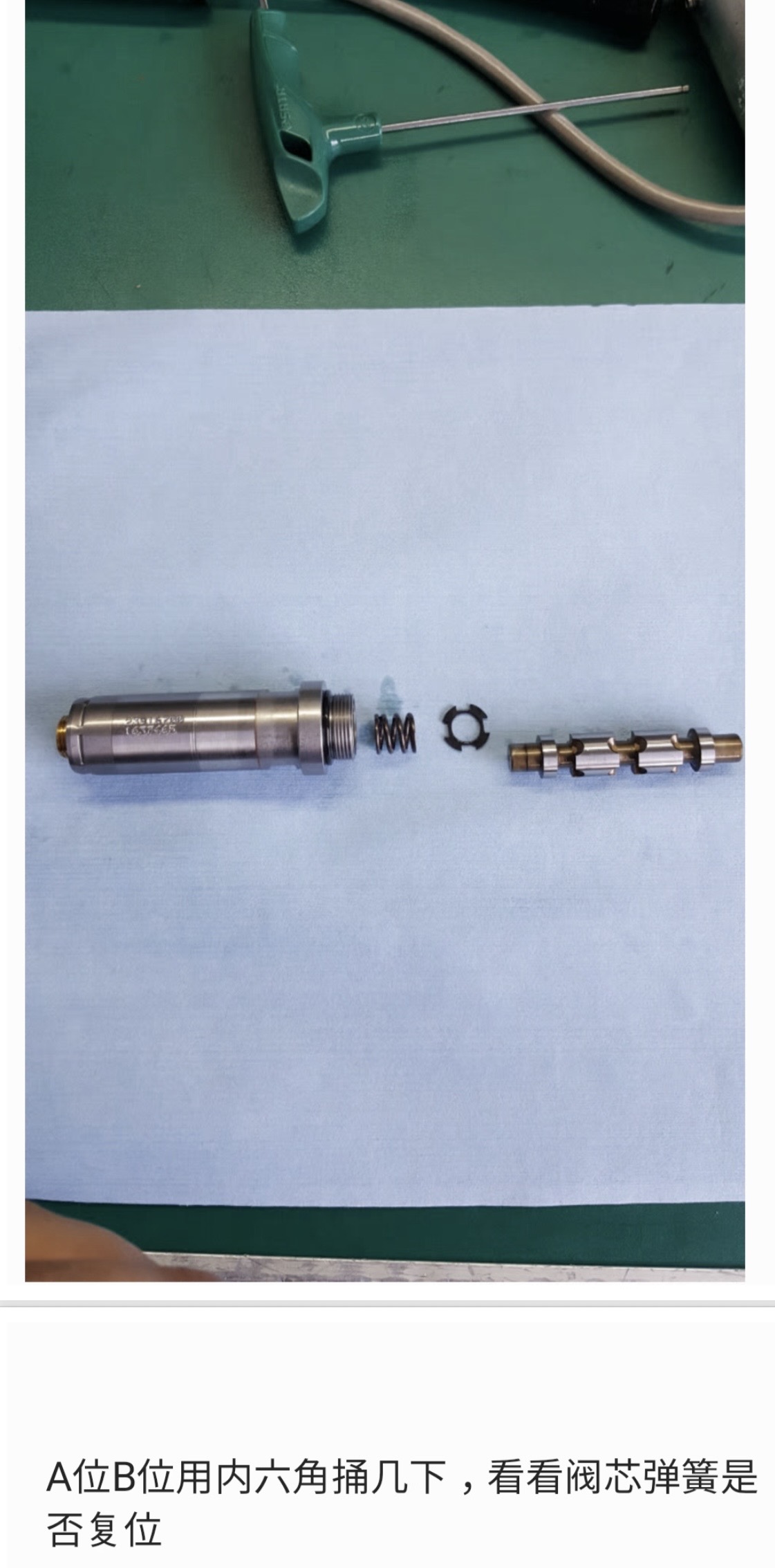
Step 8: Test the Press Brake Operation
After installation:
1. Check and refill hydraulic oil
2. Start the machine
3. Perform low-pressure testing first
4. Verify synchronization accuracy
5. Monitor hydraulic noise and pressure stability
Before returning to production, perform several test bending operations.
How to Prevent Future Proportional Valve Failures
To extend the service life of proportional valves, BaiZhuo CNC recommends the following maintenance practices:
Replace Hydraulic Oil Regularly
Contaminated hydraulic oil is one of the main causes of proportional valve failure.
Replace Hydraulic Filters Periodically
Blocked filters allow contaminants to enter precision hydraulic components.
Control Hydraulic Oil Temperature
Maintain hydraulic oil within the recommended operating temperature range.
Inspect Electrical Wiring
Loose electrical connections can affect signal stability of the proportional valve.
Calibrate the Machine Regularly
Routine calibration improves synchronization accuracy and bending consistency.
Why Choose BaiZhuo CNC Press Brakes?
BaiZhuo CNC Official Website specializes in high-precision sheet metal fabrication equipment, including:
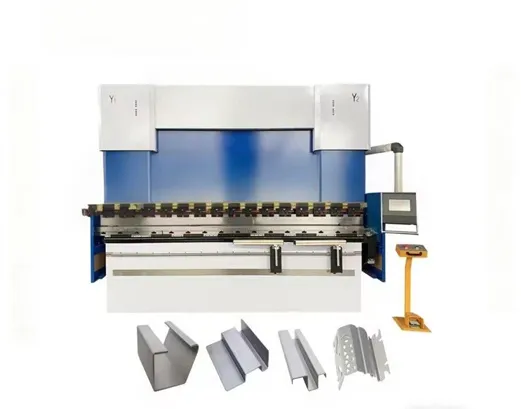
CNC hydraulic press brakes
Electro-hydraulic servo press brakes
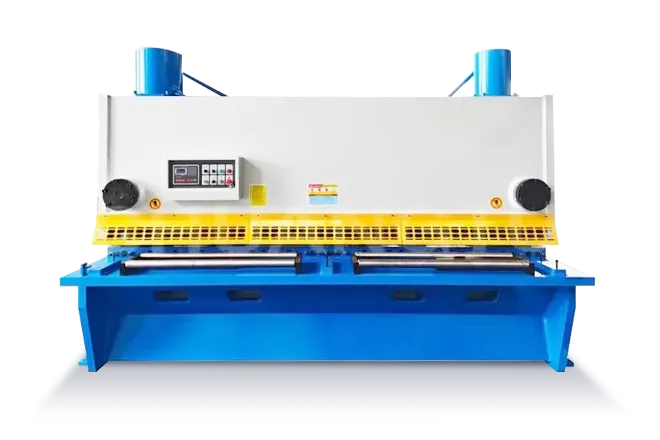
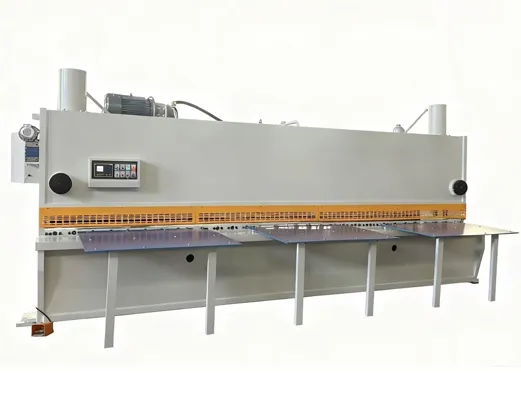
Hydraulic shearing machines
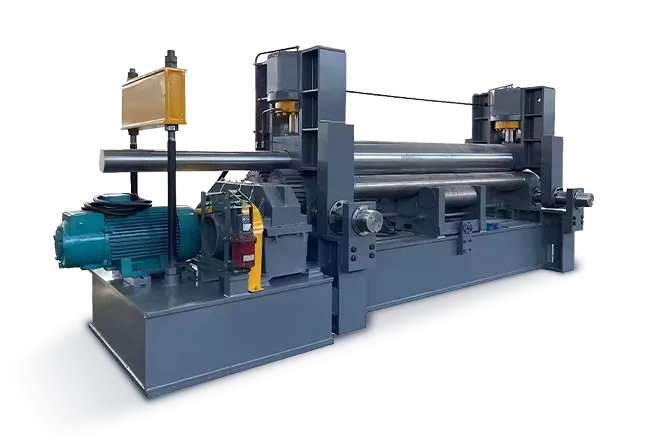
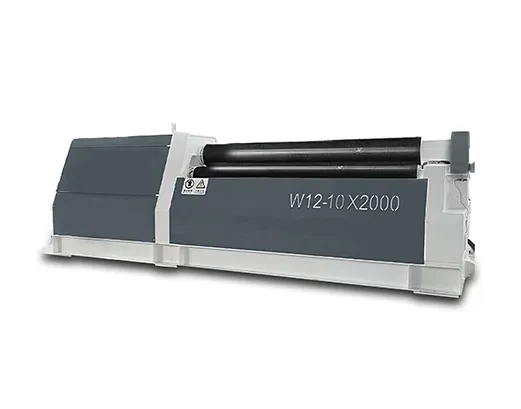
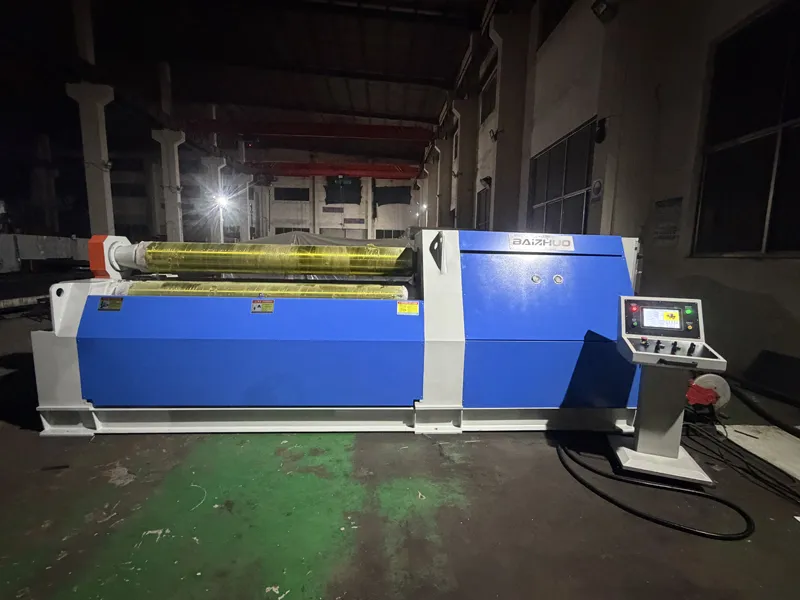
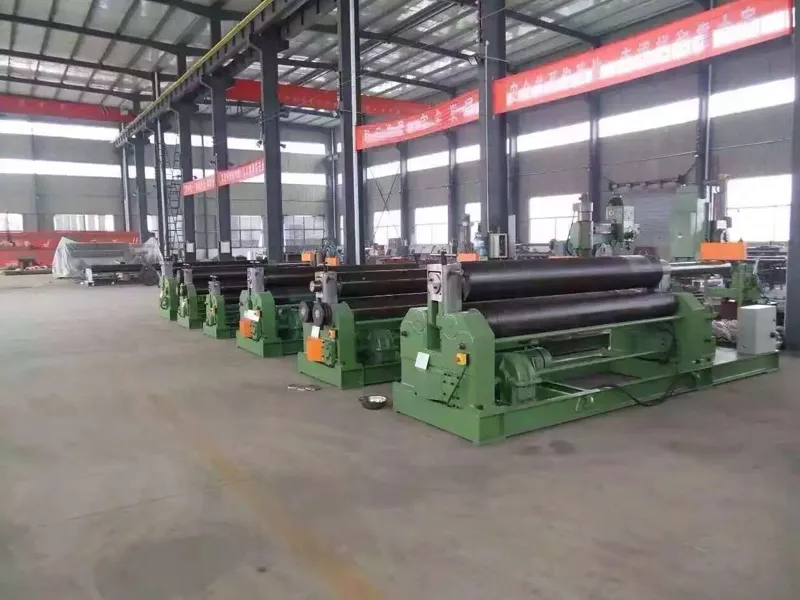
Plate rolling machines
Intelligent sheet metal automation equipment
Our machines feature:
Stable hydraulic systems
High-quality proportional valve configurations
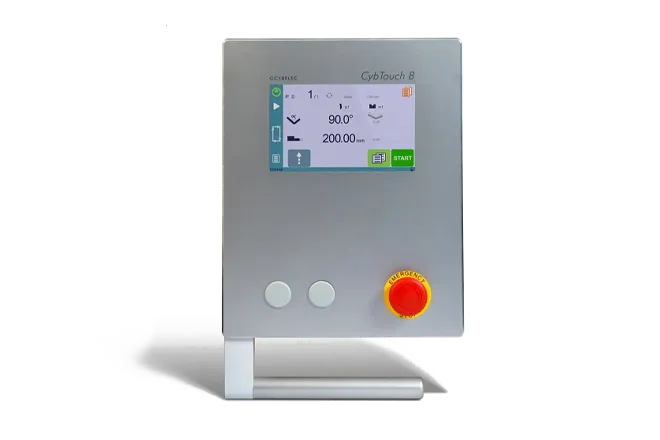
Delem CNC control systems
Energy-saving servo technology
Complete after-sales service support
BaiZhuo CNC provides professional technical support, installation service, and operator training for customers worldwide.
Frequently Asked Questions (FAQ)
Can a proportional valve be repaired, or must it be replaced?
Yes. If the issue is caused by contamination or spool sticking, cleaning and maintenance can often restore normal operation.
How often should hydraulic oil be replaced?
Generally, hydraulic oil should be replaced every 2,000–4,000 operating hours, depending on working conditions.
What causes synchronization errors in CNC press brakes?
Common causes include:
Is recalibration required after replacing a proportional valve?
Yes. Recalibration ensures Y-axis synchronization accuracy and precise bending angles.
Conclusion
The proportional valve plays a critical role in the stability and bending precision of a CNC press brake. Proper troubleshooting, cleaning, and maintenance can reduce downtime and extend hydraulic system life.
If your CNC press brake experiences unstable pressure, synchronization errors, or increased hydraulic noise, the proportional valve should be inspected first.
For more CNC press brake technical support and sheet metal fabrication solutions, visit:
BaiZhuo CNC Official Website

 English