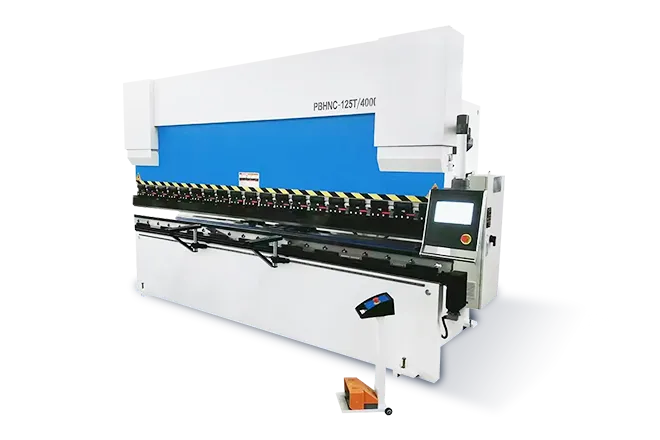
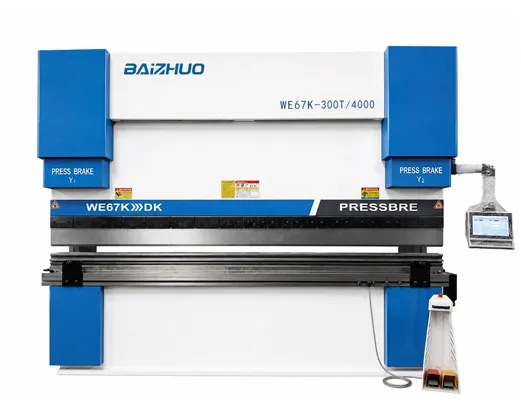
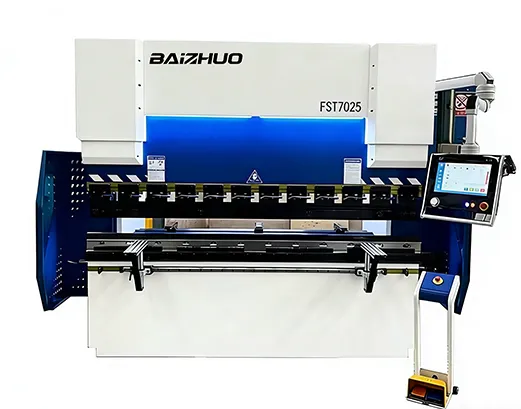
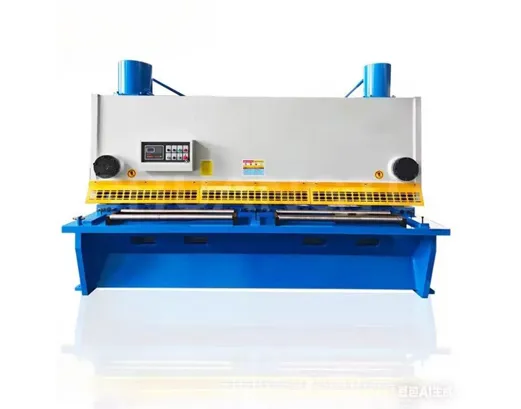
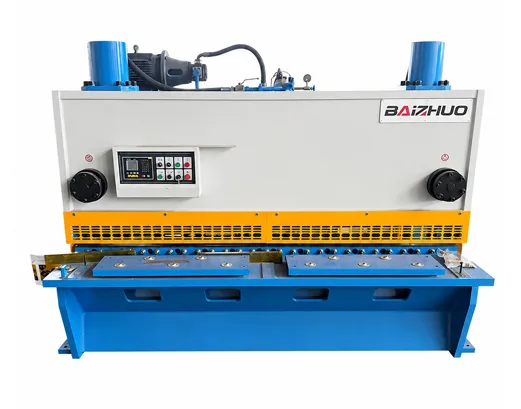
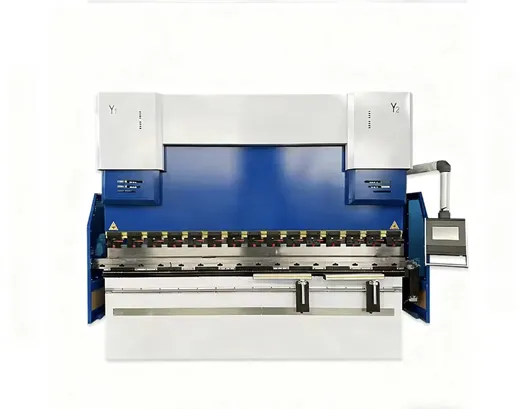
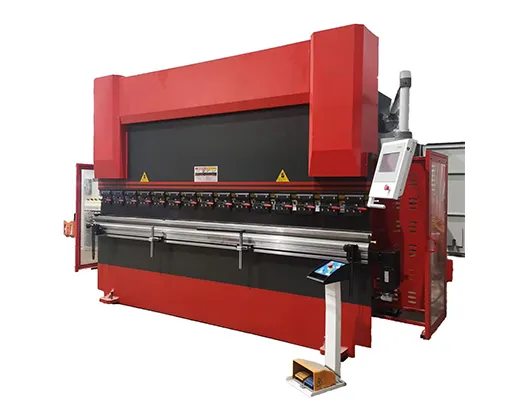
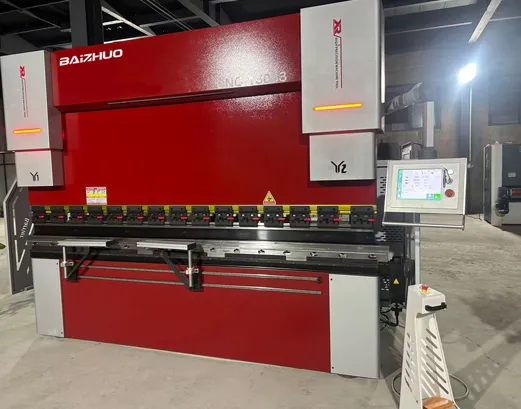
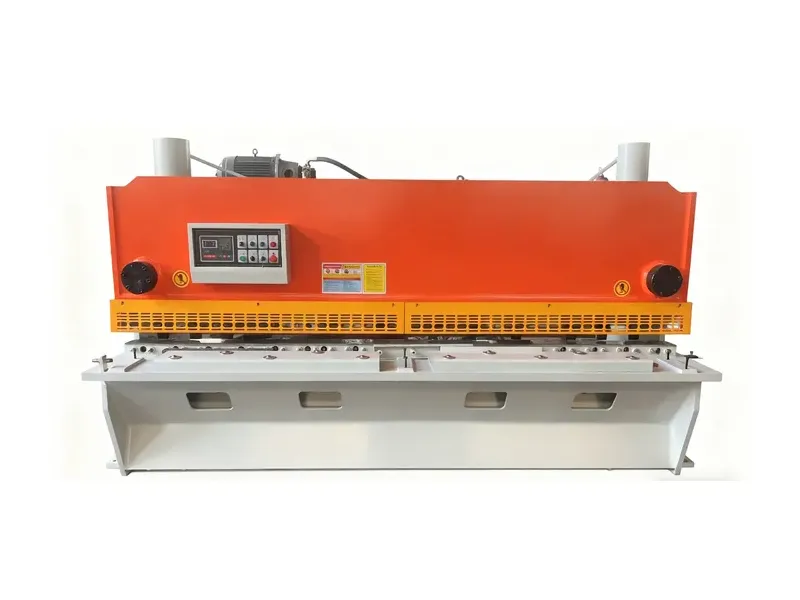
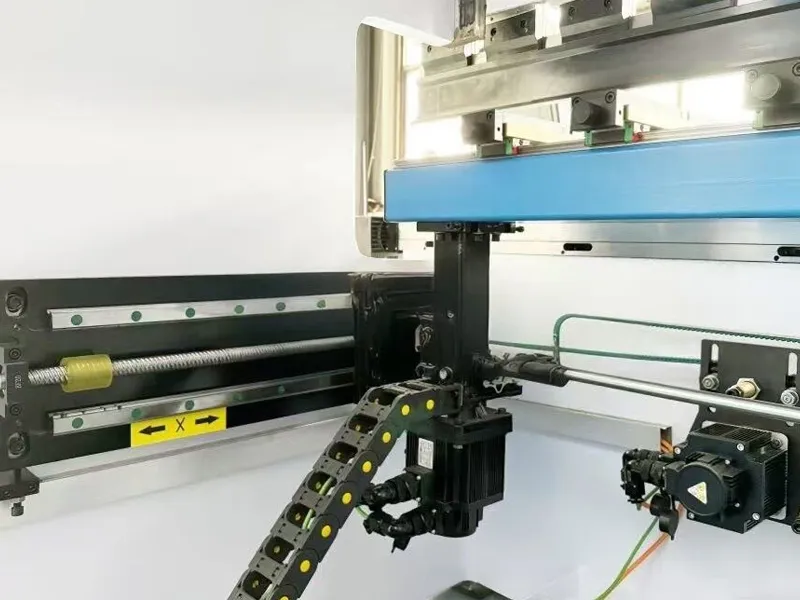
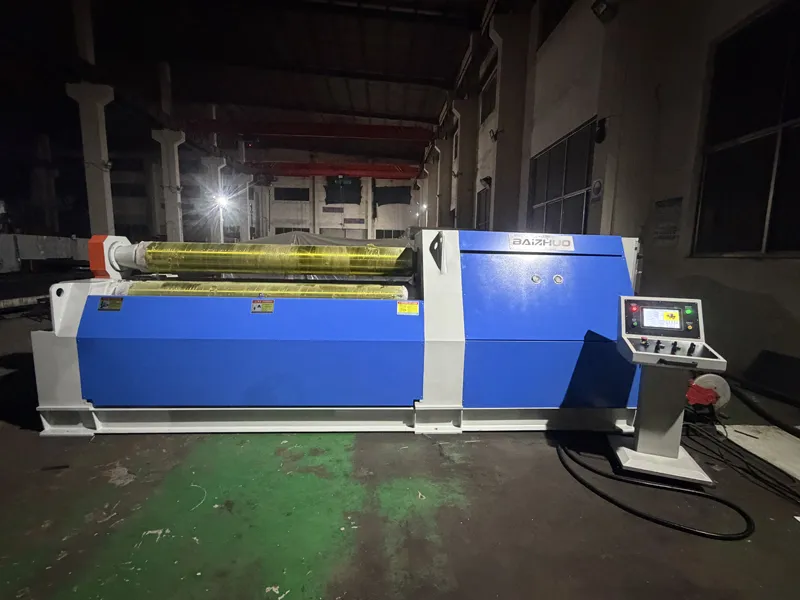
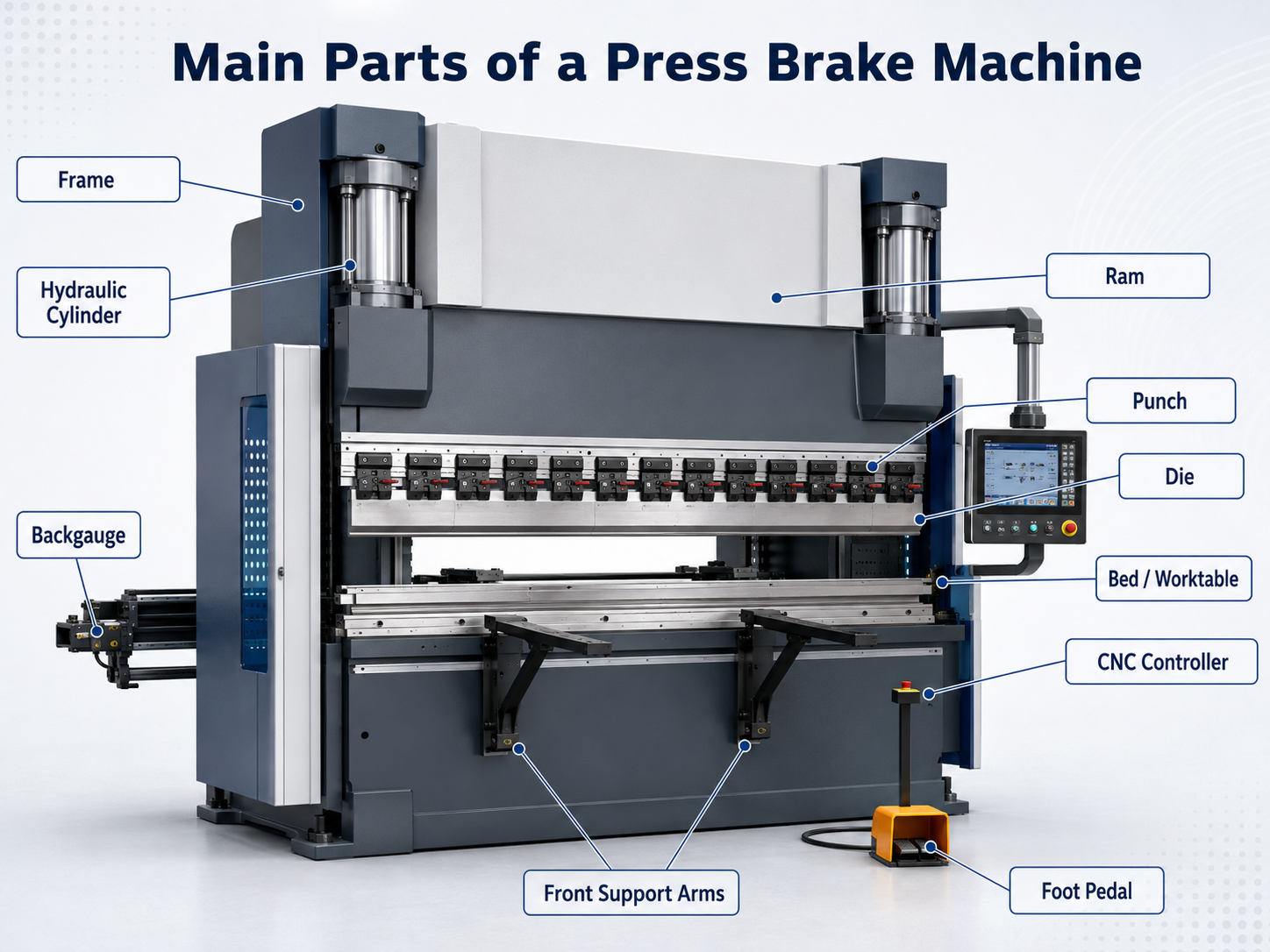
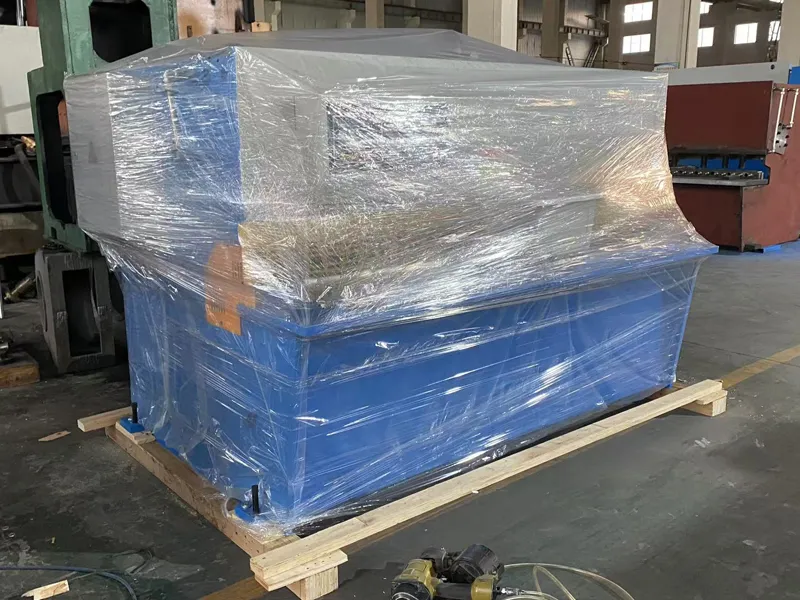
A CNC press brake is designed to provide stable, accurate, and efficient sheet metal bending. However, unusual noise during operation can indicate problems with the hydraulic system, mechanical components, tooling, lubrication, or electrical system.
Some operating sounds are normal, especially during hydraulic pressure changes. However, sudden, excessive, or abnormal noise should not be ignored. Identifying the source of the noise early can help prevent equipment damage, reduce downtime, and extend the service life of the CNC press brake.
This guide explains the most common causes of CNC press brake noise, how to troubleshoot them, and how regular maintenance can help reduce noise and improve machine performance.
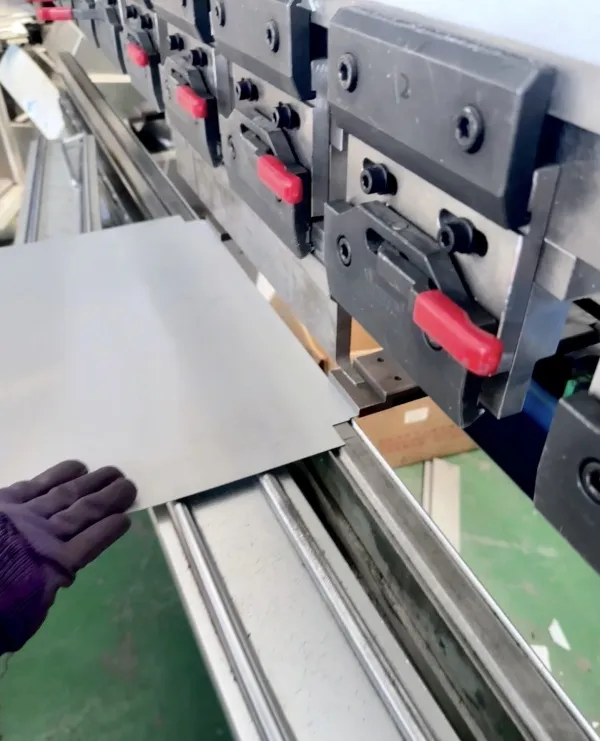
What Causes Noise in a CNC Press Brake?
Press brake noise can come from several different parts of the machine. The most common causes include:
Hydraulic pump problems
Low or contaminated hydraulic oil
Air entering the hydraulic system
Loose mechanical components
Improper tooling installation
Poor lubrication
Motor or pump vibration
Worn bearings or moving components
Electrical system problems
Machine frame vibration
Correctly identifying the type and location of the noise is the first step toward solving the problem.
1. Hydraulic Pump Noise
The hydraulic system is one of the most common sources of abnormal noise in a hydraulic press brake.
A worn hydraulic pump, insufficient hydraulic oil, blocked suction filter, or restricted oil inlet can cause unusual sounds such as whining, buzzing, or knocking.
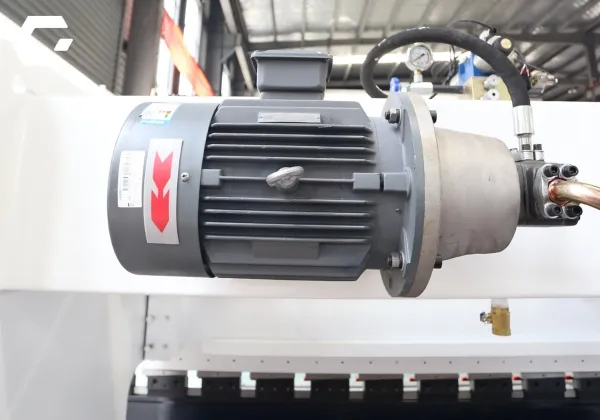
Possible causes include:
Low hydraulic oil level
Contaminated hydraulic oil
Blocked suction filter
Damaged hydraulic pump
Restricted suction pipe
Excessive hydraulic pressure
Air entering the hydraulic circuit
How to solve it
First, check the hydraulic oil level and make sure it meets the manufacturer’s recommended specification. Inspect the suction filter and hydraulic pipes for blockage or damage.
If the noise continues after checking the oil and filter, the hydraulic pump and pressure system should be inspected by a qualified technician.
2. Air in the Hydraulic System
Air entering the hydraulic system can cause vibration, unstable movement, and abnormal noise.
When air is mixed with hydraulic oil, the hydraulic pump may produce a characteristic whining or rattling sound. The ram may also move unevenly during bending.
Common causes include:
Loose hydraulic connections
Damaged seals
Low oil level
Poorly sealed suction pipes
Incorrect hydraulic system maintenance
The hydraulic system should be checked carefully for leaks and air entry points. If necessary, the system should be properly bled according to the machine manufacturer’s procedures.
3. Low or Contaminated Hydraulic Oil
Hydraulic oil plays an important role in the performance of a hydraulic press brake. Low oil levels or contaminated oil can increase friction and reduce hydraulic system efficiency.
Dirty hydraulic oil may also accelerate wear on pumps, valves, cylinders, and other hydraulic components.
Recommended maintenance
Regularly check:
Use hydraulic oil that meets the machine manufacturer’s recommended specifications and replace the oil and filters according to the maintenance schedule.
4. Loose Mechanical Components
A CNC press brake contains many mechanical components that are subjected to repeated loads during bending.
Loose bolts, brackets, guards, bearings, guide components, or other connections can create vibration and rattling noises.
What should be checked?
Inspect:
If a loose component is found, tighten or repair it according to the manufacturer’s maintenance requirements.
5. Incorrect Press Brake Tooling Installation
Improperly installed tooling can also produce vibration and abnormal noise during bending.
The upper punch and lower die should be correctly positioned, securely clamped, and properly aligned.
Incorrect tooling alignment may cause uneven loading, excessive vibration, poor bending accuracy, and premature tool wear.
Before operating the machine, make sure the tooling is:
6. Poor Lubrication
Insufficient lubrication can increase friction between moving mechanical components and may produce squeaking, grinding, or other abnormal sounds.
Regular lubrication should be included in the CNC press brake maintenance program.
Pay particular attention to:
Always use the recommended lubricant and follow the manufacturer’s lubrication intervals.
7. Motor and Hydraulic Pump Vibration
The main motor and hydraulic pump can generate vibration if they are improperly mounted or misaligned.
A damaged motor bearing, loose mounting bolts, or poor motor-pump coupling alignment may increase vibration and operating noise.
If the noise is concentrated around the motor or hydraulic power unit, check:
1. Motor mounting bolts
2. Pump mounting
3. Coupling condition
4. Shaft alignment
5. Motor bearings
6. Hydraulic pump condition
Professional inspection is recommended if excessive vibration continues.
8. Electrical System Problems
Although most press brake noise problems are mechanical or hydraulic, electrical problems can sometimes cause abnormal motor operation or vibration.
Potential causes include:
Loose electrical connections
Motor faults
Unstable power supply
Damaged electrical components
Incorrect motor operation
If abnormal electrical behavior occurs together with noise, the electrical cabinet and motor should be inspected by a qualified technician.
Press Brake Noise Troubleshooting Table
| Noise Type | Possible Cause | Recommended Action |
| Whining noise | Hydraulic pump or pressure problem | Check oil, filter and hydraulic pressure |
| Knocking noise | Air in hydraulic system | Check hydraulic connections and bleed air |
| Grinding noise | Mechanical wear | Inspect bearings and moving components |
| Rattling noise | Loose components | Check and tighten bolts and connections |
| Vibration noise | Misalignment or poor mounting | Check motor, pump and mechanical alignment |
| Squeaking noise | Insufficient lubrication | Lubricate recommended moving parts |
| Intermittent noise | Hydraulic or electrical instability | Inspect hydraulic and electrical systems |
How to Prevent CNC Press Brake Noise
Preventive maintenance is one of the most effective ways to avoid abnormal noise and unexpected machine downtime.
A regular maintenance program should include:
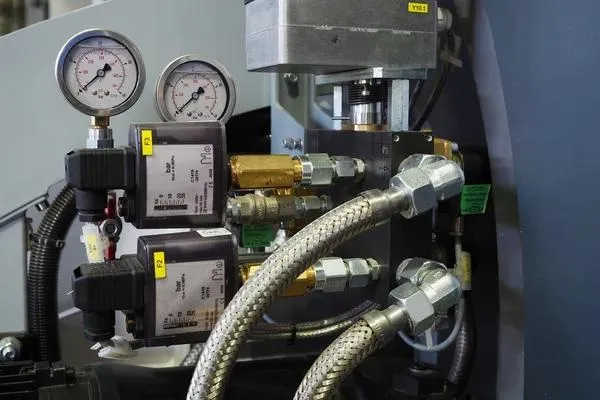
1. Check Hydraulic Oil Regularly
Monitor oil level, cleanliness, and temperature. Replace hydraulic oil and filters according to the recommended maintenance schedule.
2. Lubricate Moving Components
Keep guide rails, bearings, sliding surfaces, and other lubrication points properly lubricated.
3. Inspect Fasteners
Regularly check bolts, nuts, brackets, and other mechanical connections for looseness.
4. Check Tooling Alignment
Make sure punches and dies are correctly installed and aligned before bending.
5. Monitor Machine Performance
Pay attention to changes in machine noise, vibration, bending accuracy, and hydraulic response.
A sudden change in operating sound can be an early warning of a potential problem.
Is It Safe to Operate a Press Brake With Abnormal Noise?
It depends on the source and severity of the noise.
Normal hydraulic and mechanical operating sounds are expected. However, sudden grinding, knocking, severe vibration, or unusual hydraulic pump noise may indicate a developing fault.
If the noise is accompanied by:
the machine should be stopped and inspected before continued operation.
Do not continue operating a machine when a serious mechanical or hydraulic fault is suspected.
Why Regular Press Brake Maintenance Matters
Regular maintenance helps maintain bending accuracy, machine stability, and component life.
For manufacturers using CNC press brakes for continuous production, preventive maintenance can also reduce unexpected downtime and improve overall production efficiency.
A well-maintained hydraulic press brake or CNC press brake should provide stable movement, consistent bending performance, and reliable long-term operation.
Conclusion
Abnormal noise from a CNC press brake can have many causes, ranging from simple loose components and insufficient lubrication to more serious hydraulic pump or mechanical problems.
The best approach is to identify the type and location of the noise first, then systematically inspect the hydraulic system, mechanical components, tooling, lubrication points, motor, and electrical system.
Regular maintenance and timely troubleshooting can help reduce CNC press brake noise, improve machine reliability, and extend the service life of the equipment.
BAIZHUO CNC provides CNC press brakes and sheet metal forming equipment designed for stable, accurate, and efficient metal fabrication. Proper machine selection, installation, operation, and maintenance are essential for achieving reliable long-term performance.
FAQ About CNC Press Brake Noise
Why is my CNC press brake making a loud noise?
A loud noise may be caused by hydraulic pump problems, low hydraulic oil, air in the hydraulic system, loose mechanical components, poor lubrication, or motor vibration. The source of the noise should be identified before continuing operation.
Can low hydraulic oil cause press brake noise?
Yes. Insufficient hydraulic oil can cause the hydraulic pump to draw in air, potentially resulting in abnormal noise, vibration, and unstable machine movement.
Why does a hydraulic press brake make a whining noise?
A whining sound may be related to the hydraulic pump, restricted oil flow, air in the hydraulic system, excessive pressure, or contaminated hydraulic oil.
How can I reduce CNC press brake noise?
Regular hydraulic oil maintenance, proper lubrication, correct tooling installation, tightening loose components, and timely inspection of the hydraulic pump and motor can help reduce abnormal noise.
Can press brake tooling cause vibration?
Yes. Incorrect tooling installation, poor alignment, excessive tool wear, or unsuitable tooling can contribute to vibration and abnormal operating sounds.
How often should a CNC press brake be maintained?
Maintenance frequency depends on machine design and production workload. Daily operator inspections combined with scheduled hydraulic, mechanical, electrical, and lubrication maintenance are recommended.
Should I stop a press brake if I hear abnormal noise?
If the noise is sudden, severe, or accompanied by vibration, hydraulic leakage, unstable movement, alarms, or reduced bending accuracy, stop the machine and inspect it before continuing production.

 English