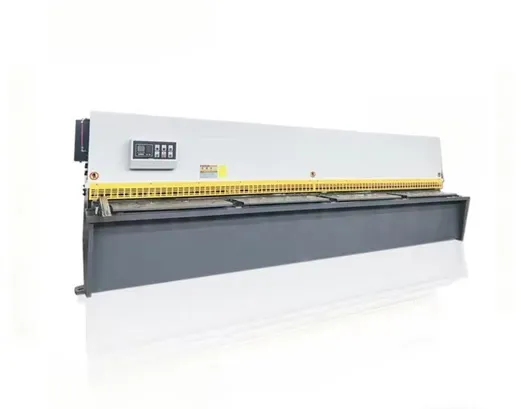
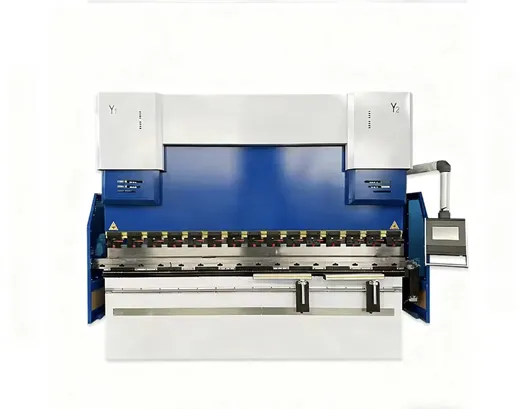
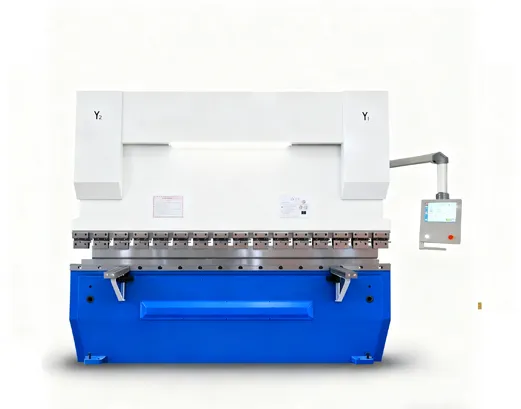
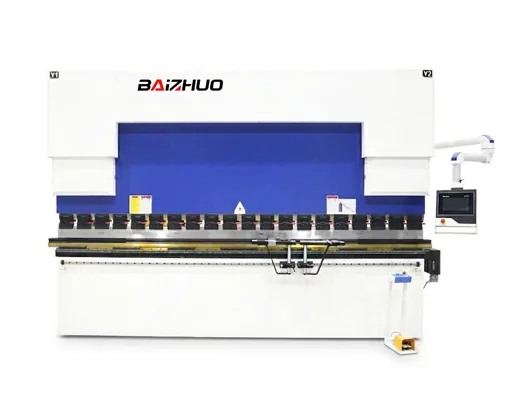
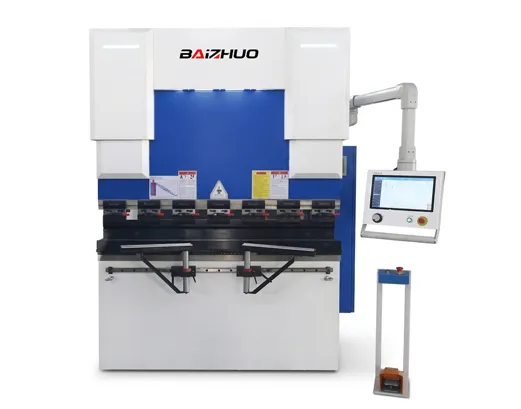
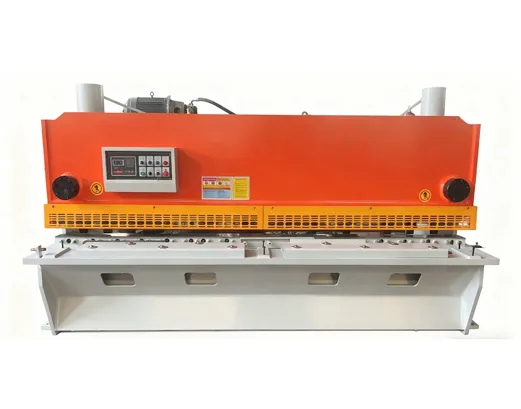
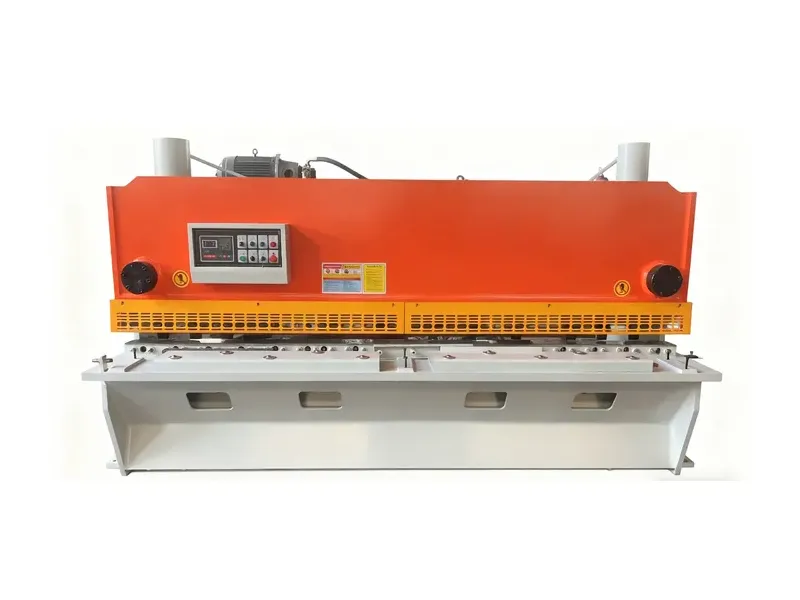
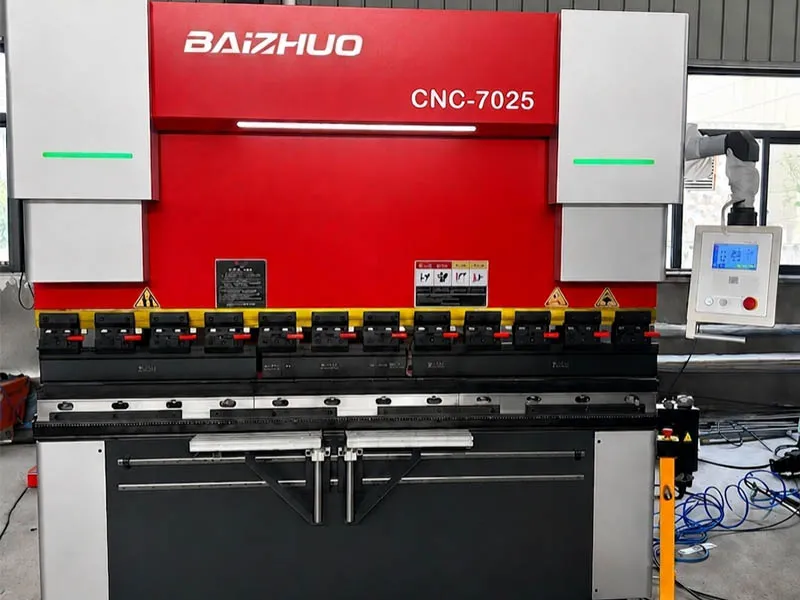
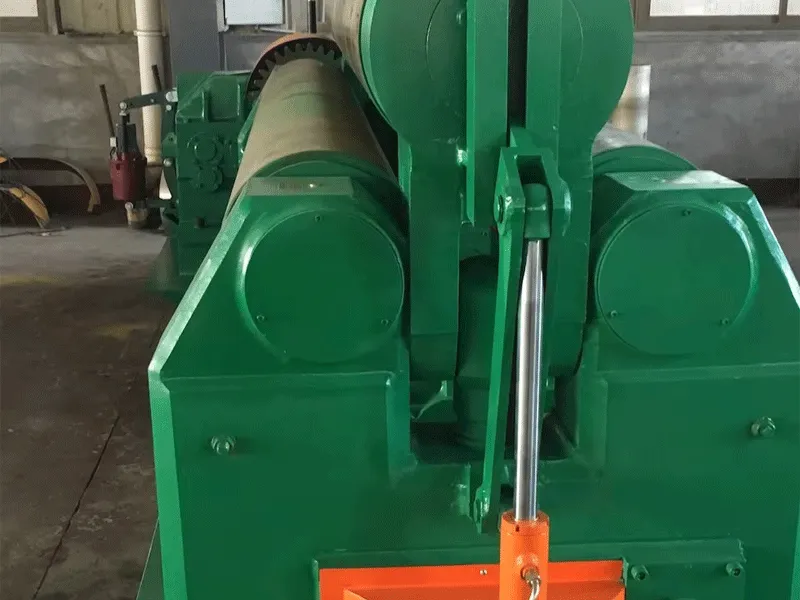
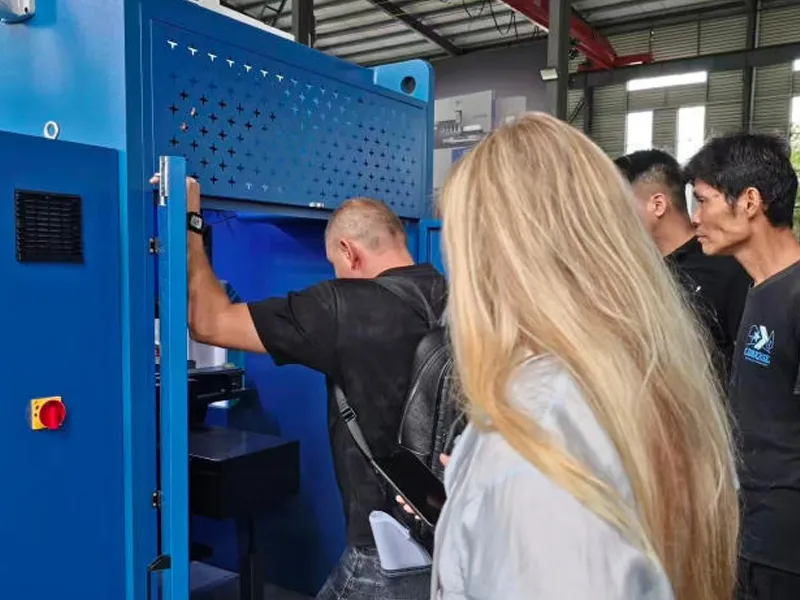
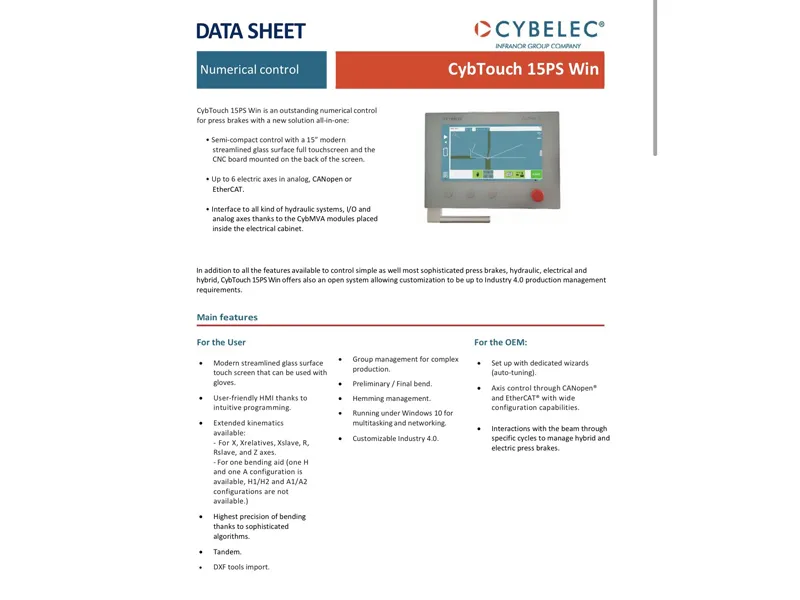
Hydraulic shearing machines are widely used in sheet metal fabrication, steel structures, automotive manufacturing, electrical cabinets, and general industrial production. Hydraulic guillotine shears and hydraulic swing beam shears are two common types of sheet metal cutting machines, designed to provide accurate, efficient, and reliable cutting performance.
To ensure safe operation, high cutting accuracy, and long service life, operators should follow proper operating procedures and perform regular inspections before and after using the machine.
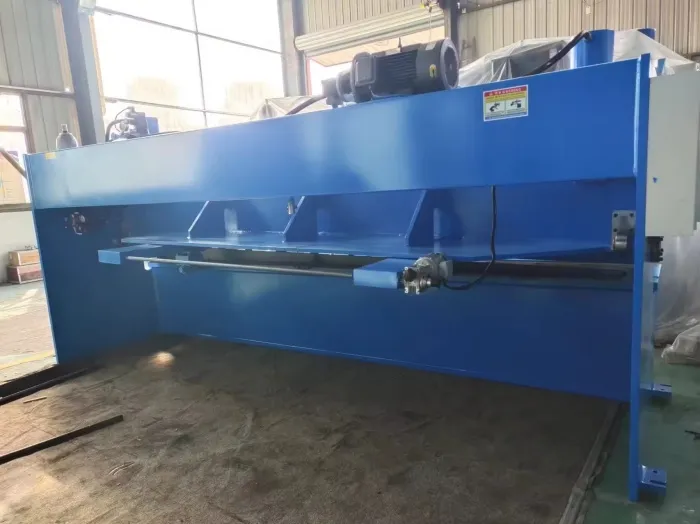
Pre-Operation Inspection
Before starting a hydraulic shearing machine, carefully inspect the machine and its working area.
Check the following items:
Check the hydraulic oil level and hydraulic system for leakage.
Inspect the electrical connections and control panel.
Check the condition of the upper and lower blades.
Make sure the blade clearance is suitable for the material thickness.
Check the back gauge and positioning system.
Make sure emergency stop buttons and safety devices are working correctly.
Remove tools, metal scraps, and other objects from the cutting area.
A proper pre-operation inspection can help prevent unexpected machine problems and improve workplace safety.
Hydraulic Guillotine Shear Operating Procedure
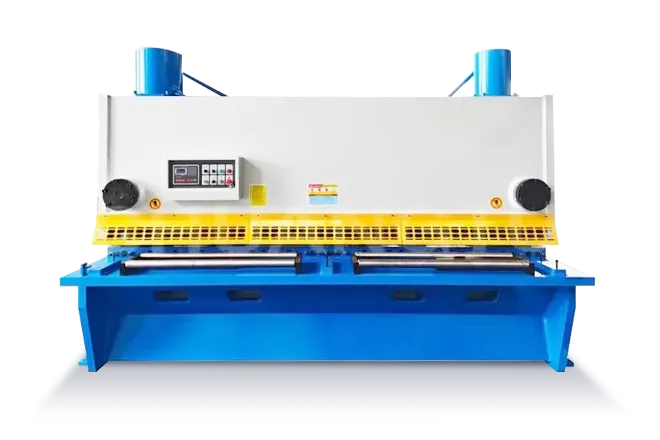
A hydraulic guillotine shear uses a straight-line blade movement to cut sheet metal. It is commonly used for applications requiring high cutting accuracy and stable performance.
Step 1: Start the Machine
Turn on the main power supply and start the hydraulic system according to the machine’s operating instructions. Check whether the hydraulic system operates smoothly and listen for abnormal noise.
Step 2: Set the Cutting Parameters
Set the cutting length, back gauge position, and other parameters according to the sheet size and material.
The blade clearance should also be adjusted according to the material type and thickness. Correct blade clearance is important for achieving a clean cutting edge and reducing unnecessary blade wear.
Step 3: Position the Sheet
Place the sheet metal on the worktable and align it with the back gauge or positioning system.
Make sure the sheet is properly supported and positioned before starting the cutting cycle.
Step 4: Perform the Cutting Operation
Activate the cutting cycle using the appropriate control device. Keep hands and body parts away from the cutting area during operation.
For CNC or NC hydraulic shearing machines, the back gauge can help achieve consistent cutting dimensions and improve production efficiency.
Hydraulic Swing Beam Shear Operating Procedure
Hydraulic swing beam shears use a swinging upper blade to cut sheet metal. This design provides smooth cutting movement and is suitable for a wide range of sheet metal processing applications.
Before cutting, operators should confirm that the machine settings match the material being processed.
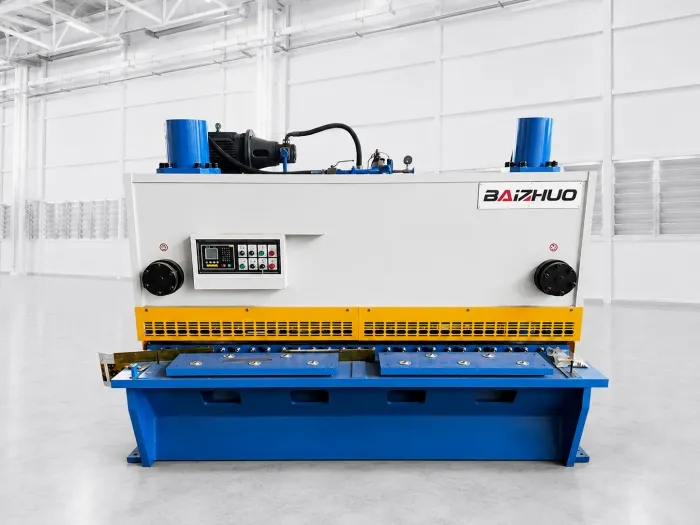
Blade Clearance Adjustment
Blade clearance is an important parameter when operating a hydraulic swing beam shear. If the clearance is too large or too small, it may affect the cutting quality and increase blade wear.
The recommended clearance should be selected according to the material type and thickness and should follow the machine manufacturer’s technical specifications.
Sheet Positioning
Place the workpiece securely against the back gauge. For large or heavy plates, suitable front supports or material handling equipment should be used.
Correct positioning helps maintain dimensional accuracy and prevents the workpiece from moving during cutting.
Test Cutting
For a new material or a new machine setting, it is recommended to perform a test cut before continuous production.
Inspect the cut edge for burrs, deformation, or uneven cutting. If necessary, adjust the blade clearance or other cutting parameters.
Safety Precautions for Hydraulic Shearing Machines
Safety should always be a priority when operating a hydraulic shearing machine.
Operators should follow these basic safety rules:
1. Do not place hands or fingers near the cutting blades.
2. Never exceed the rated cutting thickness and capacity of the machine.
3. Do not cut multiple sheets at the same time unless the machine is specifically designed for this application.
4. Keep the working area clean and free from obstacles.
5. Do not operate the machine if abnormal noise, excessive vibration, or hydraulic leakage is detected.
6. Make sure safety guards and emergency stop devices are functional.
7. Wear appropriate personal protective equipment when required.
8. Only trained and authorized personnel should operate the machine.
Following correct safety procedures can significantly reduce the risk of accidents during sheet metal cutting operations.
Maintenance of Hydraulic Shearing Machines
Regular maintenance is essential for maintaining cutting accuracy and extending machine service life.
Hydraulic System
Regularly check hydraulic oil level, oil quality, hoses, fittings, and hydraulic components. If leakage or abnormal pressure is detected, stop the machine and inspect the hydraulic system.
Cutting Blades
Inspect the upper and lower blades regularly. When the cutting edge becomes worn, the blades may need to be rotated, adjusted, or replaced according to the machine design.
Back Gauge System
Keep the back gauge clean and check its positioning accuracy. A properly maintained back gauge helps maintain consistent cutting dimensions.
Electrical System
Inspect electrical connections, switches, sensors, and control components periodically. Any damaged or loose electrical components should be repaired by qualified personnel.
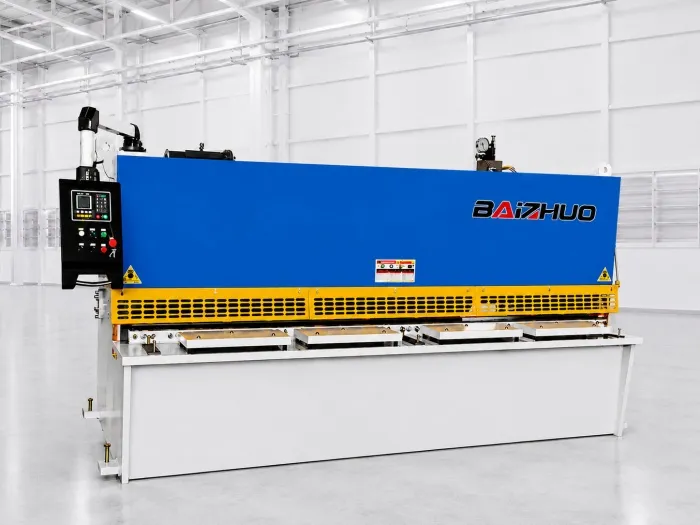
Hydraulic Guillotine Shear vs. Swing Beam Shear
Both machines are widely used for sheet metal cutting, but their cutting mechanisms are different.
A hydraulic guillotine shear uses a straight-line cutting movement and is particularly suitable for applications requiring high cutting accuracy and stable cutting performance.
A hydraulic swing beam shear uses a pivoting or swinging upper blade. It provides efficient sheet cutting and is widely used in general metal fabrication.
The best choice depends on the material thickness, cutting length, production requirements, accuracy requirements, and available budget.
How to Improve Cutting Quality
To achieve consistent cutting results, operators should pay attention to several key factors:
Select the correct machine according to material thickness and cutting length.
Adjust blade clearance correctly.
Keep the blades sharp and properly maintained.
Set the back gauge accurately.
Make sure the sheet is properly supported.
Avoid exceeding the rated machine capacity.
Perform regular inspection and preventive maintenance.
Proper machine operation combined with regular maintenance can improve productivity, cutting accuracy, and equipment reliability.
Conclusion
Proper operating procedures are essential for hydraulic guillotine shears and hydraulic swing beam shears. From pre-operation inspection and blade clearance adjustment to sheet positioning, safe cutting, and regular maintenance, every step can affect the machine’s performance and cutting quality.
As a professional manufacturer of sheet metal forming machinery, Baizhuo CNC provides hydraulic shearing machines designed for reliable operation, accurate sheet metal cutting, and long-term industrial use. With suitable machine configurations and professional technical support, Baizhuo CNC helps customers improve their sheet metal fabrication efficiency.
Frequently Asked Questions
Q1: What should be checked before operating a hydraulic shearing machine?
Before operation, check the hydraulic system, electrical system, blades, blade clearance, back gauge, safety devices, and working area. Make sure the machine is in normal operating condition before cutting.
Q2: Why is blade clearance important in hydraulic shearing?
Correct blade clearance helps produce a clean cutting edge, reduce burrs and deformation, and minimize unnecessary blade wear.
Q3: What is the difference between a hydraulic guillotine shear and a swing beam shear?
A hydraulic guillotine shear uses a straight-line blade movement, while a hydraulic swing beam shear uses a swinging upper blade. Both are suitable for sheet metal cutting, but their structures and cutting mechanisms are different.
Q4: How can I improve the cutting accuracy of a hydraulic shear?
Correct blade clearance, accurate back gauge positioning, sharp blades, proper sheet alignment, and regular machine maintenance are important for achieving consistent cutting accuracy.
Q5: How often should a hydraulic shearing machine be maintained?
Maintenance frequency depends on machine usage, material type, working environment, and manufacturer recommendations. Regular inspections should be performed before operation, while hydraulic, electrical, blade, and mechanical components should be maintained according to the machine’s maintenance schedule.

 English