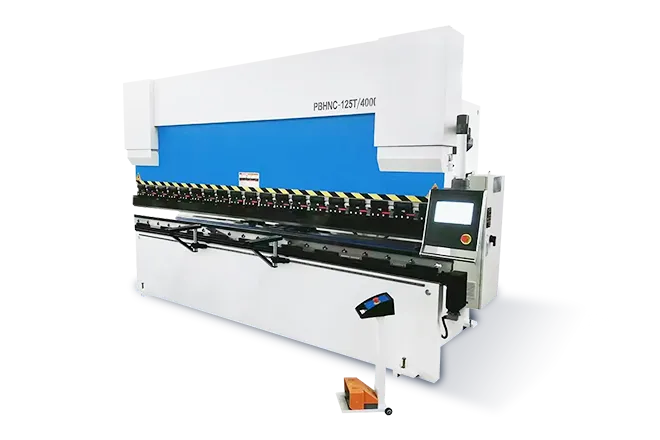
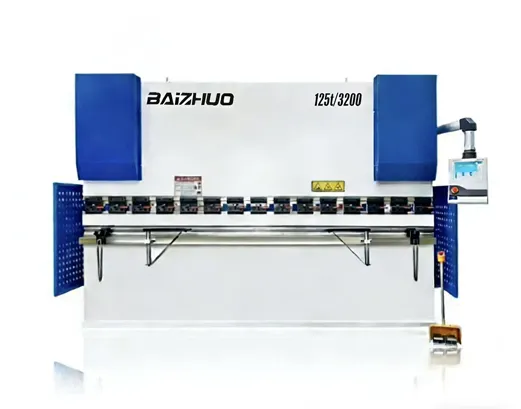
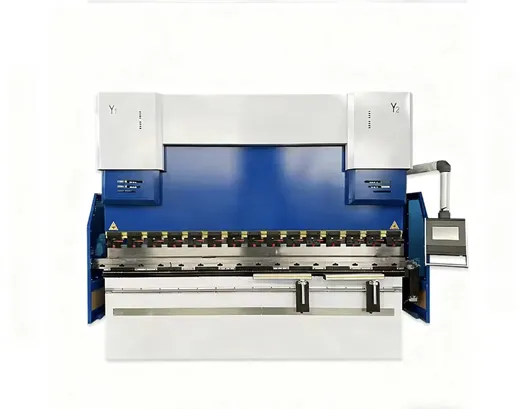
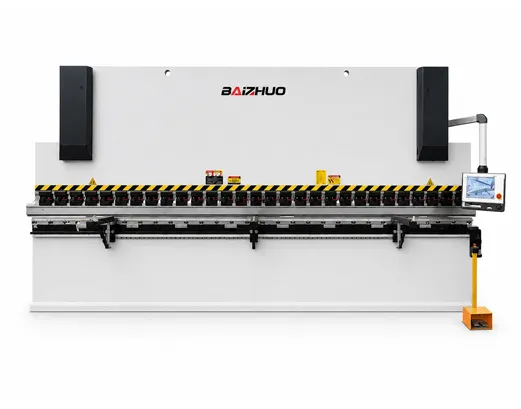
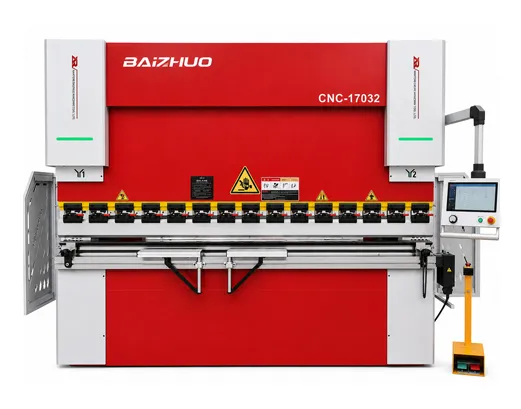
Press brakes are essential machines in the sheet metal fabrication industry, providing precise bending solutions for various manufacturing applications. However, even the most advanced CNC hydraulic press brakes can occasionally experience operational issues that affect productivity and product quality.
Understanding common press brake problems and their solutions can help operators minimize downtime, improve efficiency, and extend machine lifespan. In this guide, we explore the most frequent press brake issues and practical troubleshooting methods.
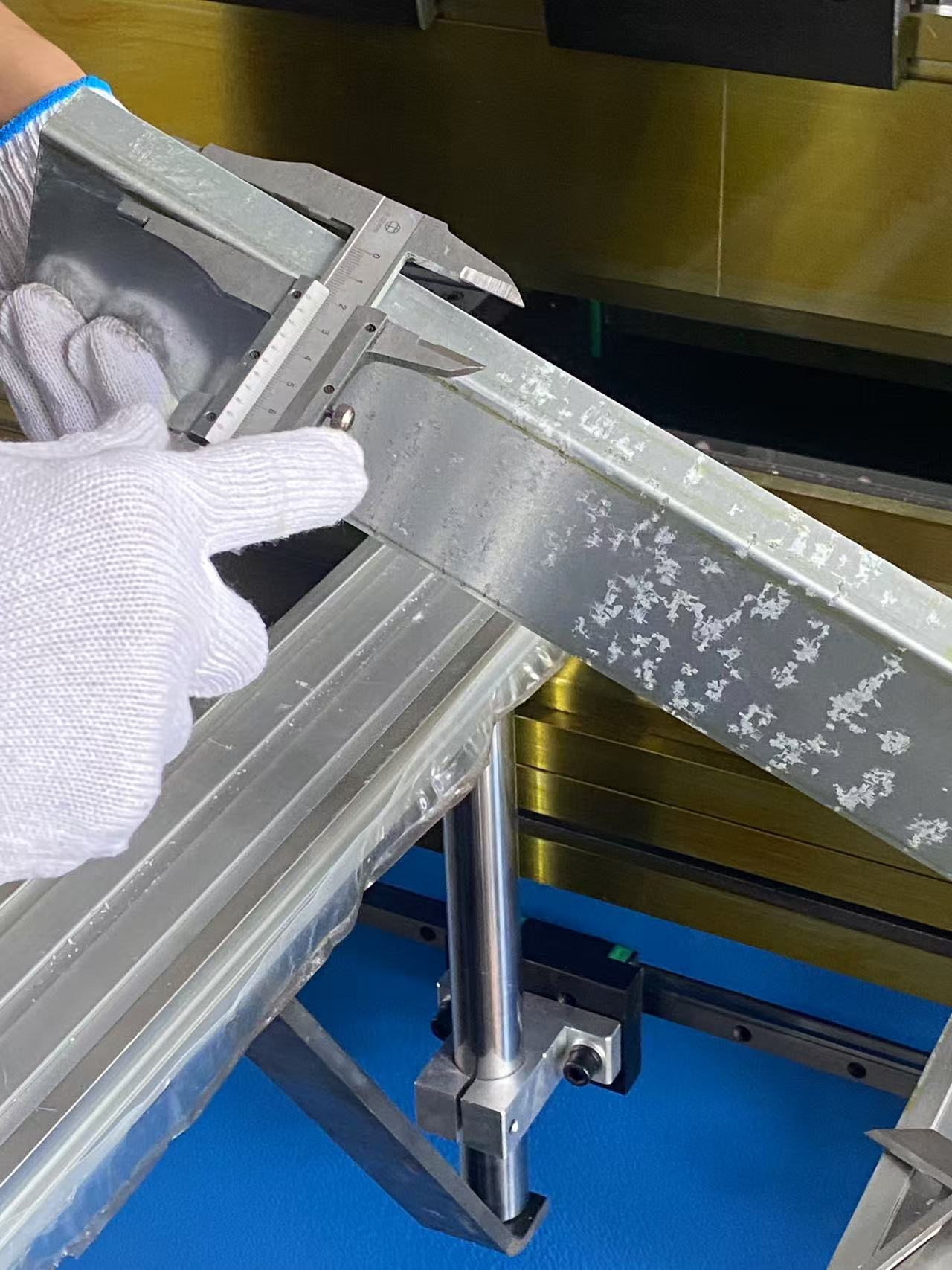
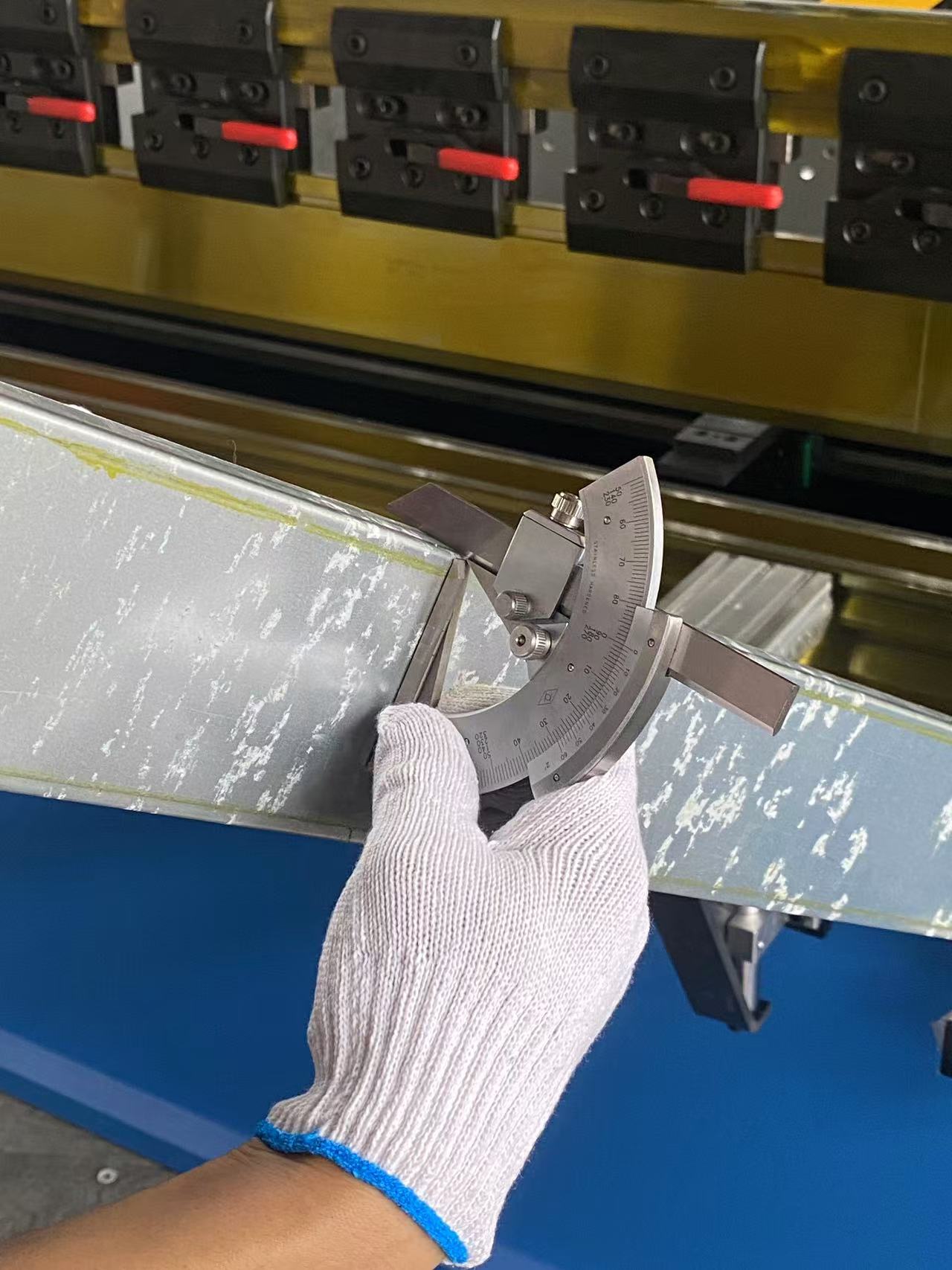
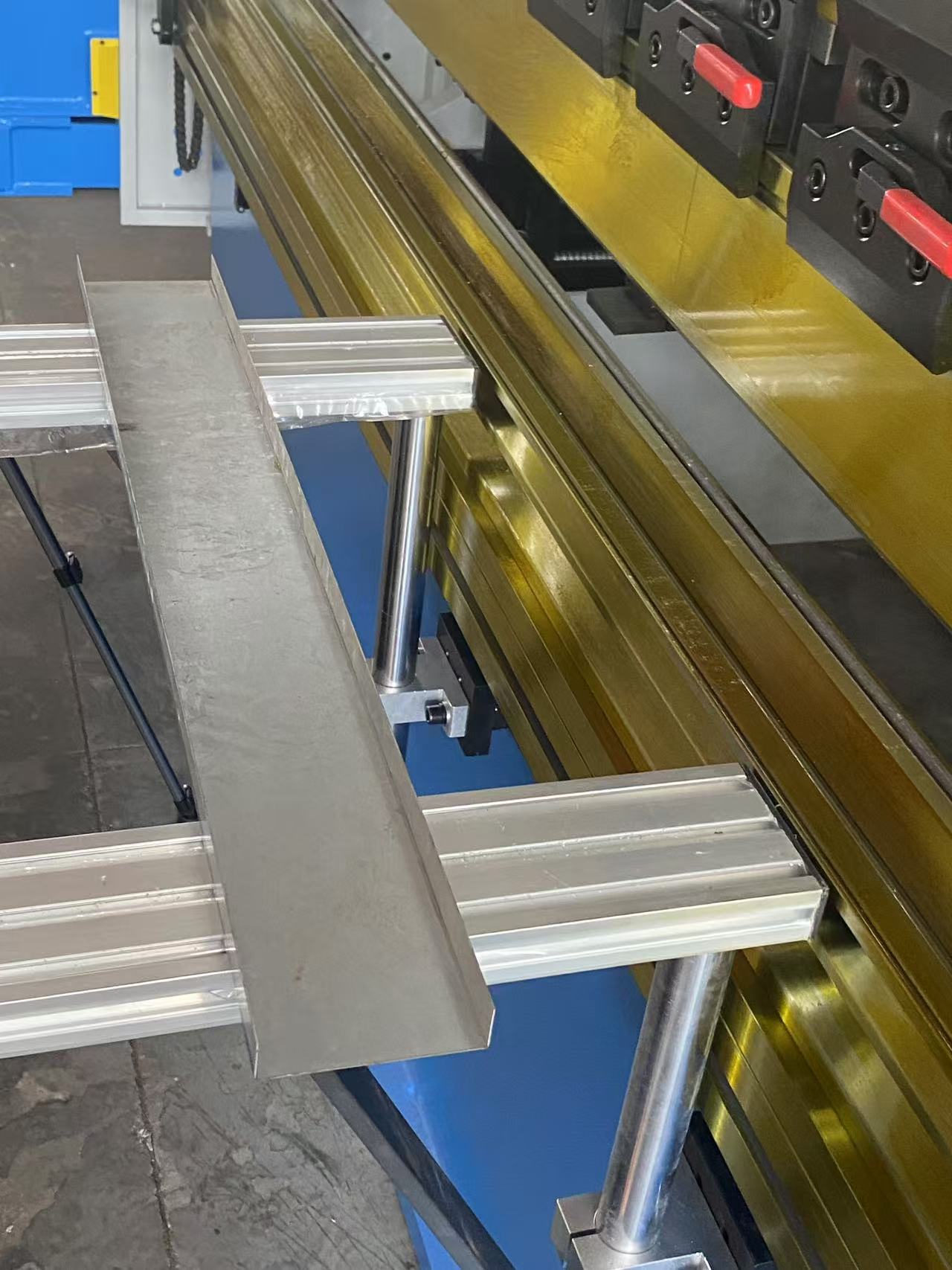
Inaccurate Bending Angles
Possible Causes
Solutions
Verify tooling dimensions and installation.
Check material specifications before bending.
Inspect tooling for wear and replace damaged components.
Adjust the crowning compensation system.
Review CNC program parameters and bending sequences.
Regular calibration helps maintain bending accuracy and consistent product quality.
Uneven Bending Across the Workpiece
Possible Causes
Machine frame deflection
Hydraulic synchronization errors
Improper crowning settings
Uneven material properties
Solutions
Activate the CNC crowning compensation system.
Check Y1 and Y2 axis synchronization.
Inspect linear scales and servo feedback systems.
Verify hydraulic pressure balance.
Modern electro-hydraulic servo press brakes equipped with automatic crowning systems can significantly reduce this issue.
Backgauge Positioning Errors
Possible Causes
Loose mechanical components
Damaged ball screws or guide rails
Servo motor malfunction
Controller parameter errors
Solutions
Tighten mechanical connections.
Inspect and lubricate guide rails regularly.
Check servo motor operation and encoder feedback.
Recalibrate backgauge positioning through the CNC controller.
Accurate backgauge positioning is critical for repeatable bending results and production efficiency.
Hydraulic System Leakage
Possible Causes
Solutions
Replace worn seals immediately.
Inspect hydraulic hoses for cracks or damage.
Tighten all hydraulic connections.
Verify pressure settings according to manufacturer recommendations.
Routine hydraulic system inspections help prevent costly downtime and repairs.
Excessive Machine Noise
Possible Causes
Solutions
Check and refill hydraulic oil if necessary.
Remove trapped air from the hydraulic system.
Inspect bearings and rotating components.
Service or replace damaged hydraulic pumps.
Maintaining proper lubrication significantly reduces abnormal machine noise.
CNC Controller Not Responding
Possible Causes
Software errors
Power supply issues
Communication failures
Hardware malfunction
Solutions
Restart the CNC controller.
Check electrical connections and voltage stability.
Verify communication cables.
Update controller software if available.
Contact technical support for advanced diagnostics.
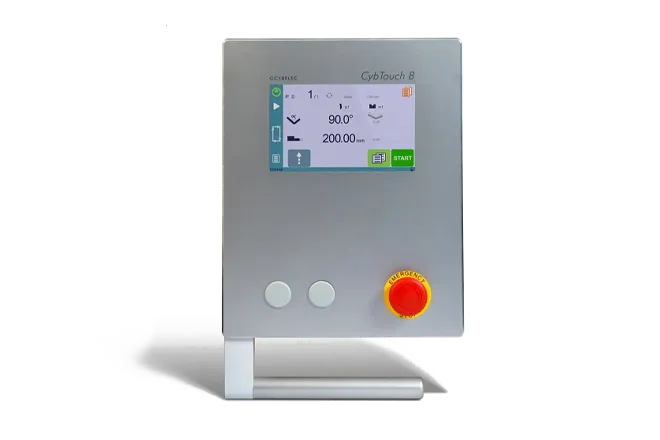
Popular controllers such as Delem DA53T, ESA S630, and CybTouch systems include built-in diagnostic functions that help identify faults quickly.
Ram Positioning Problems
Possible Causes
Linear scale failure
Hydraulic valve malfunction
Servo synchronization issues
Controller calibration errors
Solutions
Inspect linear encoders and feedback signals.
Check hydraulic proportional valves.
Verify synchronization between Y1 and Y2 axes.
Perform machine calibration procedures.
Accurate ram positioning is essential for maintaining bending precision and repeatability.
Poor Surface Quality After Bending
Possible Causes
Damaged tooling surfaces
Incorrect bending speed
Material contamination
Improper die selection
Solutions
Polish or replace damaged tooling.
Adjust bending speed settings.
Clean material surfaces before processing.
Select appropriate tooling based on material thickness and type.
Proper tooling maintenance can significantly improve final product appearance.
Preventive Maintenance Tips
To reduce unexpected breakdowns, operators should establish a regular maintenance schedule:
Check hydraulic oil levels daily.
Clean machine surfaces and guide rails regularly.
Inspect electrical connections monthly.
Lubricate moving components as recommended.
Calibrate CNC systems periodically.
Replace worn tooling before it affects production quality.
Preventive maintenance not only improves machine reliability but also extends equipment service life.
Conclusion
Most press brake problems can be resolved through proper inspection, regular maintenance, and timely troubleshooting. By understanding common issues such as bending inaccuracies, hydraulic leaks, backgauge errors, and controller malfunctions, manufacturers can reduce downtime and maintain efficient production operations.
For companies relying on CNC hydraulic press brakes, implementing a proactive maintenance program is the most effective way to ensure long-term performance, high bending accuracy, and maximum productivity.

 English