
Nantong Baizhuo CNC Machine Tool Co., Ltd.
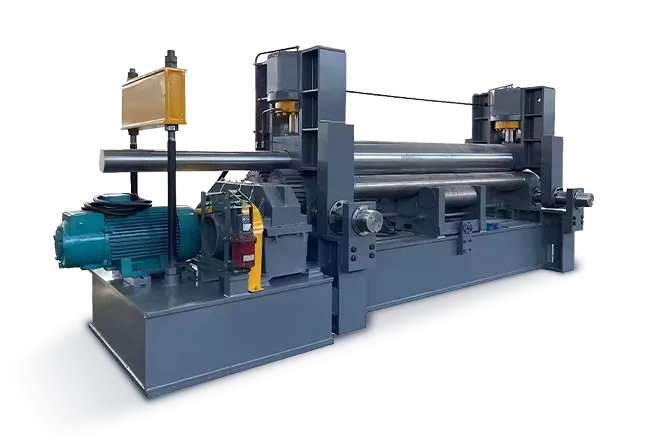
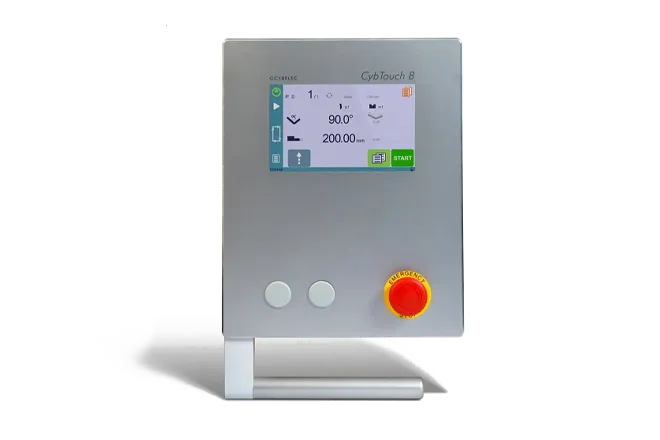
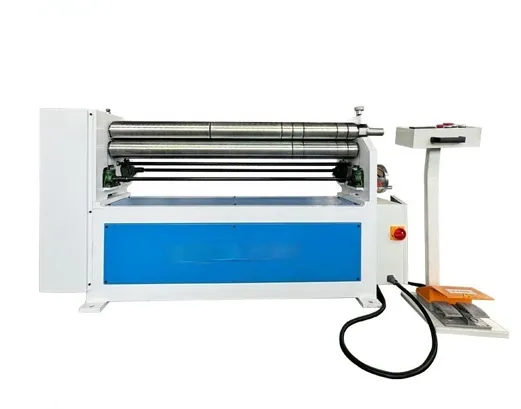
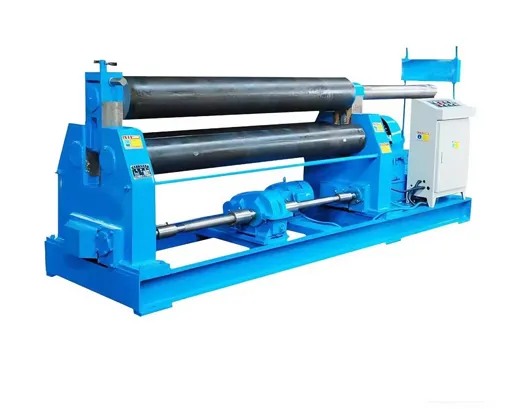
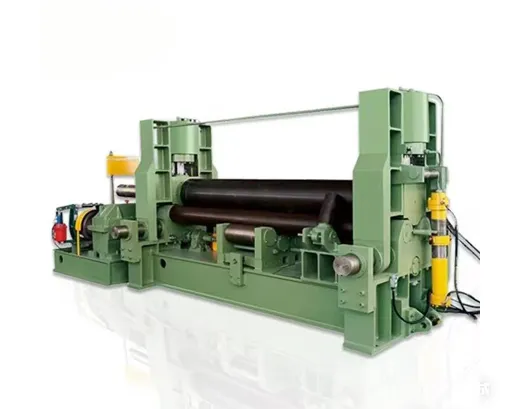
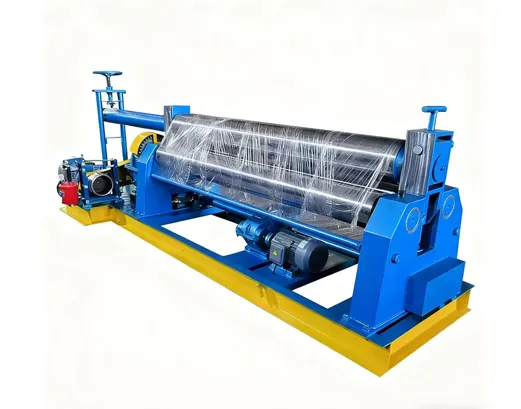
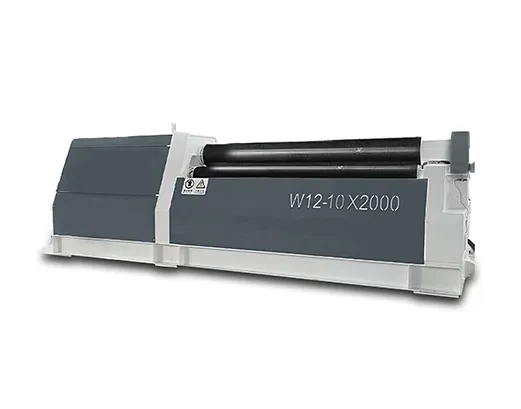
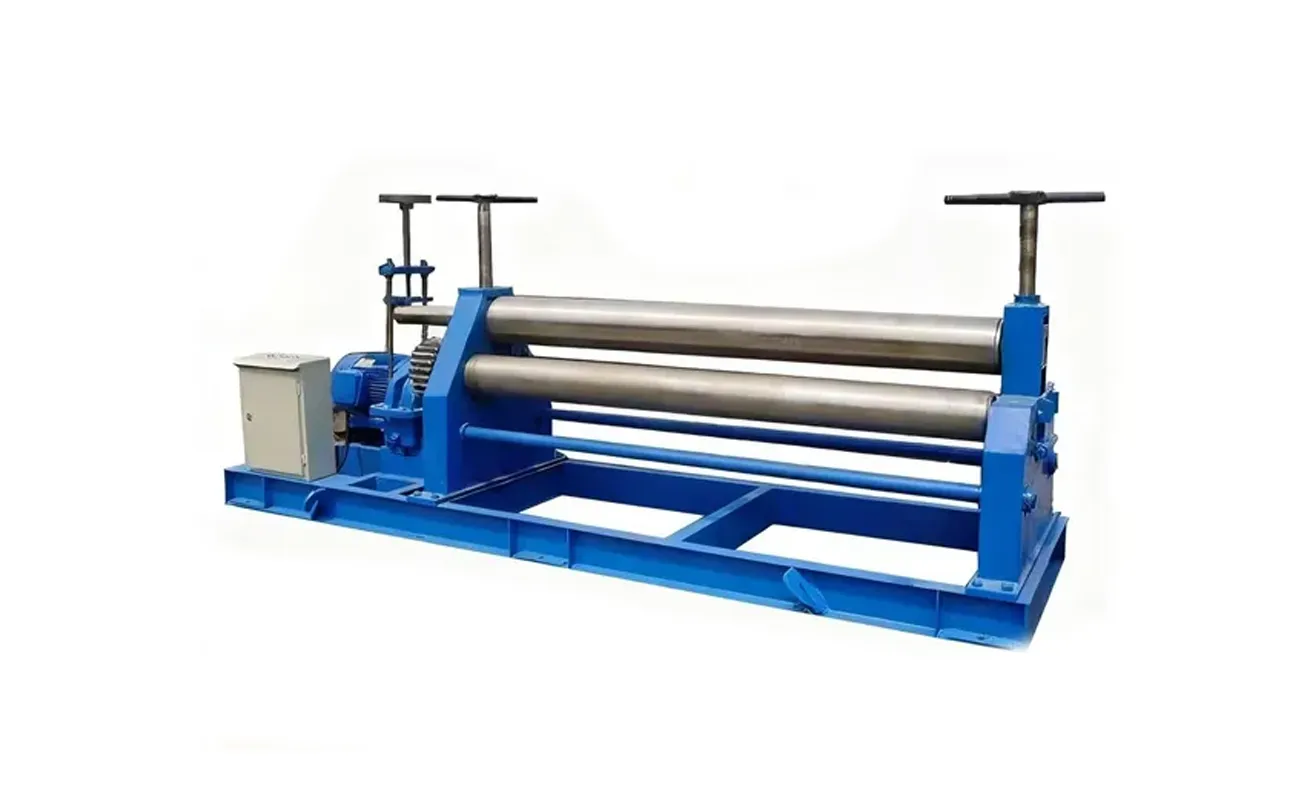
Rolling mills can be classified according to the number of rolls into three-roll rolling mills and four-roll rolling mills (hydraulic type). Three-roll rolling mills can be further divided into mechanically symmetrical three-roll rolling mills, hydraulic upper-roll universal rolling mills, and hydraulic CNC rolling mills (four-roll rolling mills). They can also be classified according to the transmission method into mechanical and hydraulic types. Only hydraulic types have an operating system, while mechanical types do not.

Diverse Types of Three-Roll Plate Rolling Machine

Benefits of Three-Roll Plate Rolling Machine

Benefits of Three-Roll Plate Rolling Machine

  • Due to their simpler mechanical design and fewer internal components, 3-roll machines are generally more compact, saving valuable floor space in smaller fabrication environments.

  • With fewer rollers and moving parts to service, these machines are easier to maintain and troubleshoot, leading to lower long-term upkeep costs for the owner.

  • Variable geometry 3-roll models can often handle significantly thicker materials than 4-roll machines of a similar size, offering a distinct mechanical advantage for heavy-duty plate work.

  • The straightforward triangular roller setup is intuitive to learn, allowing operators to quickly master basic cylindrical and conical bending without extensive specialized training.

Difference Between 3-Roll Plate Rolling Machine and 4-Roll Plate Rolling Machine

  • Material Clamping and Pre-bending

    A 4-roll machine utilizes a bottom roller to securely "pinch" the plate against the top roller immediately upon loading. This allows for precise pre-bending of both ends in a single pass. In contrast, a 3-roll machine often requires the plate to be removed and flipped to pre-bend the trailing edge, increasing manual handling.


  • Ease of Operation and Automation

    The 4-roll design is significantly more user-friendly and compatible with CNC systems. Because the plate is always clamped, there is minimal risk of slippage, making it ideal for complex shapes like ellipses or cones. 3-roll machines rely more heavily on operator skill to manually align and square the plate during the rolling process.


  • Production Speed and Efficiency

    For high-volume production, the 4-roll machine is superior because it completes the bending cycle—from loading to pre-bending and final rolling—in one continuous motion. A 3-roll machine is generally slower due to the extra steps required for pre-bending, making it better suited for smaller shops or lower production frequencies.


Three-Roll Plate Rolling Machine
To Know More About Baizhou?
We're Waiting for Your Contact!
We use cookies to offer you a better browsing experience, analyze site traffic and personalize content. Part of the tracking is necessary to ensure SEO effectiveness,
By using this site, you agree to our use of cookies. Visit our cookie policy to learn more.

Reject Accept