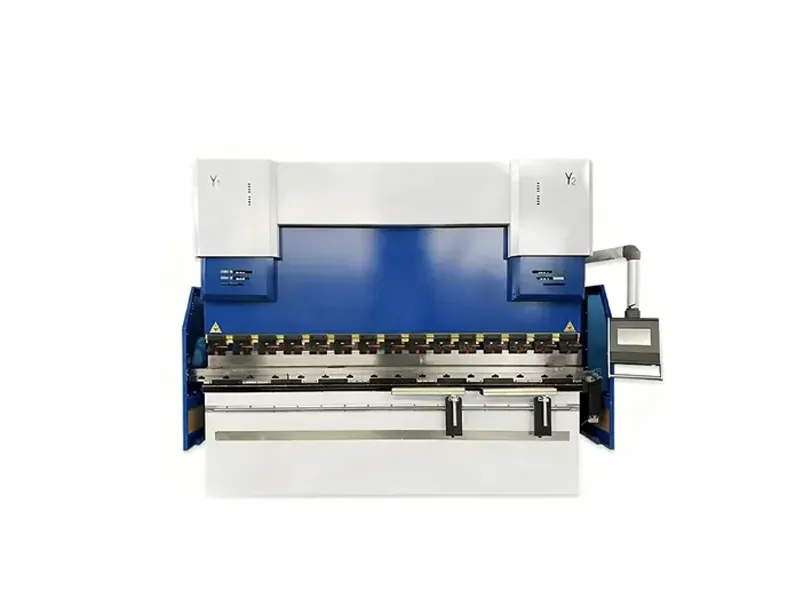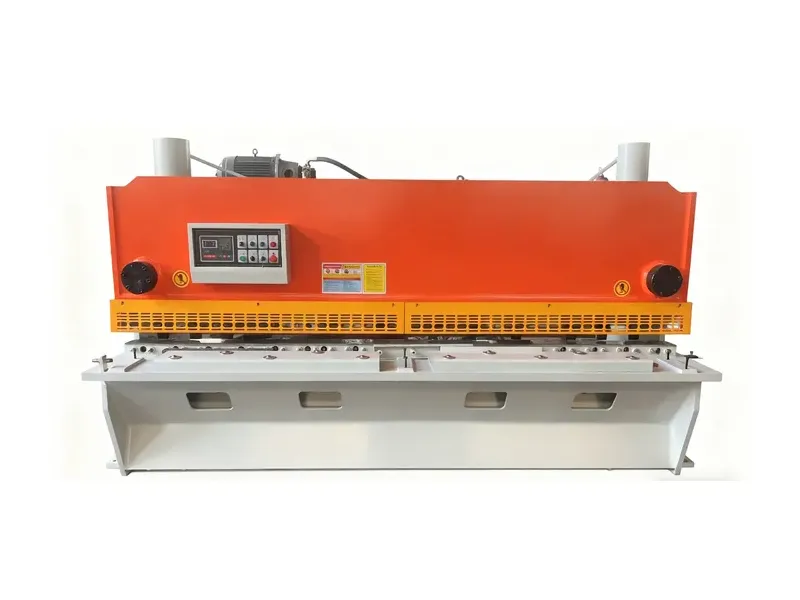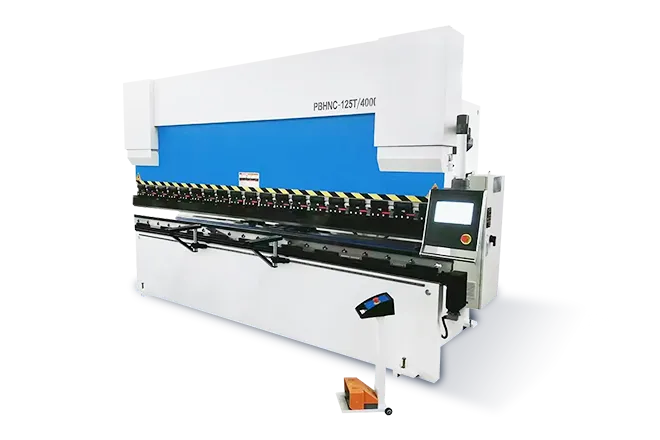
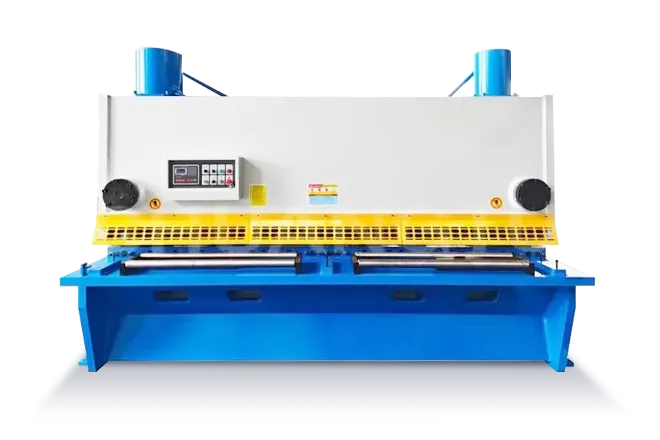
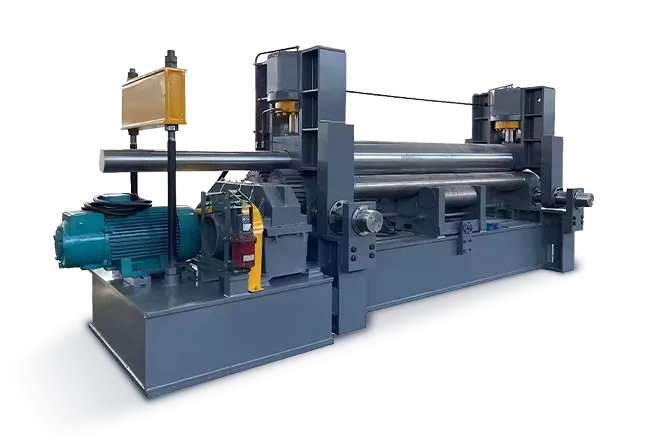
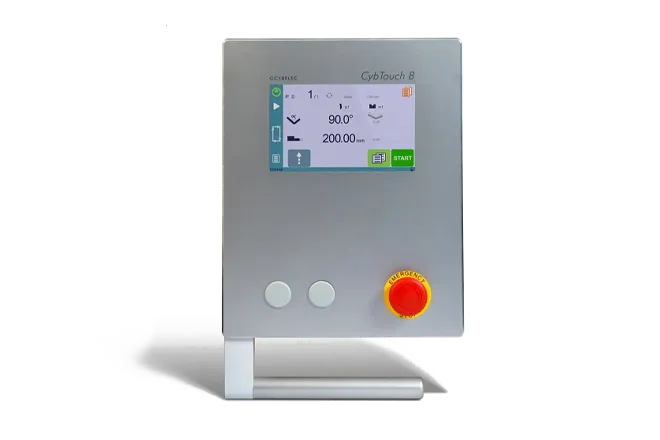
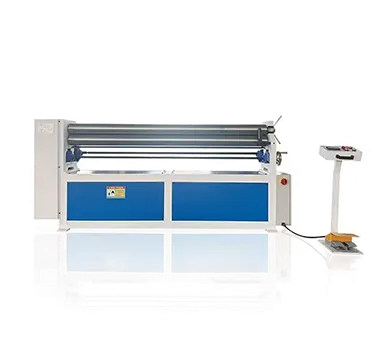
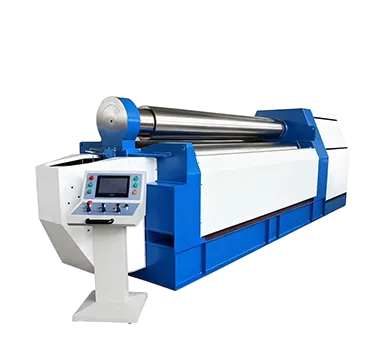
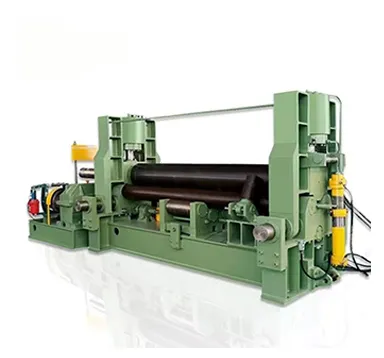
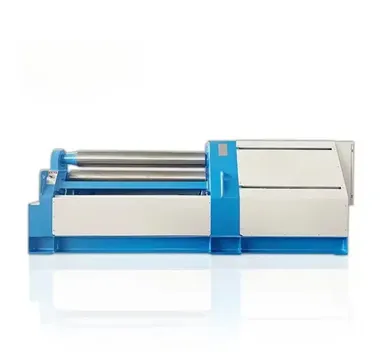
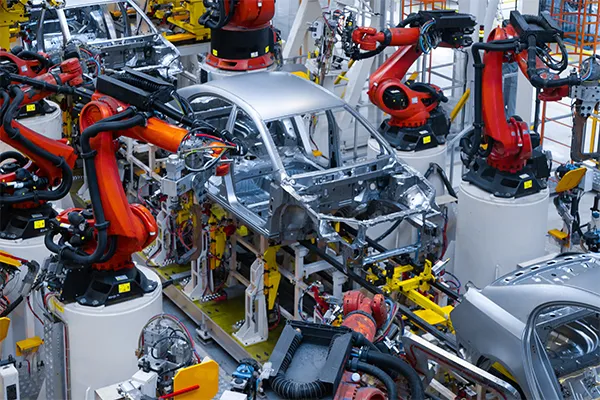

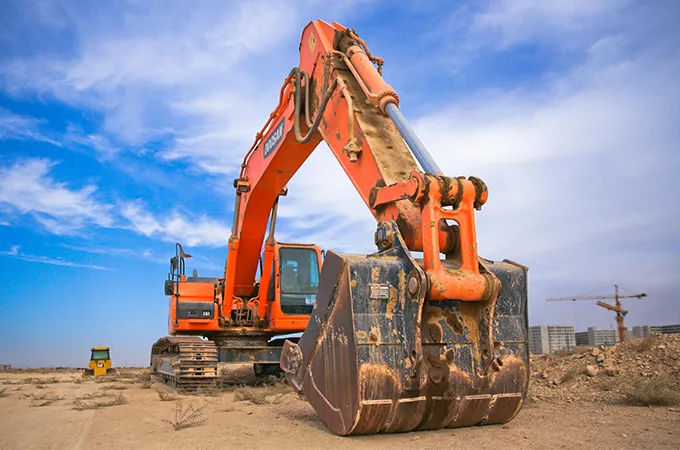
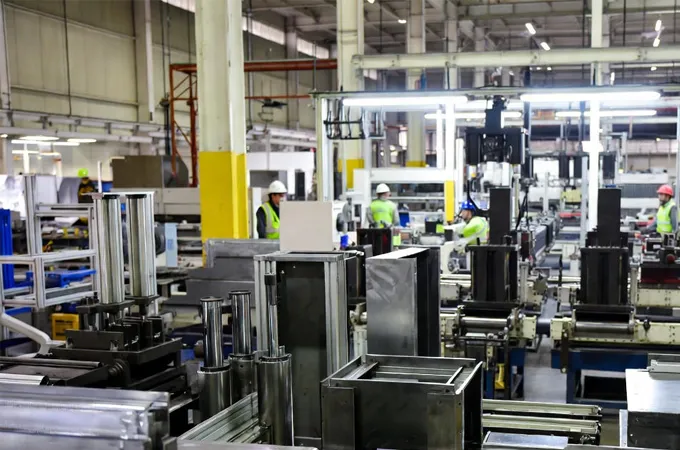
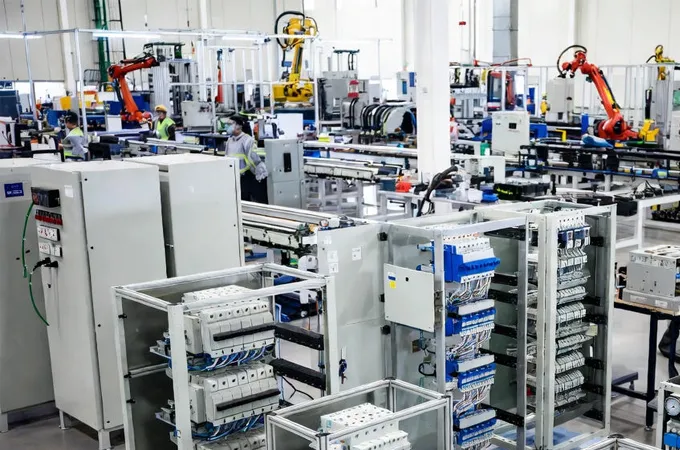
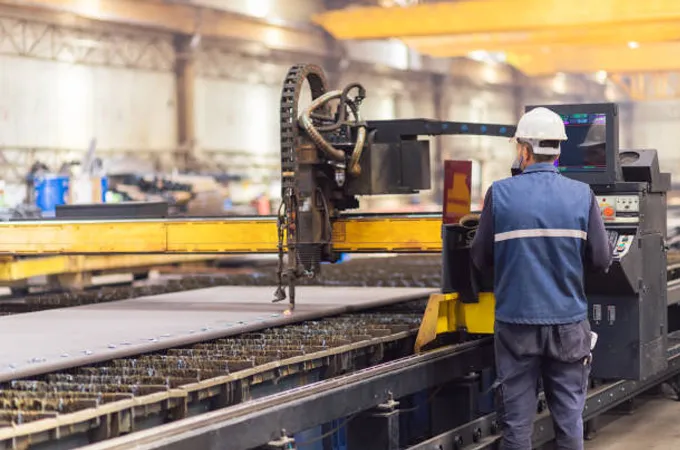

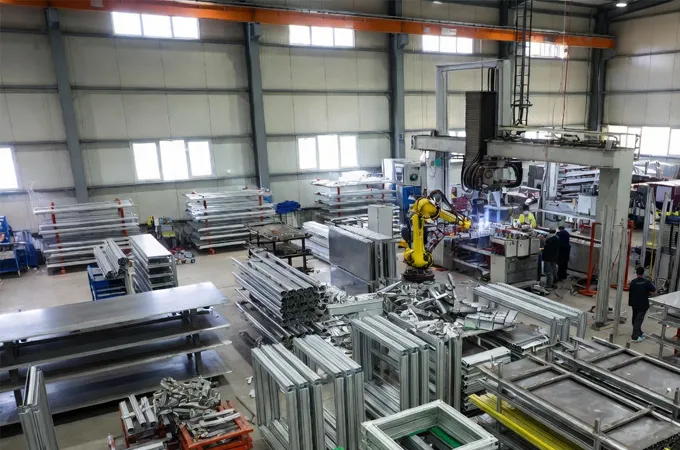

Automatic plate rolling machine for metal bending, forming cylindrical/conical workpieces, ideal for machinery and automotive manufacturing.
Feeding:
A flat metal plate is fed between multiple rollers (typically three or four).
Bending:
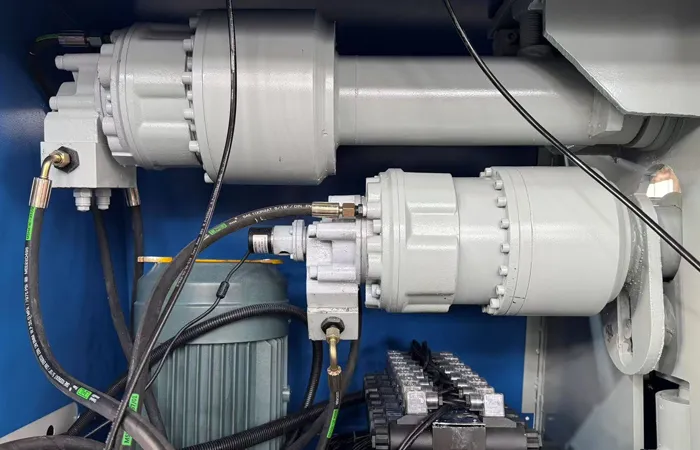
The rollers, often hydraulically powered, apply pressure and adjust their positions to gradually bend the plate.
Forming:
The metal undergoes plastic deformation, permanently changing shape into the desired radius or curvature.
Plate rolling is critical for manufacturing large-scale storage tanks, pressure vessels, and boilers used in the oil and gas sectors. By rolling thick carbon or stainless steel plates into perfect cylinders, these machines ensure leak-proof integrity and structural strength for high-pressure environments.
The renewable energy sector relies on heavy-duty plate rollers to fabricate the massive conical and cylindrical sections of wind turbine towers. These machines process high-tensile steel to create uniform tower segments that can withstand immense environmental stress while maintaining precise aerodynamic tolerances.
In shipbuilding, plate rolling machines are used to form the complex curved sections of ship hulls, bulkheads, and deck structures. The machine's precision allows for the creation of smooth, hydrodynamic curves in thick marine-grade steel, which is essential for vessel performance and durability.
Architects and engineers use plate rollers to create curved structural beams, decorative facades, and circular columns. This application is common in modern infrastructure projects like bridges, stadiums, and tunnels, where aesthetic curves must meet strict load-bearing requirements.